By Susanna Bartolomei, Broker Associate, Compass Real Estate
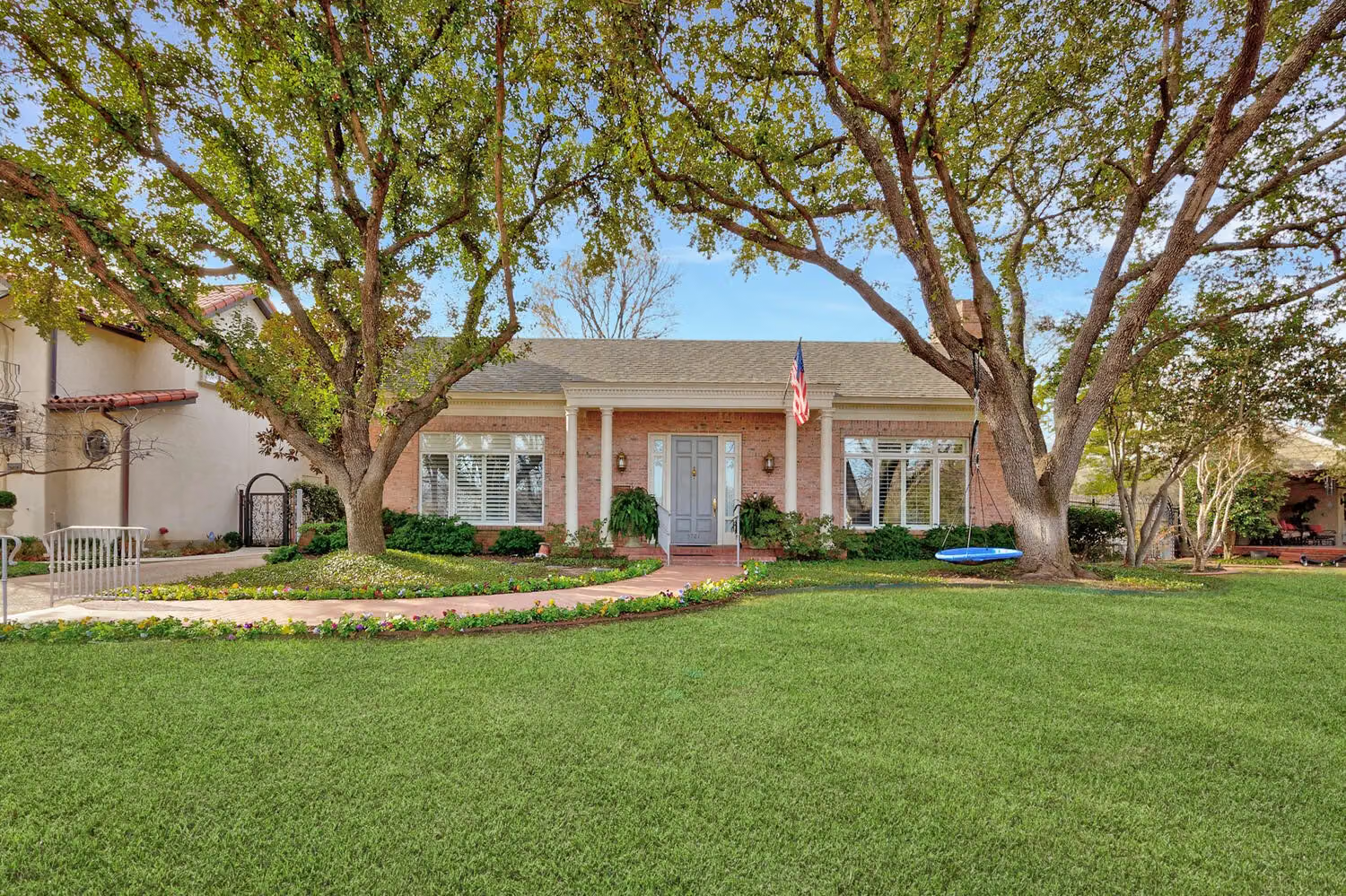
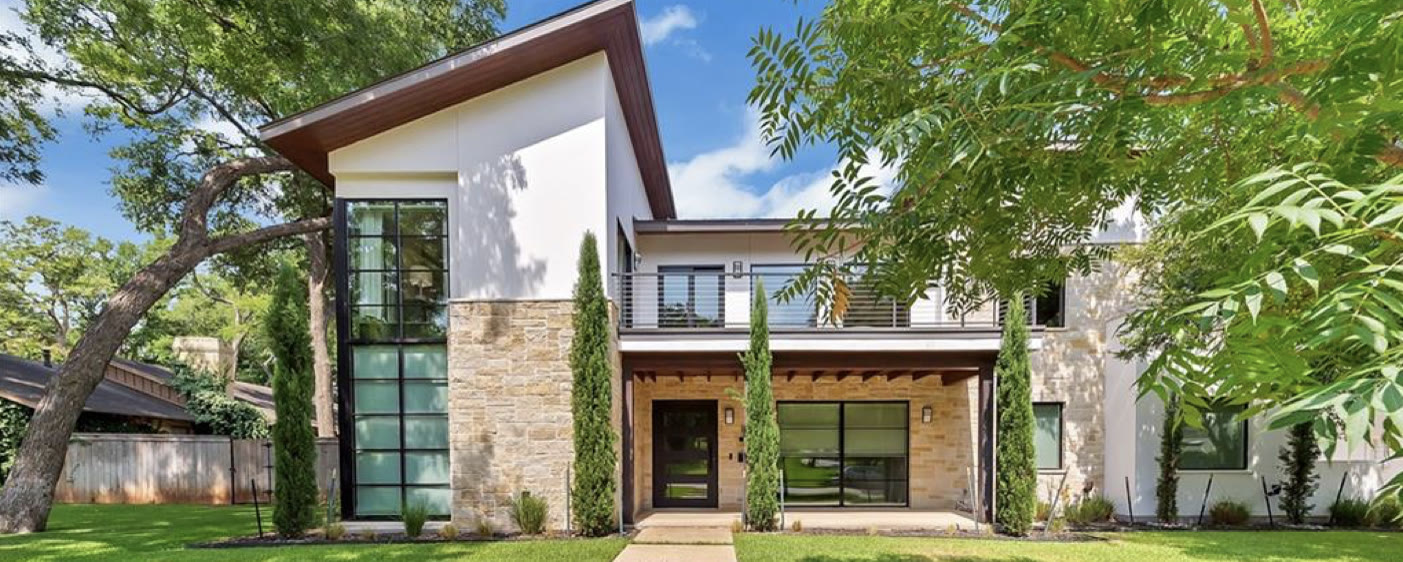
In Westover Hills, an architecture enthusiast can develop a wandering eye. A rich red-brick Tudor gives way to a pristine Spanish Colonial house in white stucco, followed by a modern residence that can be found on the pages of a design textbook. Mature trees, generous grounds, and winding streets make the setting as compelling as the houses.
The appeal is partly that sense of separation. Westover Hills feels residential and private, while Fort Worth's museums, restaurants, shopping, and downtown remain conveniently close. You can spend an evening in the Cultural District and come home to a setting that feels removed from the activity.
As a fifth-generation Fort Worth native and Broker Associate with a background in art and architectural history, I have a particular affection for places where the architecture rewards attention. I brake for Tudors, and Westover Hills gives me plenty of reasons to slow down. Understanding its homes means looking at their history, their setting, and how they work for the people who live in them today.
- Location: A separate incorporated town in Tarrant County, surrounded by familiar west Fort Worth destinations.
- Character: Established landscaping, substantial homes, and a residential setting with considerable architectural variety.
- History: Developed by the Fort Worth Extension Company, with early plats dating to 1929.
- Architecture: Revival-style estates, significant modern houses, and newer custom construction.
- Ownership considerations: Town permitting and zoning requirements apply, along with any property-specific restrictions or historic designations.
- The market: Lot, architecture, condition, provenance, and renovation quality can matter as much as square footage. Private opportunities are almost always a part of the search.
Westover Hills began as a development of the Fort Worth Extension Company. Its early houses helped establish an architectural identity that remains visible nearly a century later.
Builder A. C. Luther and architect Victor Marr Curtis were among the figures involved in those beginnings. Their best-known collaboration here, Westover Manor, was built in 1929 to 1930 as the development's flagship house and selected as the Fort Worth Star-Telegram's "Home Beautiful."
That was an ambitious introduction. Brick, rough-cut limestone, Tudor chimneys, half-timbered gables, and a distinctive tower roof made the house an advertisement for the possibilities of Westover Hills.
The town developed its own municipal identity as well. Today, buying here means purchasing within a separate town, with its own Town Hall, government, and building approval process.
Westover Hills has never depended on a single architectural style. English revival houses, Spanish influences, classical compositions, and modern design all contribute to its character.
The older estates often reward attention to materials and craftsmanship. Stonework, brick patterns, roof forms, windows, and the proportions of an entrance can tell you a great deal about the original design.
Westover Manor offers one particularly expressive example. Its Norman-Jacobethan Revival architecture makes no attempt to disappear into the background. The Texas Historical Commission recognized it as a Recorded Texas Historic Landmark in 1988, and it entered the National Register of Historic Places that same year.
Other houses take a quieter approach. A well-proportioned façade or a carefully placed courtyard can be every bit as persuasive as a tower. Part of the pleasure is discovering how differently architects have responded to the town's sites and landscape.
The architectural story becomes especially interesting when modernism enters the conversation.
I. M. Pei's Westover House brings an internationally significant architect's work into this residential setting. Paul Rudolph's Bass Residence, commissioned in 1970, offers another important chapter through its layered spaces and dramatic horizontal forms.
A. Quincy Jones also designed a residence in Westover Hills, taking advantage of a terraced hillside. That relationship between building and land is worth noticing throughout the town, whether a house is resolutely modern or rooted in a historical style.
These are private homes, but their presence helps explain why Westover Hills matters within Fort Worth's architectural history. The town's character includes both the picturesque and the experimental.
For buyers, an architect's name is a useful beginning. The next questions concern what survives of the original design, how the house has been maintained, and whether later changes strengthen the architecture.
In Westover Hills, the land is often central to the purchase. Trees, topography, gardens, terraces, and the distance between houses can shape the experience as much as the rooms inside.
Privacy deserves a closer look than a listing photograph can provide. Consider neighboring sightlines, the placement of outdoor living areas, landscaping, and how the house relates to the street. A substantial lot does not automatically make every part of it secluded.
The same applies to usable space. A hillside can create beautiful views and an interesting architectural setting, while also affecting access, drainage, and maintenance. Walk the grounds as carefully as you tour the house.
A good property makes those relationships feel natural. The garden belongs to the house, the outdoor spaces invite use, and the setting contributes something you would miss elsewhere.
Westover Hills puts familiar west-side favorites within easy reach. Tokyo Cafe and Bella West belong in the regular dinner rotation, while Lucile's functions as an auxiliary kitchen for many nearby households. Having a dependable answer to "What is for dinner?" is an underrated neighborhood amenity. Tommy's Hamburgers serves up some of the best burgers on the Boulevard. Some days call for a beautifully composed meal. Others call for a burger and sufficient napkins.
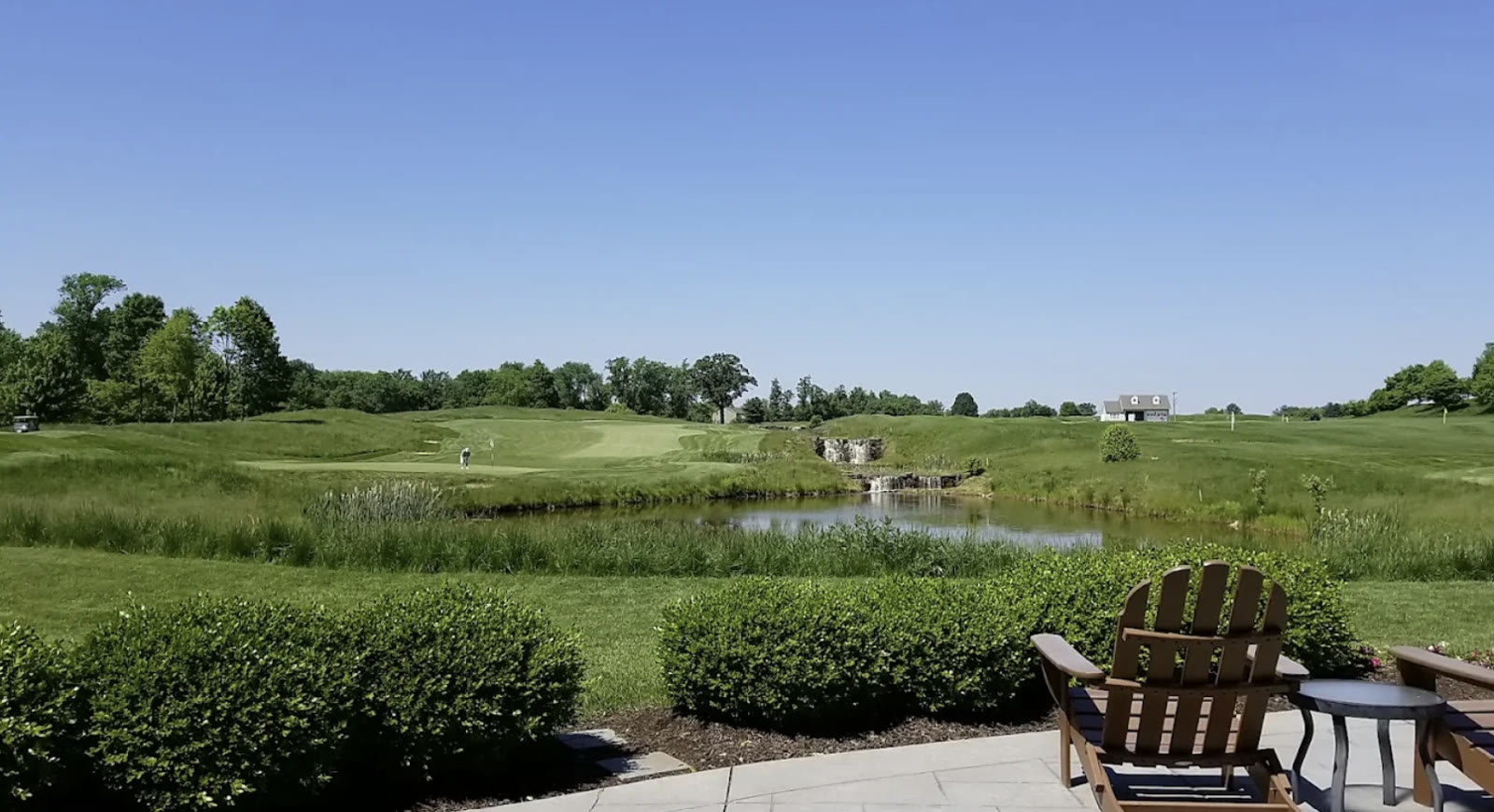
Shady Oaks Country Club and River Crest Country Club are also nearby, adding to the location's appeal for members whose routines include golf, dining, and time with friends. Membership and access are separate from homeownership.
Camp Bowie's shops and services keep errands convenient, while the Cultural District puts museums and evening plans close to home. The pleasure is having those options nearby, then returning to the privacy and greenery of Westover Hills.
Westover Hills has its own permitting and zoning requirements. Before planning an addition, replacement home, pool, fence, or substantial exterior project, consult the Town about the approvals and documents required.
Lot dimensions, building lines, setbacks, materials, drainage, and proposed uses can influence what is possible. Recorded restrictions and existing approvals may also matter. Establish those details before investing heavily in plans.
Historic designation is a separate consideration. Recorded Texas Historic Landmark status and National Register listing have different implications, and neither should be treated as interchangeable with municipal approval.
For a designated property, confirm the applicable review and notification requirements with the relevant agency. An experienced architect or preservation specialist can help connect the requirements with a practical design.
The useful question is how to make the project work well for the house, the site, and the governing requirements.
An older estate can offer exceptional materials, craftsmanship, and a sense of permanence. It can also contain several generations of renovations, equipment, and repair decisions.
Review the history of the work alongside the inspection findings. Roofing, flashing, masonry, foundations, drainage, plumbing, electrical systems, and HVAC equipment deserve attention. Pools, retaining walls, detached structures, and extensive grounds add their own responsibilities.
Specialist inspections can be particularly useful when the property includes unusual construction or original architectural features. Repairing a distinctive window or roof may require a different approach from replacing a standard component.
Look for evidence of consistent care. Beautiful finishes are welcome, but maintenance records and thoughtful work often tell a more useful story.
A single market figure can obscure more than it explains here. A revival-era estate, a significant modern house, and a newer custom residence may attract different buyers and require different comparisons.
Lot, location, architectural pedigree, condition, and renovation quality all influence value. Square footage matters, but it cannot explain the entire purchase.
Public market reports may also rely on small sales samples, and private transactions may not be fully reflected. Recent comparable sales, competing inventory, and knowledge of local activity provide more useful context for an individual home.
The cost of ownership belongs in the discussion. Grounds, pools, specialty materials, and larger systems can require substantial upkeep. Estimate property taxes and insurance for your circumstances, and build a maintenance plan around the property's actual needs.
Westover Hills may appeal to buyers seeking privacy, established landscaping, architectural distinction, and convenient access to Fort Worth.
Some will be drawn to a historic estate. Others will prefer a modern house or newer construction. You do not need to share a single architectural taste to appreciate the setting.
The right choice should work beyond the first impression. Consider the layout, the grounds, the level of upkeep, and any plans you have for changing the property. A remarkable house is most enjoyable when it supports the way you want to live.
Architecturally distinctive homes benefit from representation that understands both their appeal and their practical considerations.
My background in art and architectural history, together with five generations of Fort Worth roots, shapes how I help buyers evaluate a property and sellers explain what makes theirs significant. That includes candid advice about condition, renovations, pricing, and the questions that deserve specialist attention.
Some opportunities circulate privately before public marketing begins. Local relationships can help buyers learn about those possibilities and help sellers consider the approach that suits their goals.
If you are considering buying or selling in Westover Hills, schedule a consultation.