Love Letters to Fort Worth
What Love Letters to Fort Worth Is
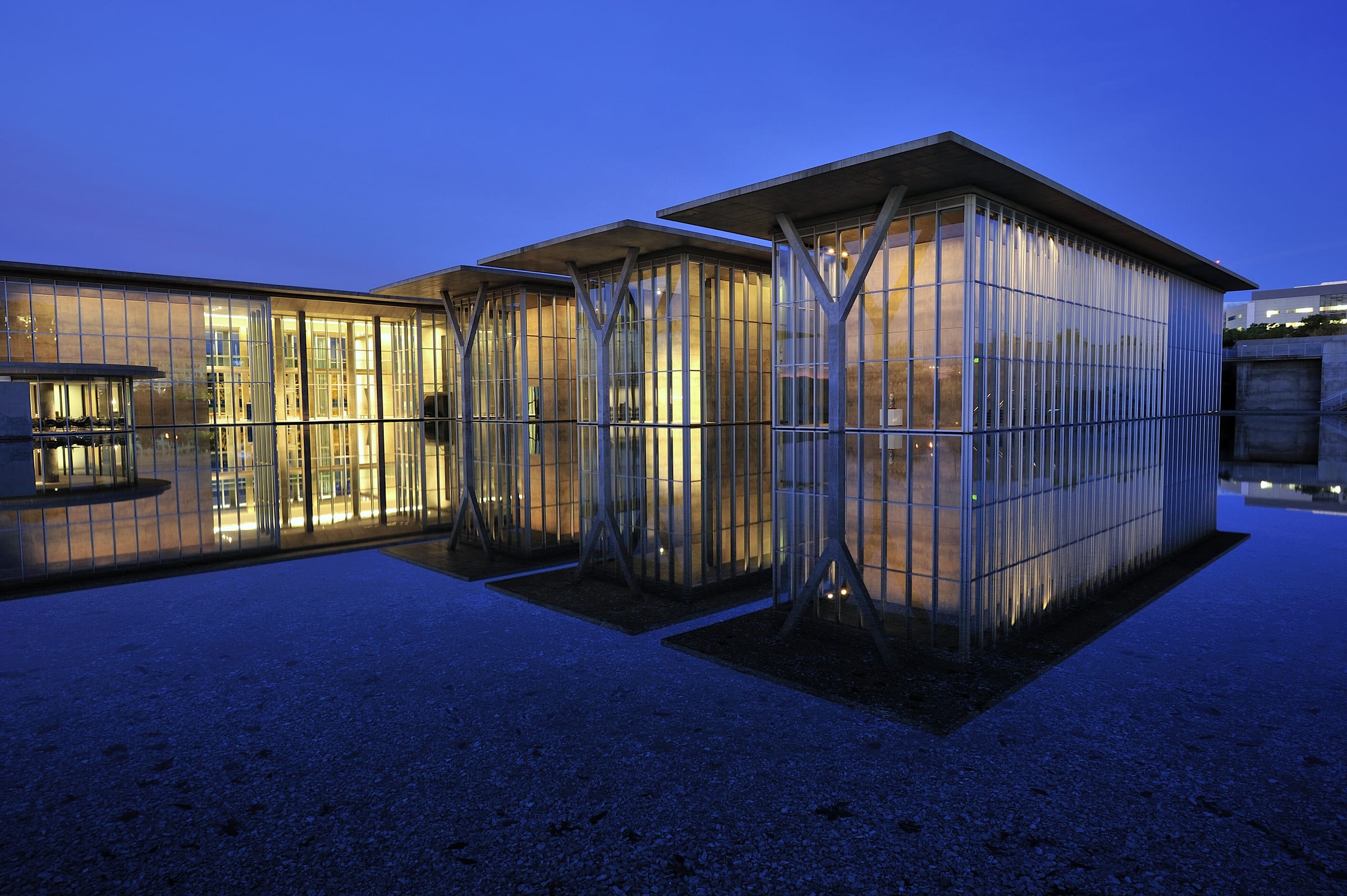
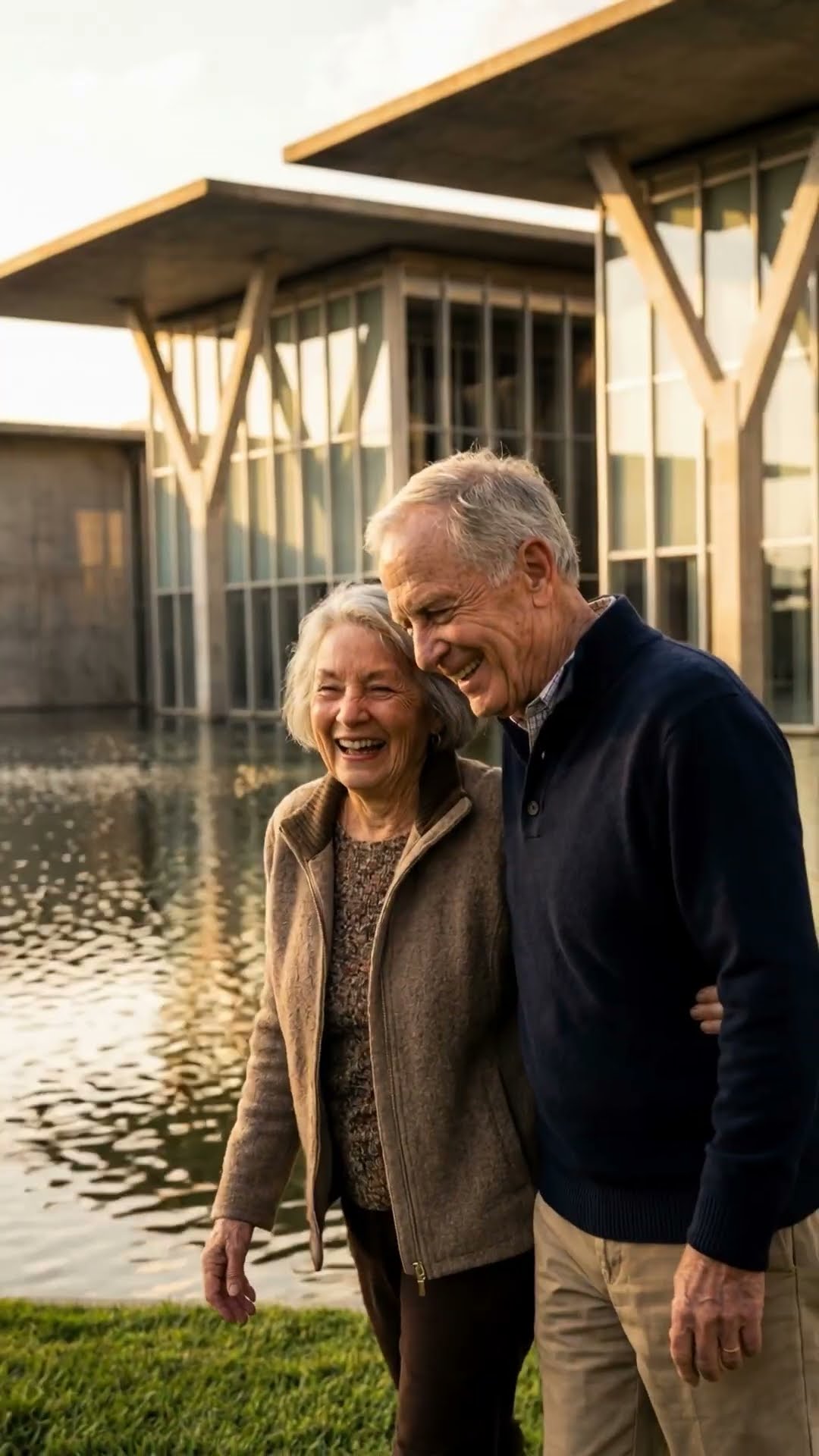
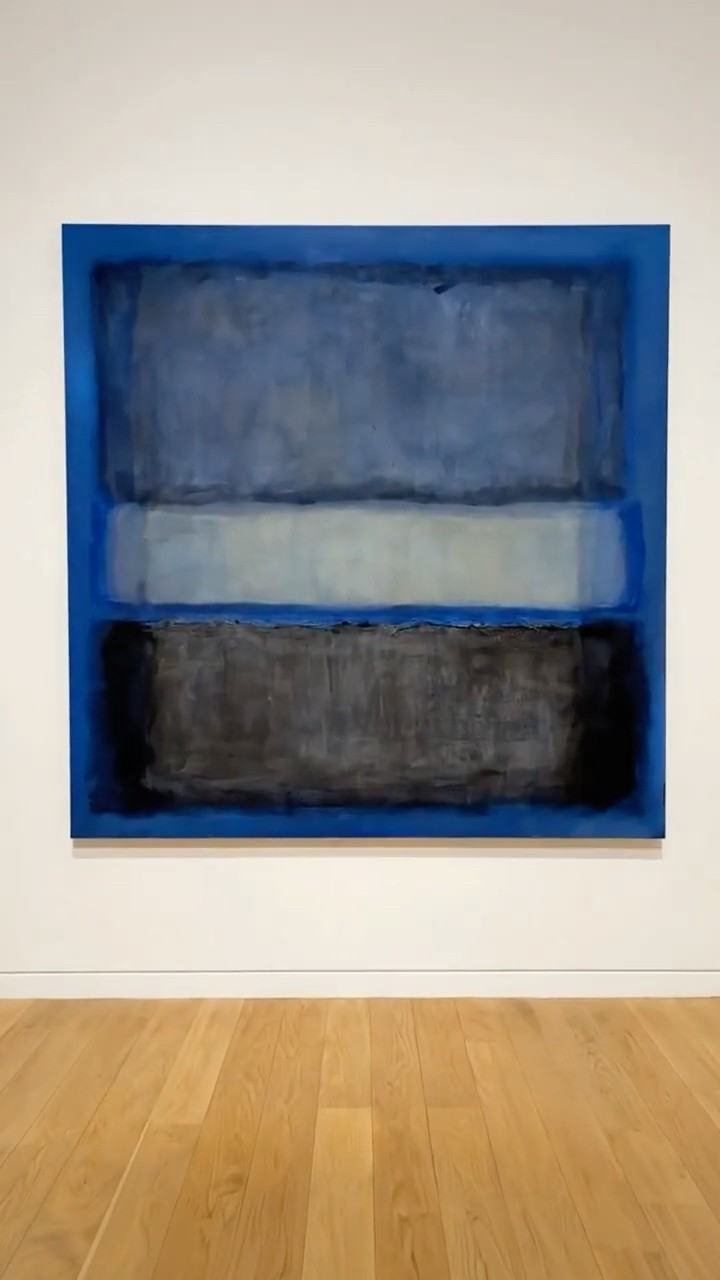
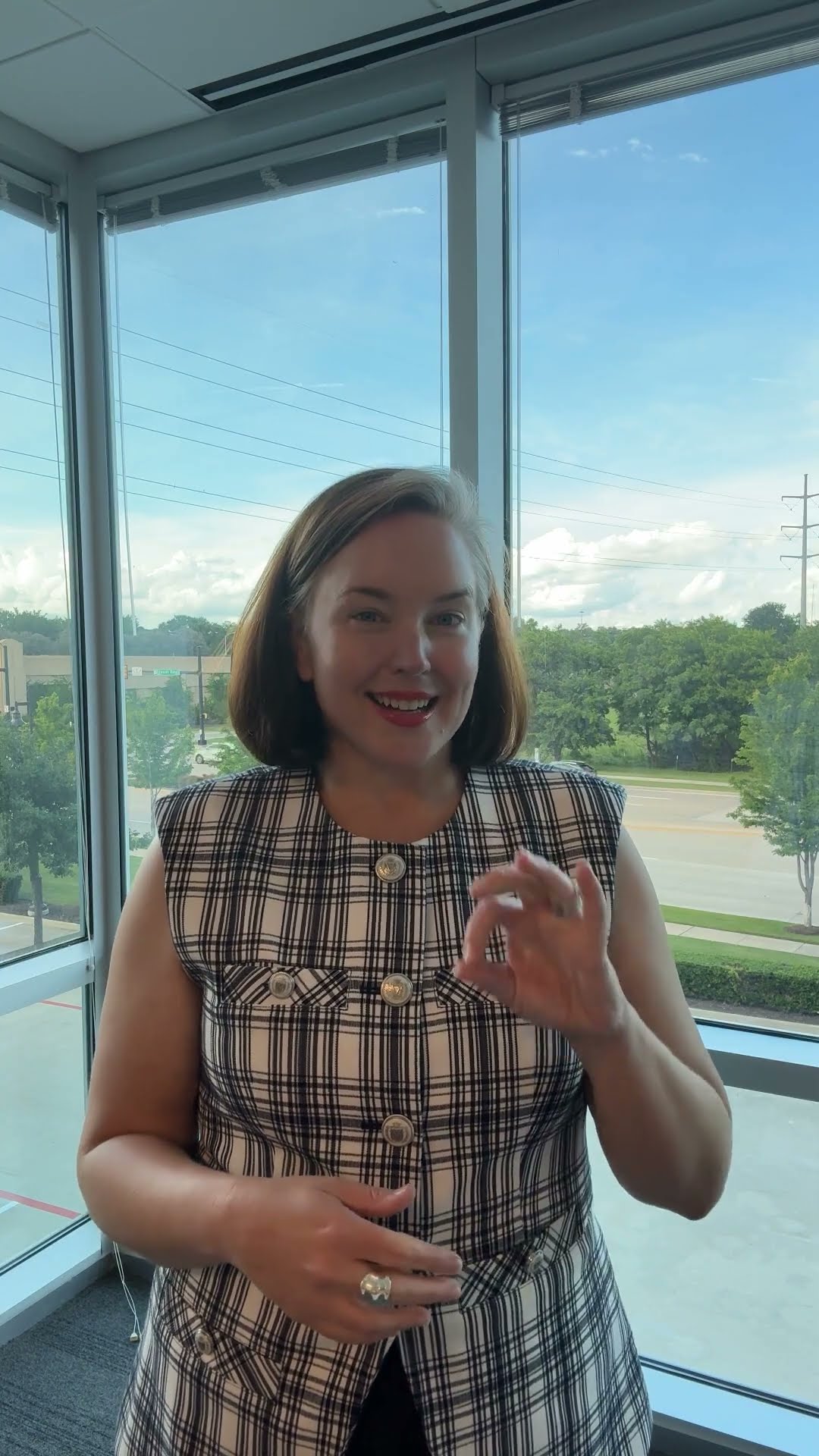
Love Letter to Fort Worth is a series of short videos by Susanna Bartolomei, a Broker Associate at Compass, about the places she thinks explain the city: its museums and the architects who built them, its history, its parks and rivers, and the small local businesses that make a neighborhood feel like home.
She started the series on Instagram and now publishes it on her YouTube channel. Her degrees are in the history of art and architecture, from Middlebury College and The University of Texas at Austin, so the letters tend to look closely at buildings: who designed them, why they look the way they do, and what they say about the city that commissioned them.
The series has a practical side too. People moving to Fort Worth usually know the Stockyards and little else. These letters are the longer introduction she gives clients in person.
The Letters So Far
New letters are added as they are published. Each one is a few minutes long.
Art and Architecture


History
Outdoors


A Short History of Fort Worth, Told Through Its Buildings
Fort Worth is easier to understand once you know the order it was built in. Each era left a district, and most of them are still standing.
An Army Post on the Bluff, 1849
Fort Worth began as a U.S. Army post on the bluff above the Trinity River. Major Ripley Arnold established it in 1849 and named it for General William Jenkins Worth, who had died that spring. The Army left in 1853, settlers moved into the empty buildings, and the town was incorporated in 1873.
Cowtown and Hell's Half Acre, 1867 to 1917
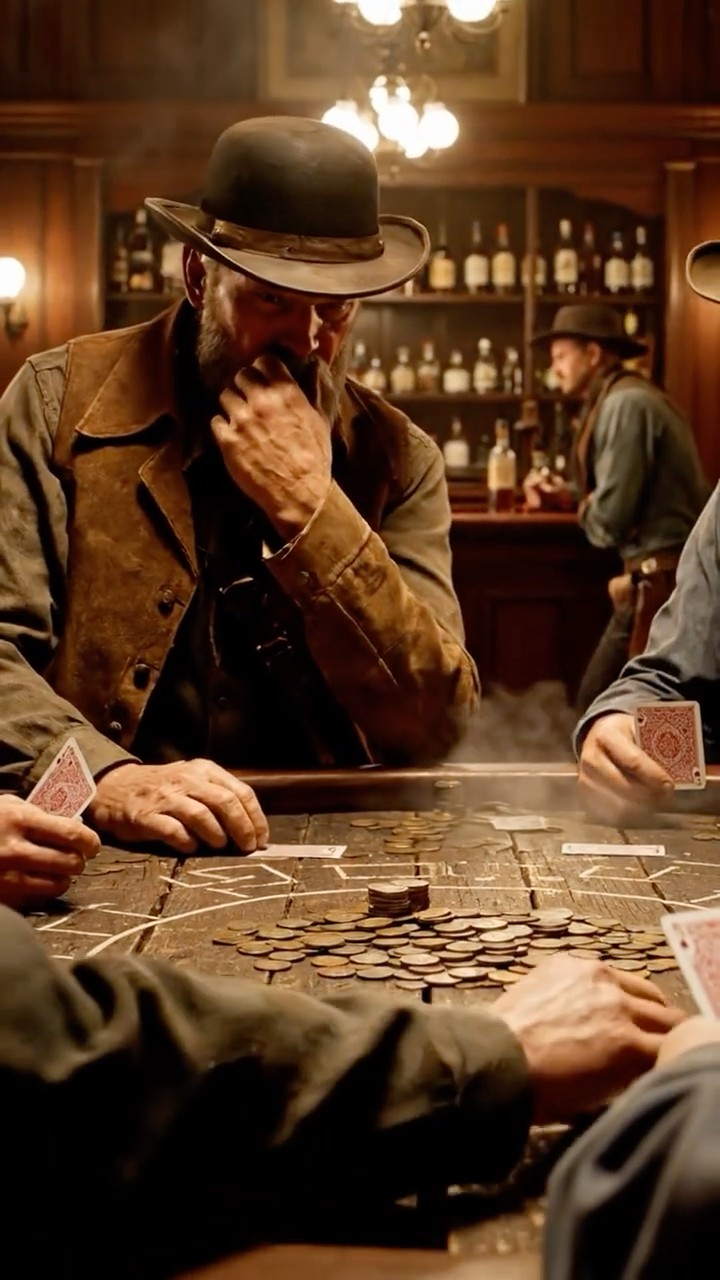
The cattle drives that came up the trail through Fort Worth from 1867 into the early 1880s gave the city its nickname, Cowtown. The Texas and Pacific Railway arrived in 1876, and the district between the courthouse and the depot became Hell's Half Acre, the saloon and gambling quarter that drew figures like Luke Short, Bat Masterson, and Butch Cassidy. It was shut down in 1917. The Stockyards followed on the north side, where the Livestock Exchange Building of 1902 and 1903, known as the Wall Street of the West, still stands, and where the Fort Worth Herd still makes the only twice-daily cattle drive in the world.
Oil Money and Amon Carter, 1909 to 1936
The oil discoveries at Breckenridge, Ranger, and Desdemona, west of the city, between 1916 and 1918 made Fort Worth a city of oil fortunes. Amon G. Carter, who merged the Star and the Telegram into the Star-Telegram in 1909, became its great promoter, popularizing the city's description of itself as the place where the West begins. For the Texas Centennial in 1936 he staged the Frontier Centennial, and the Will Rogers Memorial Center, designed by Wyatt C. Hedrick with its tall Art Deco tower, was built for the occasion.
The Cultural District, 1892 to 2013
The Modern Art Museum of Fort Worth traces its charter to 1892, which makes it the oldest museum in Texas. The district around it became one of the most remarkable concentrations of museum architecture in the country: Philip Johnson's Amon Carter Museum of American Art, founded in 1961 under Carter's will; Louis I. Kahn's Kimbell Art Museum, opened in 1972, with its cycloid vaults and its interior lit by daylight; Tadao Ando's new building for the Modern, opened in 2002; and Renzo Piano's pavilion for the Kimbell, opened in 2013.
The Neighborhoods, 1883 to the 1950s
The residential city grew outward in rings. Fairmount, on the near south side, was platted between 1883 and 1907 and is filled with Queen Anne houses, Craftsman bungalows, and foursquares; it was listed on the National Register of Historic Places in 1990. Ryan Place followed in 1911, laid out by John C. Ryan after he toured American cities for ideas, and its Elizabeth Boulevard became the city's first historic district in 1979. The same year, River Crest Country Club opened with home sites on its grounds.
The 1920s brought the period revival houses that Fort Worth does as well as any city in Texas. Park Hill, laid out in 1925 and 1926 by the Kansas City landscape architects Hare and Hare on curving streets that follow the land, and Monticello, developed from 1928 with a Hare and Hare plan of its own, are full of Tudor Revival and other period houses, many by architects such as Joseph R. Pelich and Wiley G. Clarkson. Westover Hills grew around Westover Manor, a Norman and Jacobethan revival house built in 1929 and 1930, and incorporated as its own town in 1939. In the 1950s, Tanglewood and the neighborhoods around it filled with brick and stone ranch houses.
Fort Worth Landmarks Every Newcomer Should Know
A short list of Fort Worth places worth knowing, each with the fact that makes it worth a visit.
Thistle Hill, 1509 Pennsylvania Avenue
A 1903 Georgian Revival house by Sanguinet and Staats, built for Electra Waggoner Wharton, and in 1976 the first building the city named a Historic and Cultural Landmark.
Fort Worth Botanic Garden
The oldest botanic garden in Texas, with a rose garden by Hare and Hare dedicated in 1933.
Fort Worth Water Gardens
Philip Johnson and John Burgee's terraced concrete fountains downtown, dedicated in 1974.
Paris Coffee Shop, Magnolia Avenue
A Fort Worth breakfast institution since 1926.
Joe T. Garcia's
Opened in 1935 in part of the Garcia family's home, with 16 seats, and still run by the family.
The Cliburn
The international piano competition named for Van Cliburn, held in Fort Worth since 1962.
Questions About Fort Worth
What is Love Letters to Fort Worth?
Where can I watch the series?
Why is Fort Worth called Cowtown?
Who designed the museums in the Fort Worth Cultural District?
Which Fort Worth neighborhoods are historic districts?
Can I suggest a place for a future letter?
Love Letter to Fort Worth is a video series by Susanna Bartolomei, a fifth-generation Fort Worth resident, art historian, and Broker Associate at Compass. Each short episode looks at one place that helps explain the city, from Tadao Ando's Modern Art Museum to Hell's Half Acre and the Trinity Trails.
On Susanna's YouTube channel, Susanna Gorski Bartolomei, Real Estate and Culture, at youtube.com/@SusannaFortWorth, and on her Instagram at @susannafortworth. Every episode is also collected on this page.
Because of the cattle drives. From 1867 into the early 1880s, herds headed north on the trail passed through Fort Worth, and the city later became home to the Stockyards and its meatpacking plants. The Fort Worth Herd still runs a cattle drive down East Exchange Avenue twice a day.
Four of the best-known architects of the last century. Philip Johnson designed the Amon Carter Museum of American Art, which opened in 1961. Louis I. Kahn designed the Kimbell Art Museum, which opened in 1972, and Renzo Piano added its pavilion in 2013. Tadao Ando designed the Modern Art Museum of Fort Worth's building, which opened in 2002.
Fairmount is listed on the National Register of Historic Places and is a city historic district. Elizabeth Boulevard in Ryan Place was the city's first historic district, designated in 1979, and Mistletoe Heights was designated in 2002. Susanna's neighborhood guides explain what designation means for owners.
Yes. If there is a landmark, neighborhood, work of art, or local story you would like to see featured, email sgb@compass.com.
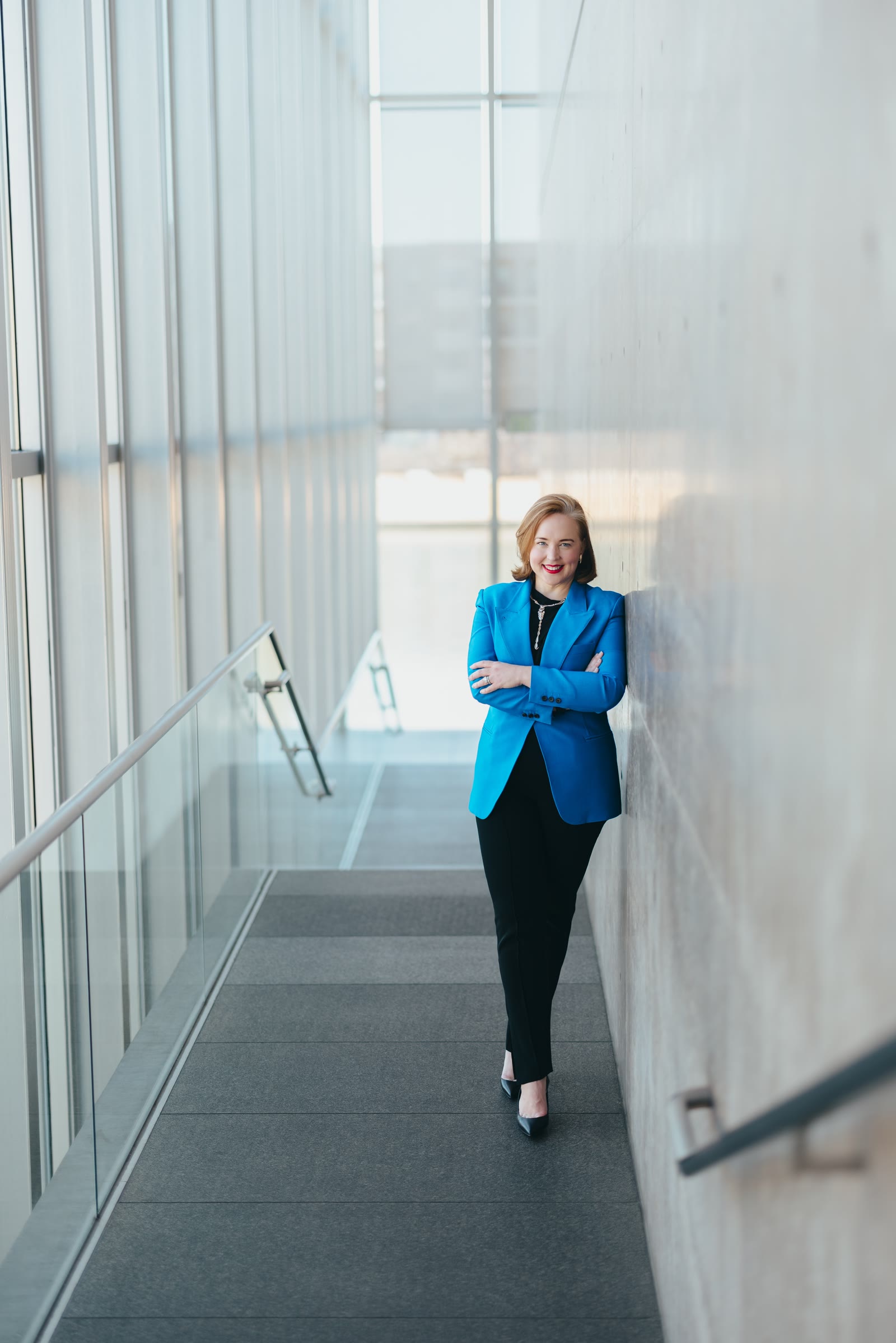
Thinking About Fort Worth?
If these letters have you thinking about a move, Susanna is happy to give you the in-person version, along with an honest read on what each neighborhood is doing. Call (817) 602-5465 or email sgb@compass.com. For more of the city as you may already know it from television, take the Landman Tour.
Agent
Susanna Gorski Bartolomei
Title
Broker Associate, Compass
Phone
(817) 602-5465Office
5049 Edwards Ranch Road, Suite 200, Fort Worth, TX 76109