
Monticello Homes for Sale | The Art of Living in Fort Worth
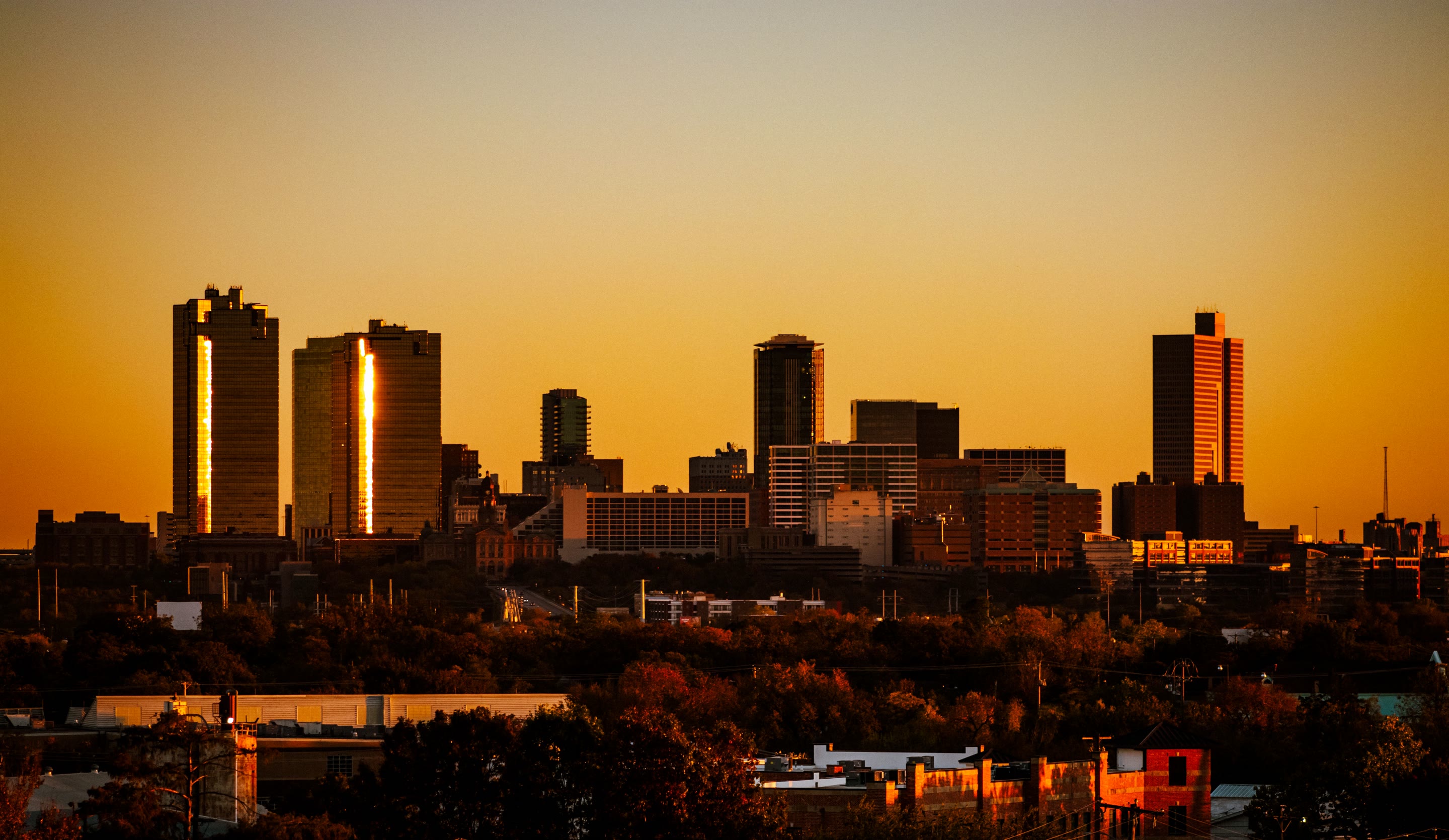
Monticello, Crestwood, and the Cultural District form a distinctive part of central Fort Worth, roughly three miles west of downtown. Monticello is known for its 1920s and 1930s Tudor, Craftsman, Colonial Revival, and Spanish Colonial homes; Crestwood sits on a quiet peninsula wrapped on three sides by the Trinity River, with housing ranging from postwar ranches to contemporary custom homes; and the Cultural District offers condominiums and townhomes within walking distance of Fort Worth's museums, restaurants, and cultural institutions. Together, they offer remarkably different ways to live within the same corner of 76107.


The Art of Living in Monticello, Crestwood, and the Cultural District

Monticello, Crestwood, and the Cultural District sit within minutes of one another, but each tells a distinctly different story about Fort Worth. Monticello grew from the carefully planned residential neighborhoods of the 1920s, with period houses gathered around curving streets and a central park. Crestwood followed the river, developing into a quiet peninsula of mature trees, larger lots, postwar homes, and new construction. And just to the south, the Cultural District became home to an extraordinary collection of civic and museum architecture that has continued to evolve for nearly a century. Together, they offer three very different ways to live and three different chapters in the story of how Fort Worth grew.
Monticello

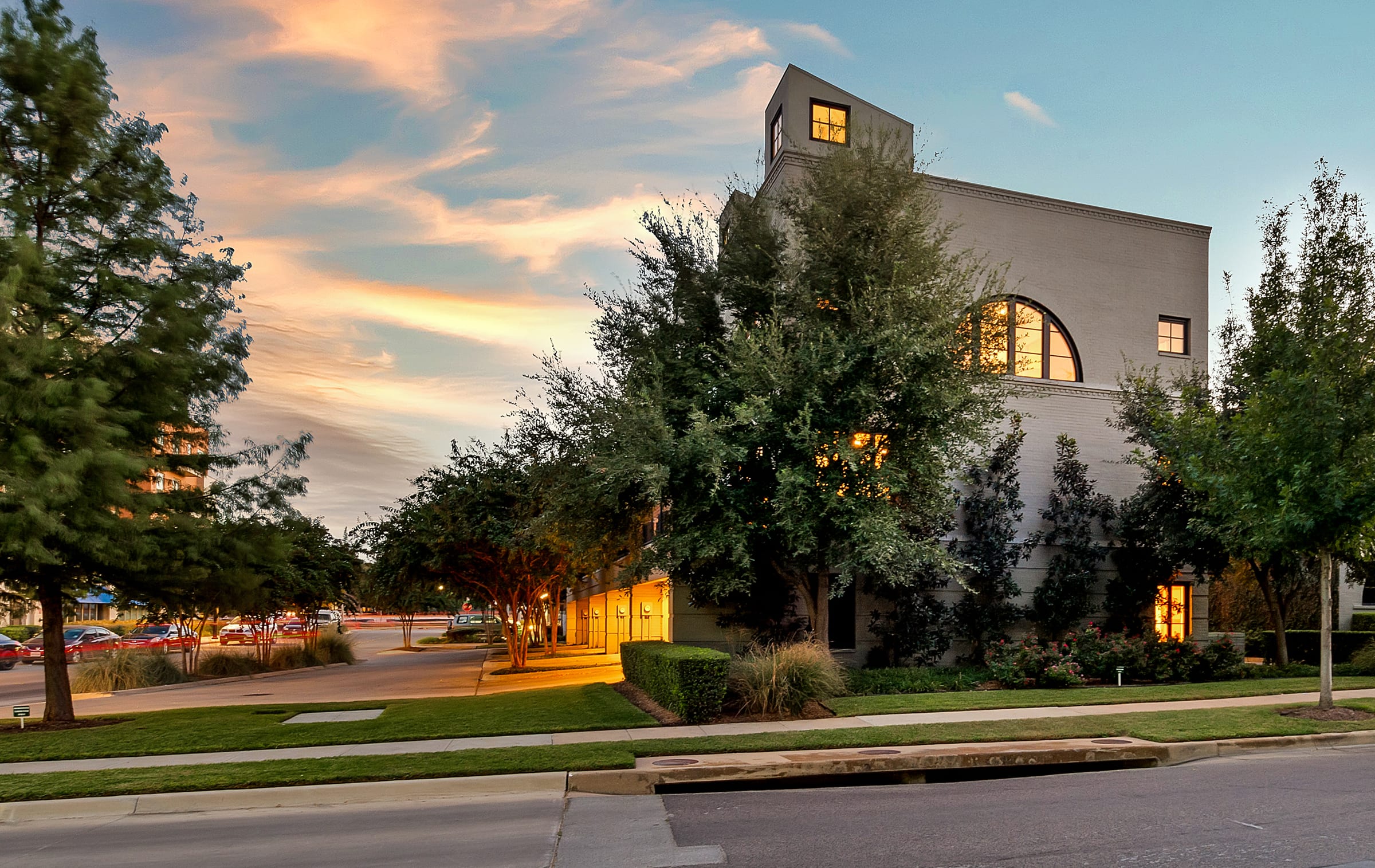
Monticello is one of those Fort Worth neighborhoods that rewards a closer look. At first, you notice the mature trees, the park, and the 1920s and 1930s houses. Then the details begin to emerge: steep Tudor gables and arched entries, deep Craftsman porches, Colonial Revival symmetry, Spanish and Mediterranean-inspired tile roofs, old brick, original windows, and detached garages tucked behind the houses.
The neighborhood itself was carefully considered. Monticello was developed beginning in the 1920s, with the nationally important landscape architecture firm Hare & Hare helping shape the neighborhood around curving streets and a central green space. Rather than imposing a rigid grid, the plan responded to the rolling terrain, something you can still feel as you move through the neighborhood today.
That green space became Monticello Park after the Monticello Land Company gave approximately 4.5 acres to the City of Fort Worth in 1928. The following year, the development received a grant from the Harmon Foundation to help improve the park. Nearly a century later, it remains a neighborhood gathering place and an important piece of the original plan.
For buyers looking at Monticello homes for sale, the variety is part of the appeal, and part of the challenge of determining value. Some houses remain remarkably intact. Others have been expanded or renovated over generations, with varying degrees of success. Square footage tells you only so much here. Original materials, proportion, windows, rooflines, the quality of an addition, the lot, and even the particular block can make two seemingly similar houses very different properties.
Crestwood

Cross White Settlement Road and Crestwood changes the conversation.
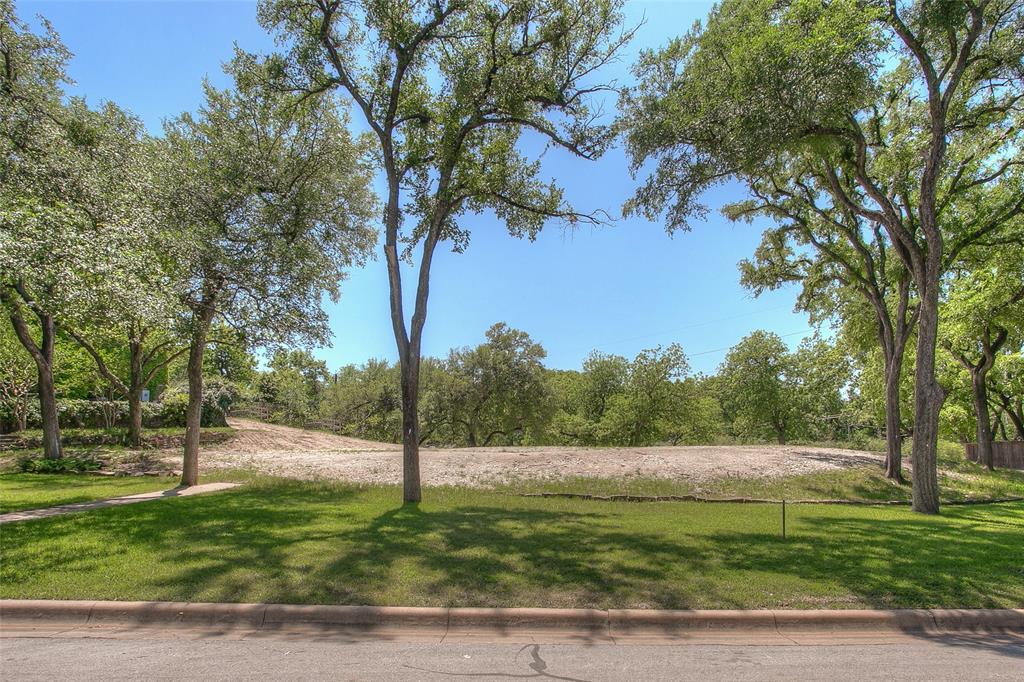
The West Fork of the Trinity River wraps around Crestwood on three sides, giving the neighborhood a sense of quiet that is surprising this close to downtown Fort Worth and the Cultural District. Streets wind beneath mature trees, lots are often larger, and the housing reflects a much broader period of development than Monticello, from earlier and postwar houses to extensive renovations and contemporary custom homes.
The river is also part of life here. Crestwood Park sits along the West Fork, with nearby access to the Trinity Trails and more than 100 miles of trails connecting neighborhoods, parks, downtown Fort Worth, and other parts of the city. It gives Crestwood a relationship with the Trinity that feels quite different from most central Fort Worth neighborhoods.
Crestwood real estate is correspondingly difficult to reduce to an average. Lot size, location within the peninsula, age, renovation quality, new construction, and proximity to the river can all affect value. An original postwar house and a newly constructed custom home may be neighbors, but they are not useful comparables simply because they share a Crestwood address.
The Cultural District

Then, only a few minutes away, the scale changes completely.
Fort Worth's Cultural District has been evolving architecturally for nearly a century. The 1936 Will Rogers Memorial Center came first, with Wyatt C. Hedrick and Elmer G. Withers creating the Art Deco and Moderne complex around Pioneer Tower. Its formal plan and long allées of trees would later influence Louis Kahn as he designed the Kimbell Art Museum nearby.
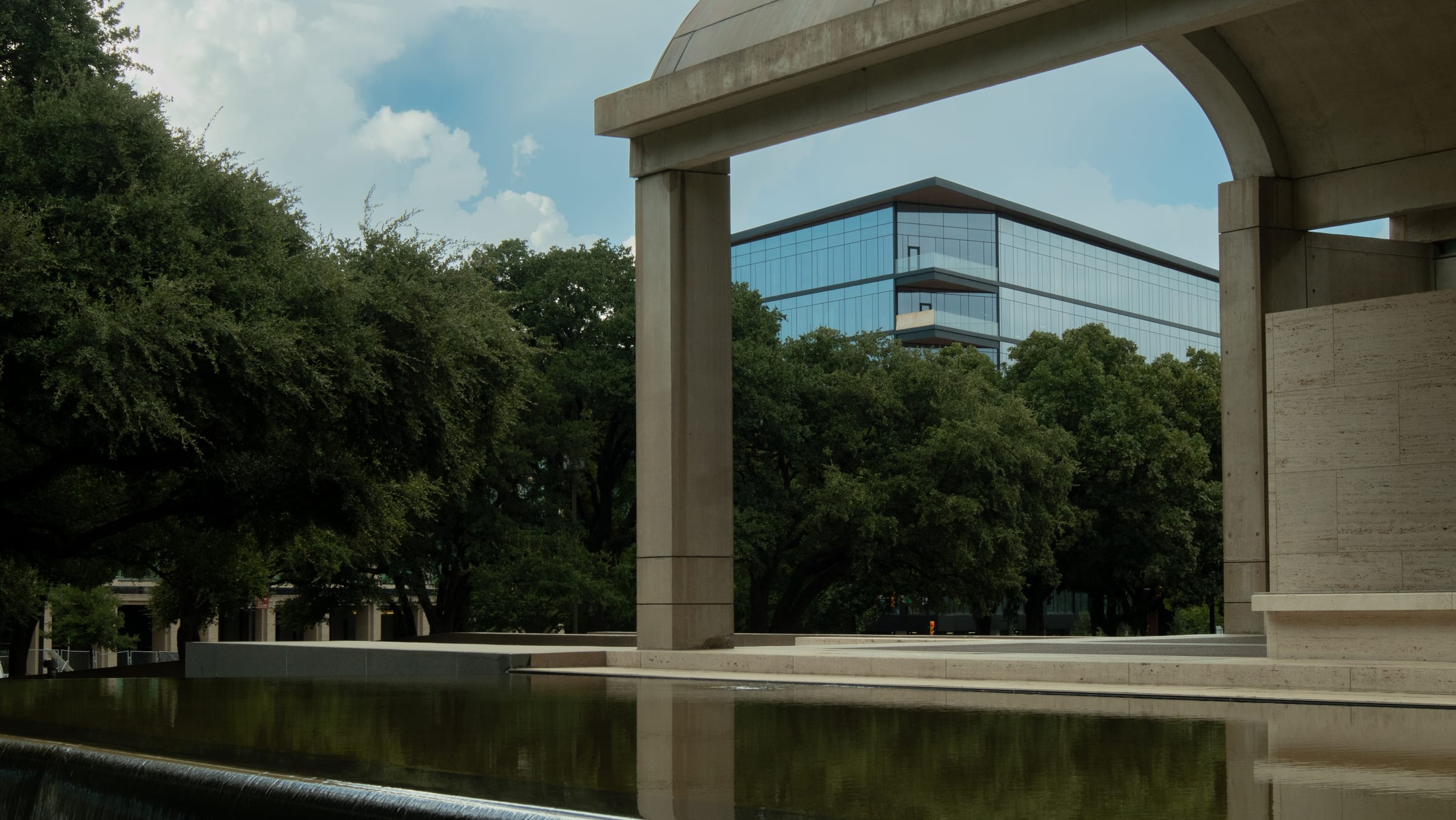
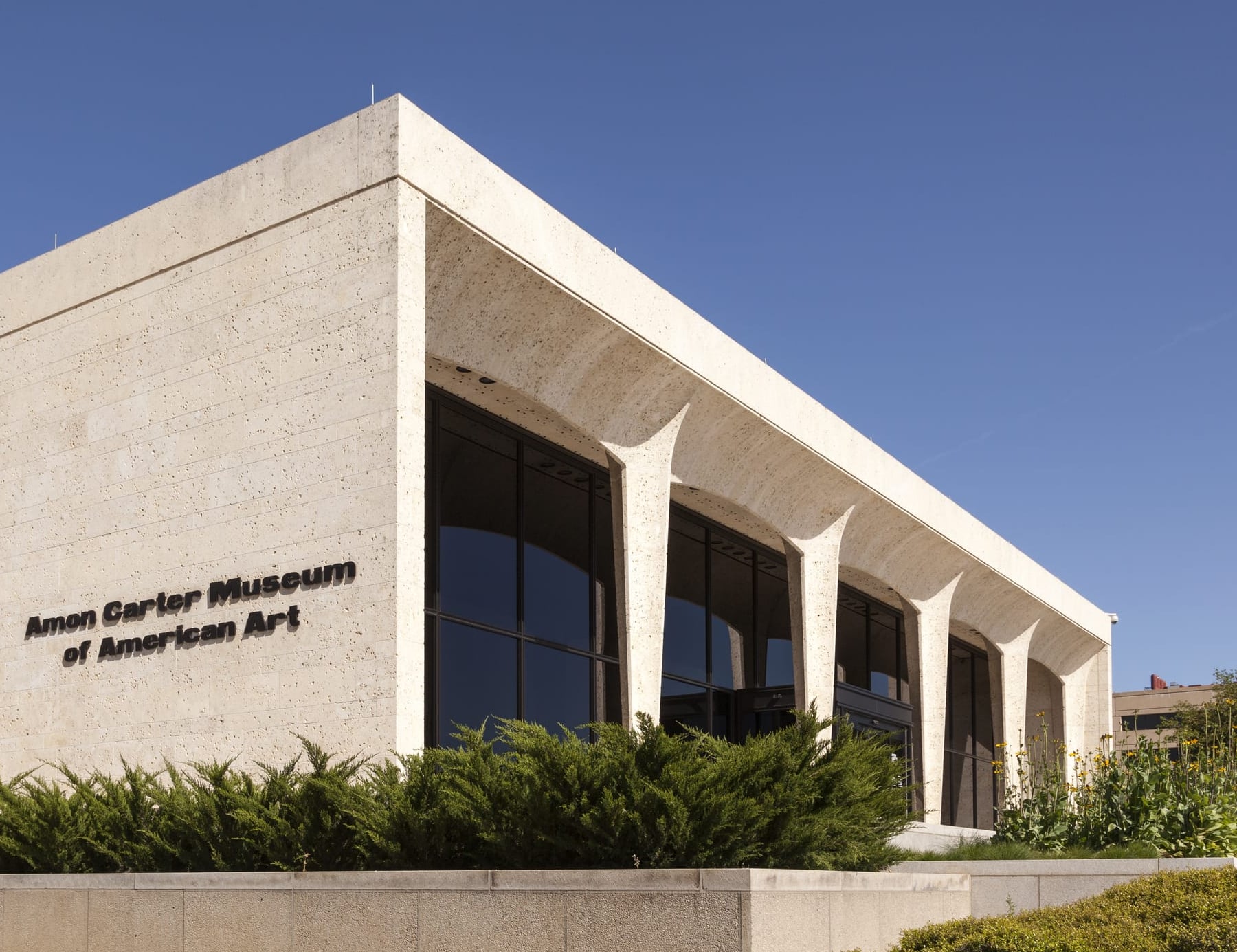
Philip Johnson's original Amon Carter Museum of American Art opened in 1961, sitting high on the hill and facing east toward downtown Fort Worth. Louis Kahn's Kimbell followed in 1972. Its cycloid vaults, travertine, concrete, and extraordinary use of natural light created one of the great museum buildings of the twentieth century, and one of my favorite buildings anywhere.
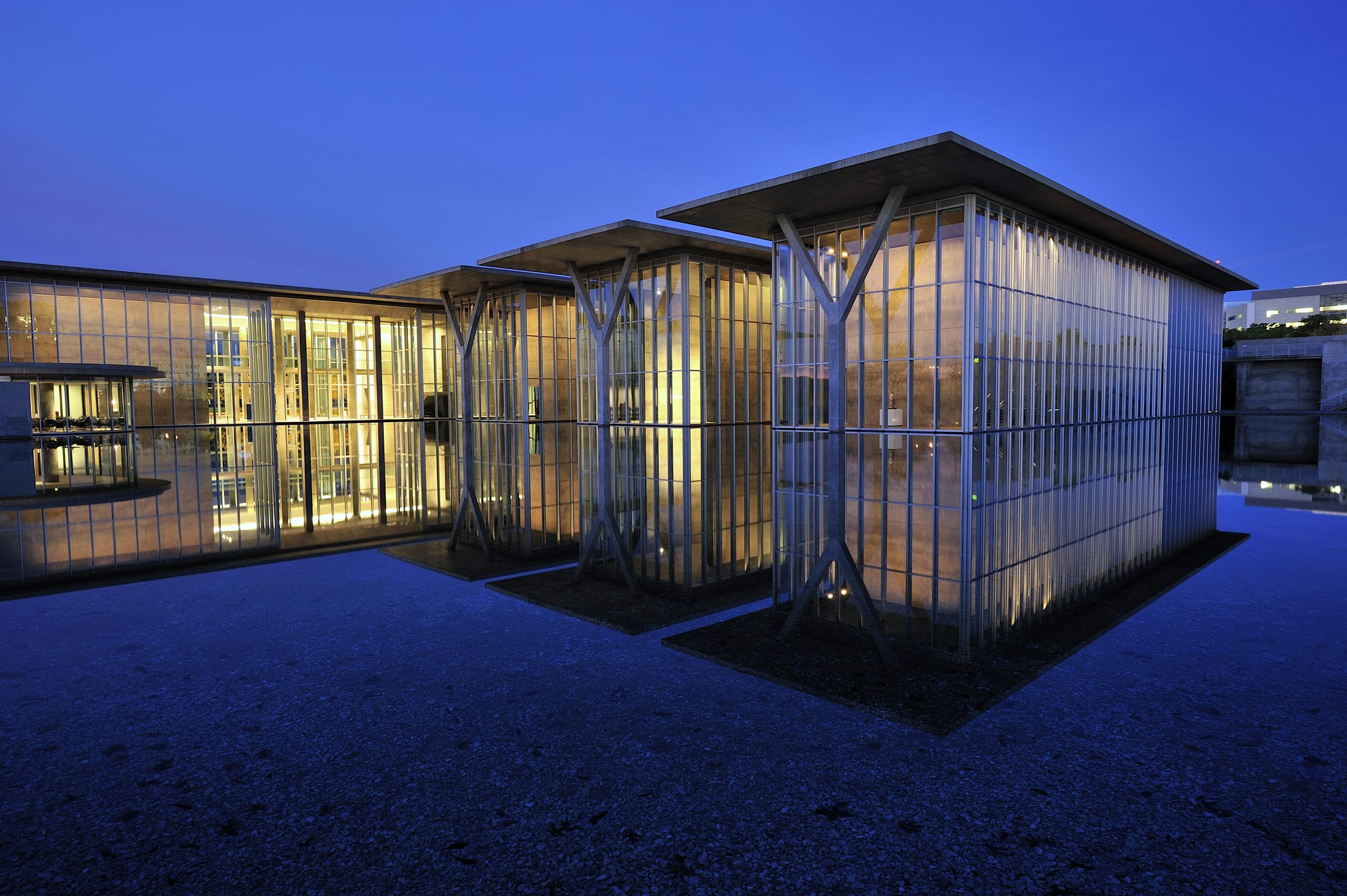
Tadao Ando's Modern Art Museum of Fort Worth opened across the street in 2002. Where Kahn gives us vaults and warm stone, Ando works in concrete, glass, water, and light. Five enormous pavilions seem to float above the reflecting pond, and the building changes constantly with the Texas sky.
Ricardo Legorreta brought yet another architectural language to the Fort Worth Museum of Science and History in 2009: bold geometry, courtyards, texture, and color. Its entrance tower deliberately responds to Pioneer Tower at Will Rogers next door, creating a conversation between buildings constructed more than seventy years apart.
Renzo Piano's pavilion at the Kimbell followed in 2013. Piano did not try to make another Kahn building, thank goodness. Instead, he designed something quieter and more transparent that responds to Kahn through its scale, materials, landscape, and beautiful use of natural light.
That is one of the things I love most about Fort Worth's Cultural District. These are not simply famous buildings collected on the same few blocks. Each generation of architects had to decide how to build next to what was already here. And the district is still deciding, which is why it remains worth walking every few years rather than every few decades.
What That Means for Real Estate
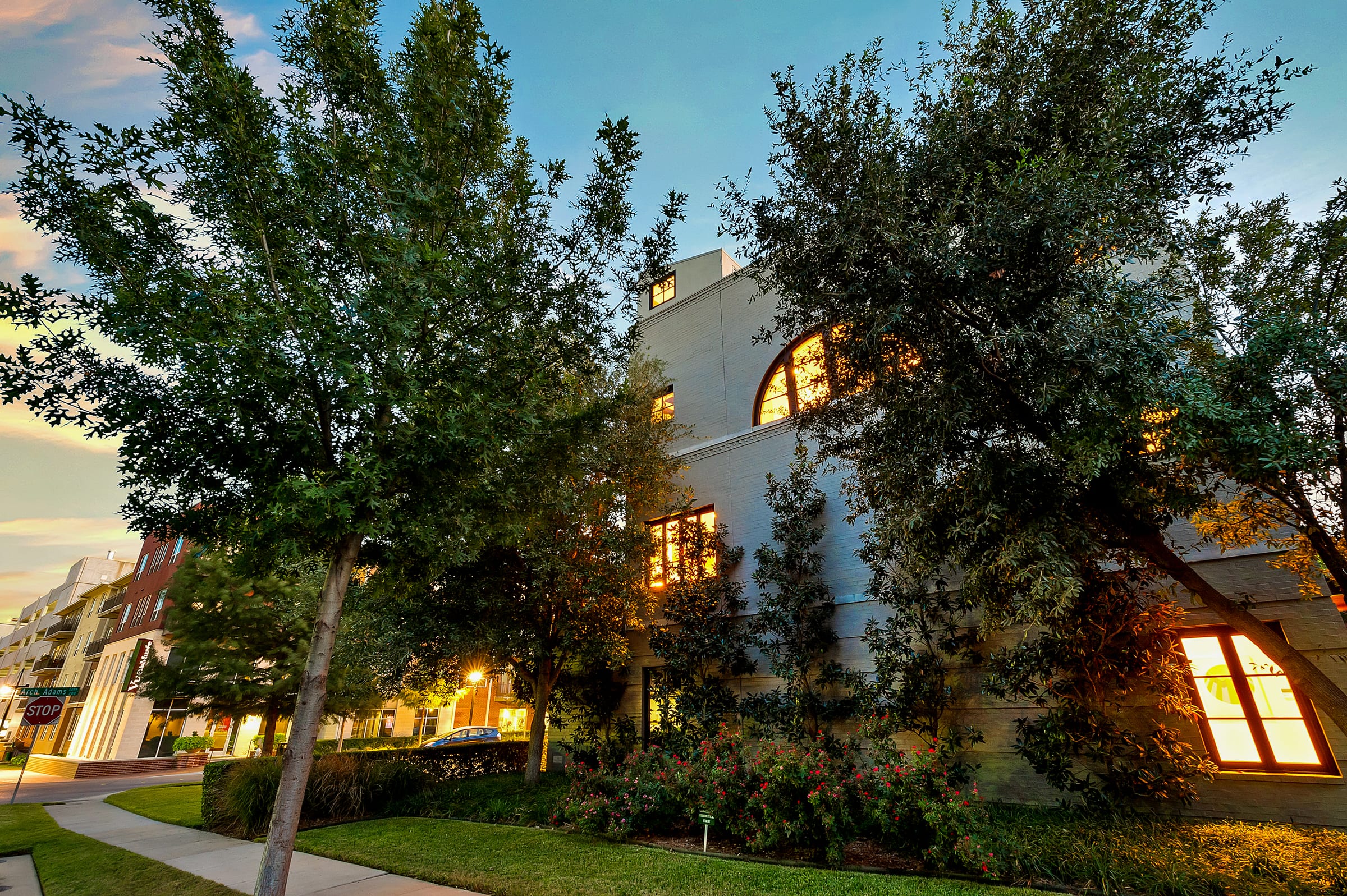
That connection between architecture, setting, and real estate is particularly important here. In Monticello, I want to know what is original, what has changed, and whether those changes made the house better. In Crestwood, I also want to understand the lot, the trees, the relationship to the river, and how the house sits on the land. In the Cultural District's condominiums and townhomes, the questions change again: the individual building, views, amenities, HOA financials, insurance, and location all become part of the equation.
It is also why I do not put too much faith in a single neighborhood-wide price. As of mid-2026, published figures generally placed Monticello home prices in the mid-$600,000s, with median list prices approaching $700,000. Those figures measure different things and provide useful context, but none can tell you what an individual Monticello home is worth. In a relatively small neighborhood with varied housing stock, recent sales of genuinely comparable properties are far more useful.
A 1930s Tudor with beautiful proportions, original windows and millwork, and an addition that respects the architecture is simply not the same asset as a similarly sized house from the same decade where much of that character has been removed. Abundant natural light, original materials, thoughtful updates, lot placement, and architectural proportion are not just things I happen to notice. They can be part of what establishes value.
Susanna Gorski Bartolomei loves the architectural variety of this part of Fort Worth, alongside its proximity to truly world-class art museums. She holds a degree in History of Art and Architecture from Middlebury College and a master's degree in History of Art from The University of Texas at Austin. She serves on the Board of Directors of the Modern Art Museum of Fort Worth, just a few blocks away. Susanna is also a fifth-generation Fort Worth native and a Broker Associate with Compass, and has helped buyers and sellers throughout the city since 2012, with a particular interest in architecturally significant and historic homes.
It would be her honor to be your guide throughout Fort Worth, helping you find your place in our vibrant community. Call (817) 602-5465.
What to Love
A Curated Guide to | Monticello, Crestwood, and the Cultural District
Period Architecture That Still Defines the Streets

Monticello still wears its 1920s and 1930s origins remarkably well. Tudor Revival, Craftsman, Colonial Revival, and Spanish Colonial homes line streets including Bryce, Byers, Clarke, and West Fifth, Sixth, and Seventh, with original brickwork, rooflines, windows, and detached garages still visible throughout the neighborhood. Just as important is the setting around them: Hare & Hare's original plan used curving streets, green space, and the natural terrain to give Monticello a character of its own. Renovations and new construction have added new layers over the last century, but enough of the original architecture and neighborhood plan remain that you can still read the story of Monticello simply by walking its streets.
Two Parks, Two Neighborhood Stories

Monticello Park was part of the neighborhood from nearly the beginning. The Monticello Land Company donated approximately 4.5 acres to the City of Fort Worth in 1928, creating the green space at the heart of Hare & Hare's neighborhood plan. Today, its tennis courts, playground, walking paths, and mature trees remain a gathering place surrounded by the 1920s and 1930s houses that grew up around it. Across White Settlement Road, Crestwood Park tells a different story. Dedicated in 1982 along the West Fork of the Trinity River, it takes advantage of the landscape that defines Crestwood, with open green space, mature trees, a playground, and easy connections toward the Trinity Trails. One was designed into its neighborhood; the other embraces the river that surrounds it.
Wrapped Around the Trinity
The West Fork of the Trinity River wraps around Crestwood on three sides, helping give the neighborhood its winding streets, mature trees, and tucked-away feeling only minutes from downtown. Kelly Park provides direct access to the Trinity Trails, while Crestwood Park sits along the river and Rockwood Park and Golf Course lie just across the water. Crestwood is also home to Westside Little League, whose 2002 All-Stars made an improbable run all the way to the Little League World Series in Williamsport. The Fort Worth team's story, and its rally around a teammate's father battling cancer, became the 2024 film You Gotta Believe, starring Luke Wilson and Greg Kinnear. It is an unusually Fort Worth combination: river trails, neighborhood baseball, and a local story good enough for Hollywood.
A Kahn Building With a Caravaggio Inside
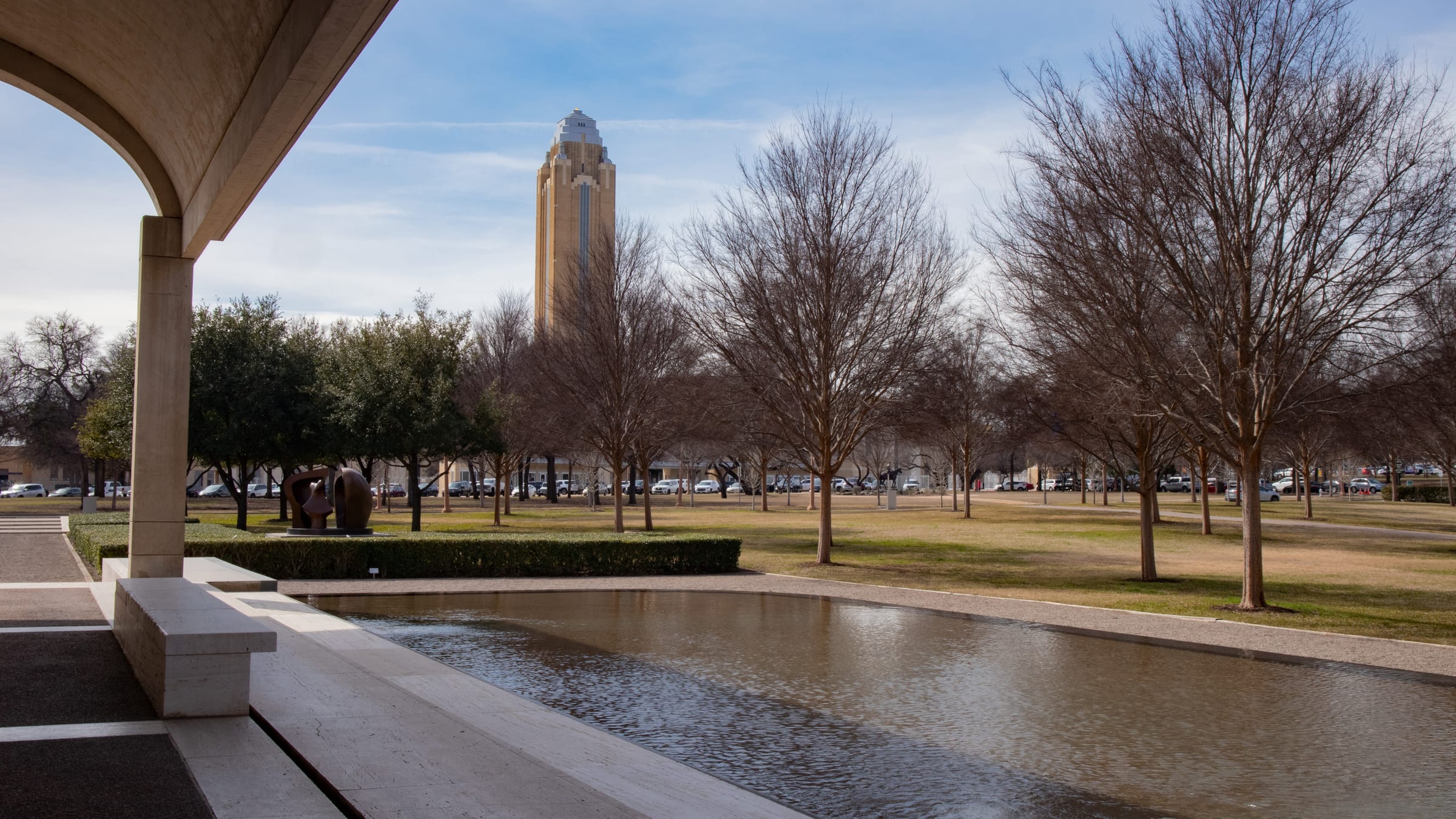
Louis Kahn's 1972 Kimbell Art Museum is considered a masterpiece of modern architecture, celebrated for its cycloid vaults and extraordinary use of natural light. The collection inside is intentionally small, roughly 350 works, but includes masterpieces by Michelangelo, Velázquez, Monet, Cézanne, Picasso, and Matisse. One of its most recognizable paintings is Caravaggio's The Cardsharps, painted around 1596 to 1597. The building alone is worth the visit; the fact that there is a Caravaggio waiting inside feels almost unfair.
Tadao Ando, Mark Rothko, and a Reflecting Pond

Tadao Ando's 2002 Modern Art Museum of Fort Worth is all concrete, glass, water, and Texas light, with five enormous pavilions appearing to float above its reflecting pond. Inside is one of the leading collections of postwar and contemporary art in the central United States, with works by artists including Mark Rothko, Andy Warhol, Agnes Martin, Donald Judd, Cindy Sherman, and Anselm Kiefer. Rothko's White Band No. 27 is part of the permanent collection, while Richard Serra's monumental Vortex has become nearly as much a part of the museum experience as Ando's building itself.
Philip Johnson on the Hill

Philip Johnson designed the original Amon Carter Museum of American Art to sit high on its Cultural District site, its great shellstone arches facing east toward downtown Fort Worth. The museum opened in 1961 around Amon G. Carter Sr.'s collection of works by Frederic Remington and Charles M. Russell, and has grown into one of the country's important collections of American art and photography. Today, its holdings include works by Georgia O'Keeffe, John Singer Sargent, Thomas Eakins, Grant Wood, Alexander Calder, and Albert Bierstadt, including Bierstadt's luminous Sunrise, Yosemite Valley.
Legorreta Brings the Color

Ricardo Legorreta's 2009 Fort Worth Museum of Science and History refuses to disappear politely among its famous architectural neighbors. Bold color, strong geometry, courtyards, and its 76-foot entrance tower give the museum its own identity while deliberately responding to Pioneer Tower at Will Rogers next door. The project received multiple honors, including a 2010 TEXO award and a 2011 Build America Award. It also preserved and incorporated the beloved Omni Theater, which originally opened in 1983 as the first IMAX dome theater in the Southwest.
The Art Isn't Always Inside the Museums
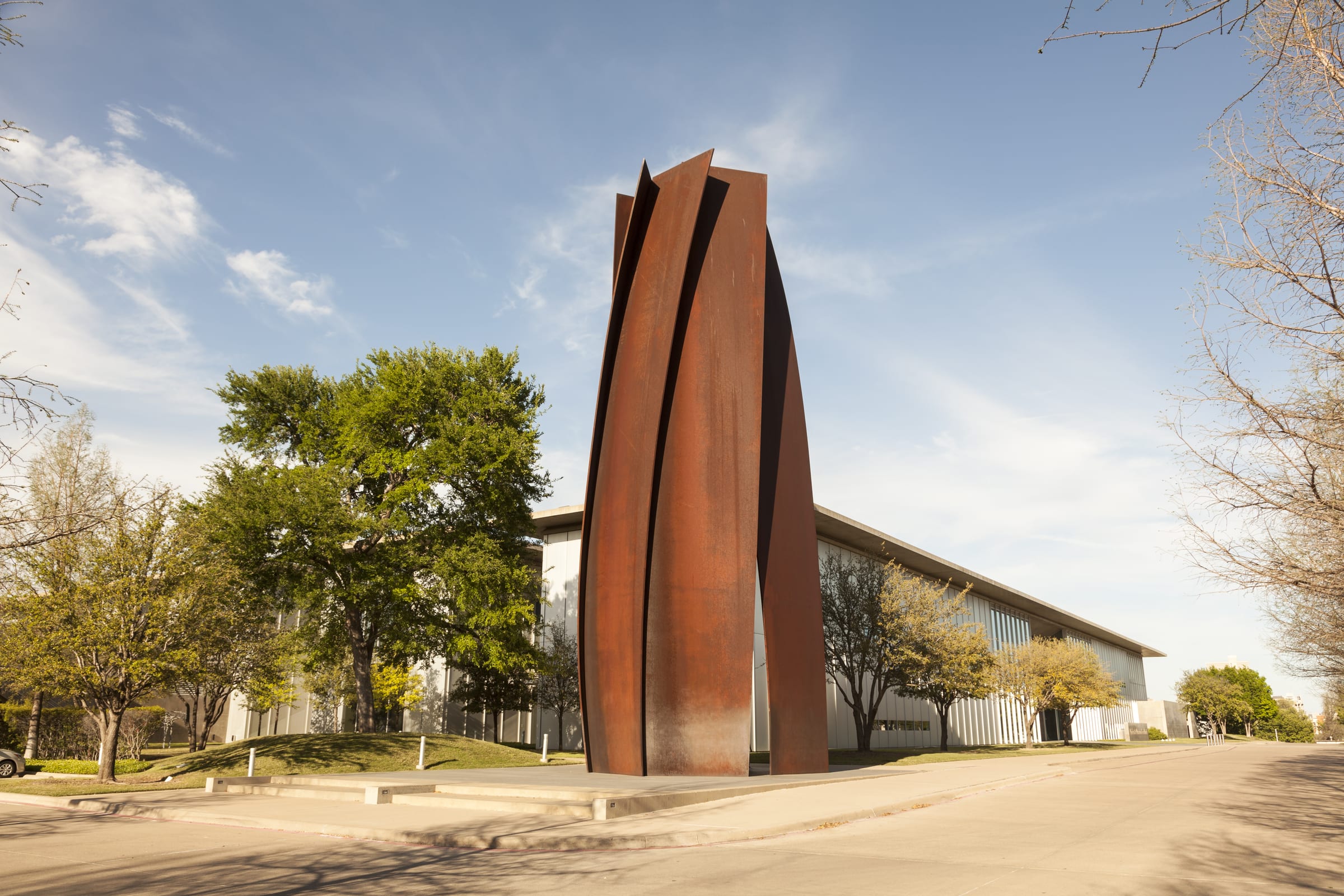
Some of the Cultural District's best-known works never require walking through a museum door. Richard Serra's monumental Vortex rises outside Tadao Ando's Modern, its weathered steel becoming almost inseparable from the concrete, glass, and water around it. At the Amon Carter, three towering Upright Motive bronzes by Henry Moore have stood on Philip Johnson's plaza since 1962, placed there after Ruth Carter Stevenson decided the space needed something architectural rather than Western. Across the lawn at the Kimbell, Moore appears again with Figure in a Shelter, joined by Joan Miró, Fernand Léger, and Isamu Noguchi's Constellation (for Louis Kahn). Noguchi created the group of basalt forms specifically for the Kimbell's south courtyard in honor of his friend Louis Kahn and personally arranged them there in 1983.
Where Cowtown Meets Culture
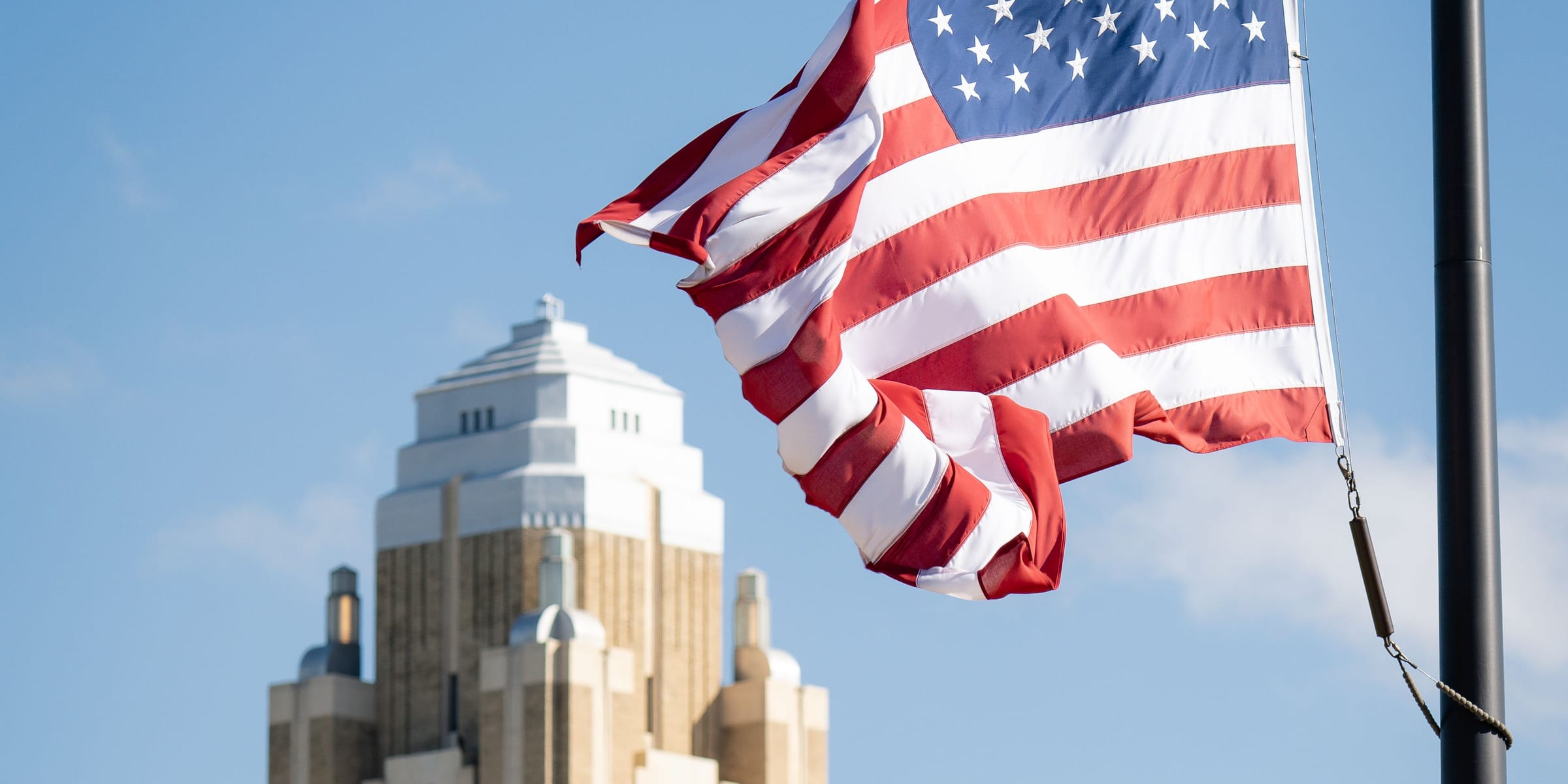
The Fort Worth Stock Show & Rodeo and the Cultural District have shared this ground for generations. The 1936 Will Rogers Memorial Center established the monumental character of the area with its Art Deco and Moderne architecture, Pioneer Tower, and formal allées. Out front, Electra Waggoner Biggs's Will Rogers Riding into the Sunset creates one of Fort Worth's most recognizable views. Every winter, the Stock Show still takes over the historic campus. Dickies Arena joined it in 2019, becoming the new home of the rodeo while the Stock Show continues throughout Will Rogers, a thoroughly Fort Worth combination of architecture, art, horses, and tradition.
Where the Cultural District Turns Green

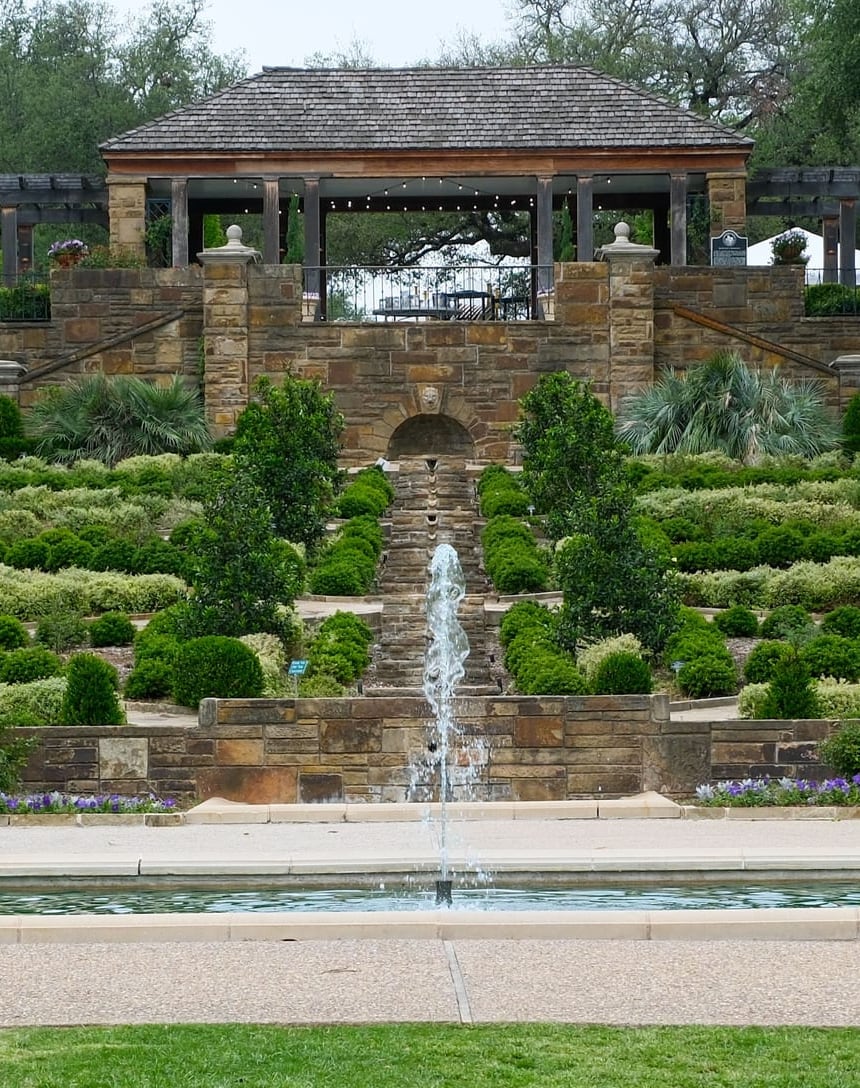
The Cultural District does not end at the museum lawns. Trinity Park stretches across 252 acres along the Clear Fork, connecting to more than 100 miles of Trinity Trails that wind through Fort Worth and are easily accessible from Crestwood and Monticello. Just across University Drive, the 120-acre Fort Worth Botanic Garden, the oldest major botanic garden in Texas, includes the historic Rose Garden, Japanese Garden, native landscapes, and collections that have grown here since the 1930s. The garden is also home to the Botanical Research Institute of Texas, or BRIT, whose research collections include more than 1.5 million plant specimens from around the world. Its modern headquarters was designed with the landscape in mind, with a living roof, daylighting, and other sustainable features that make the building part of the story too.
A Cultural District You Can Actually Live In
The Cultural District has become as good for dinner, drinks, and a Saturday afternoon as it is for museums. Don Artemio brings the flavors of northeastern Mexico to West 7th, while Paris 7th remains one of Fort Worth's intimate French dining rooms and Righteous Foods is an easy neighborhood stop for breakfast or lunch. The Chumley House adds a European-inspired steakhouse just off Camp Bowie, with the kind of moody, residential interior that makes dinner feel like an occasion. The Crescent has added Emilia's, the Circle Bar, residences, offices, and Canyon Ranch Wellness Club + Spa to the heart of the district, while nearby Bowie House combines restaurants and bars with a collection of contemporary art displayed throughout the hotel. And for something considerably less formal, grab sandwiches from The Great Outdoors and take them to the Kimbell lawn, Trinity Park, or the Fort Worth Botanic Garden for a picnic.
Three Neighborhoods, Three Ways to Live

Within just a few minutes, the housing changes completely. Monticello offers 1920s and 1930s Tudors, Craftsman cottages, Spanish-inspired homes, and thoughtful renovations alongside newer infill. Cross White Settlement Road into Crestwood and you will find postwar ranches, larger lots, extensive renovations, and new custom construction tucked among mature trees near the Trinity River. In the Cultural District, the options turn vertical, with condominiums and townhomes that put the museums, restaurants, and West 7th within walking distance. It is an unusually broad range of housing for such a small part of Fort Worth, and one of the reasons buyers can love the same general location while looking for completely different kinds of homes.
Property Types
The Art of Finding Your Place | Monticello, Crestwood, and the Cultural District
These neighborhoods may sit only minutes apart, but choosing among them is really a question of how you want to live. Do you want a 1930s house where the original windows and millwork are part of the appeal? A larger lot beneath the trees in Crestwood? Or would you rather lock the door of a condominium and walk to the Kimbell for an afternoon exhibition? Even within Monticello, crossing a few streets can change the architecture, lot size, and feel of the neighborhood considerably.

Monticello
Monticello is where I would start if the house itself is part of what draws you to the neighborhood. Developed primarily from the 1920s through the early 1940s, its streets offer Tudor Revival, Craftsman, Colonial Revival, Spanish Colonial, and Mediterranean-inspired architecture, often within the same few blocks. The houses tend to sit comfortably on their lots rather than overwhelm them, with sidewalks, mature trees, detached garages, and Monticello Park woven into the neighborhood. Bryce, Byers, Clarke, and West Fifth, Sixth, and Seventh Streets each have their own rhythm, and part of the fun is simply driving, or better yet, walking the neighborhood and beginning to notice the differences. For a buyer, condition is only part of the equation. I want to know what survived. Original steel or wood windows, millwork, brick, tile, fireplaces, doors, and good architectural proportions can give a house something that is extraordinarily difficult to recreate. Renovations are not inherently a negative, and I love an old house that lives beautifully for the way we live now, but the best ones understand what was worth keeping in the first place.
The Western Edge, and Why the Plat Matters
The western edge of Monticello gets a little complicated, which is precisely why it deserves its own explanation. Country Club Heights is a separate platted addition along portions of West Fifth, Sixth, and Seventh Streets between Westview Avenue and Monticello Drive. The architecture generally continues the 1920s and 1930s character of Monticello, but you will also find larger homes and increasingly close proximity to River Crest Country Club and the golf course. You will sometimes see this area marketed as Lower Monticello, but that is a marketing term rather than a plat name. Monticello Addition, Country Club Heights, and Rivercrest Addition meet in this part of the neighborhood, and the distinctions are not always obvious when you are standing on the street. They can matter when you are buying or selling. A house that looks and feels like part of Monticello may legally sit in another addition, and golf-course-facing properties generally belong to the Rivercrest Addition. When I am looking at comparables here, I want to know the plat as well as the neighborhood name in the listing.

Crestwood
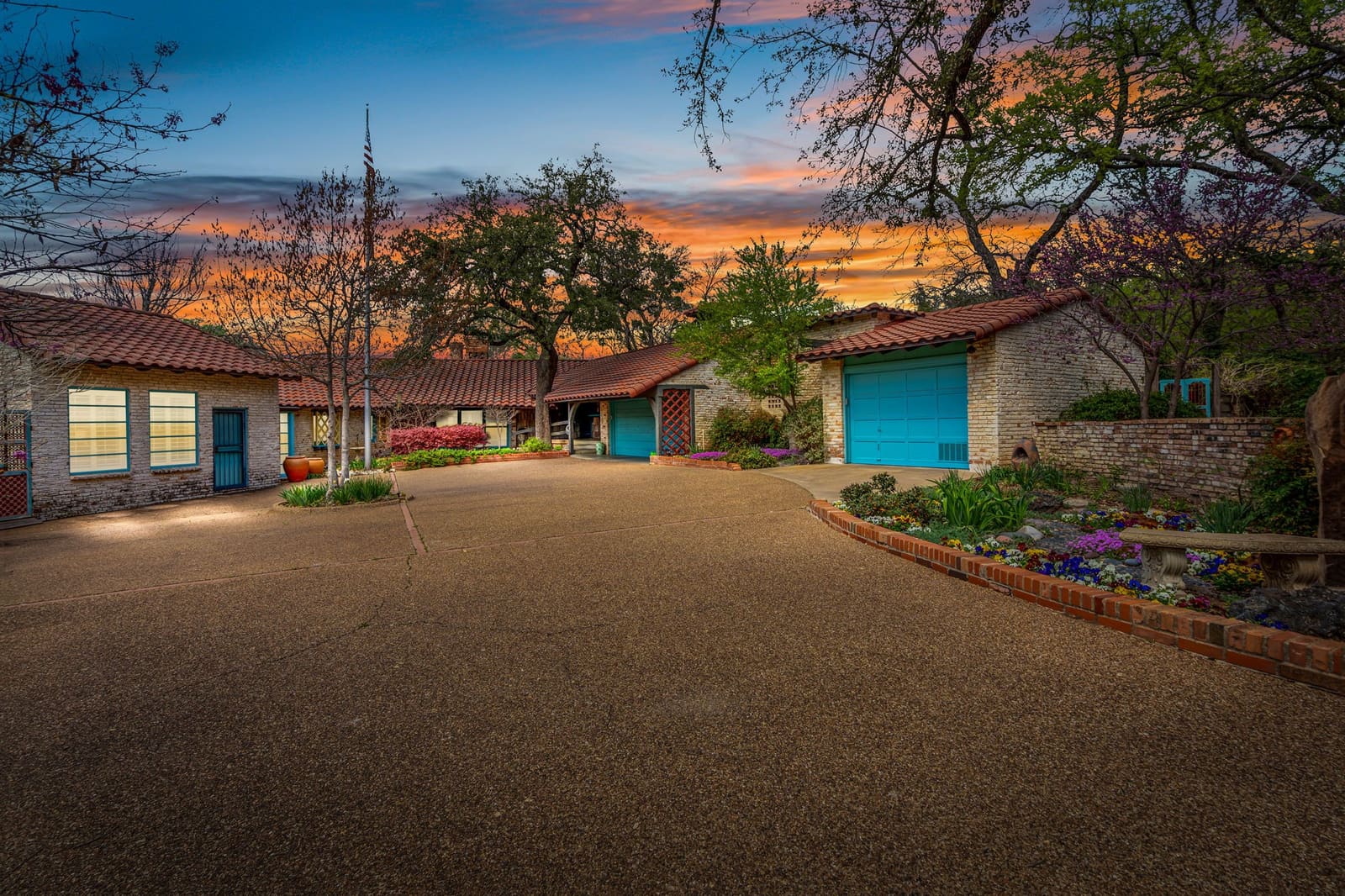
Crestwood is for the buyer who falls in love with the setting as much as the house. The West Fork of the Trinity River wraps around the neighborhood on three sides, and once you cross White Settlement Road, the city seems to fall away remarkably quickly. Streets curve beneath enormous trees, some famously growing right in the middle of the road, and houses sit on lots that are often larger and less regular than those in Monticello. There is not one architectural period that defines Crestwood, which is part of what makes it interesting. The neighborhood grew substantially in the 1940s, and you will find postwar ranches alongside earlier homes, major renovations, and contemporary custom construction. There are architectural surprises, too: Charles Dilbeck, one of Texas's most distinctive residential architects, designed a 1940 house on Crestwood Drive, bringing his wonderfully idiosyncratic approach to a neighborhood defined as much by its landscape as by its architecture. Crestwood also has a long tradition of neighbors keeping an eye on one another, quite literally. The neighborhood has run a volunteer patrol since 1988, part of Fort Worth's Citizens on Patrol program. I grew up in Crestwood, and I can assure you there was nothing quite as terrifying as realizing one of the ladies driving the neighborhood route had spotted you doing something you probably should not be doing. Long before doorbell cameras and neighborhood apps, Crestwood had eyes on the street. For a buyer, Crestwood requires a different eye than Monticello. I want to understand the lot, the trees, how the house sits on the land, what is original, and whether later additions or new construction respond to the setting rather than simply filling it. A postwar ranch beneath established trees and a newly built custom home may sit a few doors apart, but they are entirely different properties, and that is exactly why neighborhood-wide averages only get you so far here.

The Cultural District
If your version of neighborhood living involves walking to an exhibition at the Modern, dinner at Don Artemio, or drinks at Bowie House, the Cultural District offers a completely different kind of Fort Worth real estate. One Museum Place puts luxury condominiums above office and retail at University Drive and West 7th, overlooking the museum corridor and downtown. Nearby, Corner Store Condos offer townhome-style living, while Art House at So7 brings a more contemporary loft feel. Farther east, Montgomery Plaza transformed the enormous 1928 Montgomery Ward building into condominiums above shops and restaurants, preserving one of West 7th's most recognizable historic buildings while giving it an entirely new life. This is the lock-and-leave side of the neighborhood conversation. Instead of evaluating a roofline or the placement of a house on its lot, I am looking closely at the building itself: association reserves, insurance, assessments, rental restrictions, amenities, parking, views, and monthly carrying costs. And then there is the lifestyle question. For the right buyer, being able to walk to the Kimbell, the Modern, the Amon Carter, restaurants, the Fort Worth Botanic Garden, or events at Will Rogers and Dickies Arena is not simply a nice amenity. It is the reason to live here.

Two Things I Always Check
There are two practical pieces of due diligence here that should not be buried beneath all the prettier things. First, schools. Most Monticello and Crestwood addresses are served by Fort Worth ISD, generally following the North Hi Mount Elementary, Stripling Middle School, and Arlington Heights High School path. Attendance boundaries can change, however, and Fort Worth ISD also offers schools and programs of choice. I always recommend confirming the current assignment for a specific address directly with the district rather than relying on a listing or neighborhood name. Second, water. Crestwood's relationship with the Trinity River is one of the things that makes the neighborhood beautiful, but it also means flood risk and elevation deserve property-specific attention. Crestwood suffered significant flooding in 1949 before Fort Worth's modern flood-control system was built. Today, risk varies by parcel. Buyers should review the current FEMA map, seller's disclosure, any available elevation certificate, and insurance history, and obtain an insurance quote early in the process. Neither is a reason to love a house less. They are simply part of knowing what you are buying, which is always the point.
Comparison
Available Homes
Available Homes in Monticello, Crestwood, and the Cultural District
Browse current Monticello homes for sale, along with properties in neighboring Crestwood and the Cultural District. The homes here are as varied as the neighborhoods themselves, from 1920s Tudors, Craftsman cottages, and Spanish-inspired homes in Monticello to postwar ranches and new custom construction in Crestwood, plus condominiums and townhomes within walking distance of Fort Worth's museums.
Search All 76107 ListingsLiving Here
A Curated Life in Monticello and the Cultural District | Culture, Dining, and the Outdoors
One of the great luxuries of living near Fort Worth's Cultural District is that so much of what makes the city interesting becomes part of everyday life. Museums, restaurants, parks, the Trinity Trails, the Botanic Garden, hotels, shops, and neighborhood streets all sit within a relatively small area. You can spend an entire Saturday out and about without spending most of it in the car.
The Masterpieces Are Your Neighbors
Living near Fort Worth's Cultural District means some of the city's greatest institutions become part of the neighborhood rather than a special-occasion destination. The Kimbell Art Museum, Modern Art Museum of Fort Worth, and Amon Carter Museum of American Art are close enough for an exhibition, lunch, or an hour in a favorite gallery without making a day of it. Add the Fort Worth Museum of Science and History, National Cowgirl Museum and Hall of Fame, Will Rogers Memorial Center, Dickies Arena, and Casa Mañana, and there is almost always something happening within a few minutes of home.
I think that is one of the great pleasures of living here. You do not have to see everything every time. You can go to the Kimbell for one painting, walk through the Modern just to see what is new, or sit on the lawn without going inside at all. Culture becomes part of everyday life.
The Art of a Very Good Lunch
A museum morning requires a very good lunch, and fortunately there are plenty of options. Don Artemio brings the food of northeastern Mexico to West 7th and earned national attention as a James Beard Award finalist for Best New Restaurant after opening in 2022. Paris 7th remains a Fort Worth favorite for traditional French fine dining, while Righteous Foods is the neighborhood go-to for breakfast, lunch, juices, and something a little lighter.
Café Modern overlooks Tadao Ando's reflecting pond at the Modern Art Museum of Fort Worth, making the setting almost as important as the menu. Nearby, the new Café Mirador pairs lunch and weekend brunch with Forty Five Ten's designer shopping, complete with champagne, caviar, and art-filled interiors, and it is open for weekday lunch and weekend brunch rather than dinner, which makes it an especially natural fit for a Cultural District afternoon. Chumley House brings an intimate, European-inspired steakhouse to Camp Bowie, while the Crescent is home to Emilia's and the Circle Bar. Bowie House adds several places to eat and drink, along with contemporary art displayed throughout the hotel.
For something considerably less formal, pick up sandwiches from The Great Outdoors and take them to the Kimbell lawn, Trinity Park, or the Fort Worth Botanic Garden for a picnic. Not every good meal needs a reservation.
A Study in Green
For an area known for its museums, there is an extraordinary amount of green space. The Trinity River wraps around Crestwood and connects the neighborhood to Fort Worth's network of more than 100 miles of Trinity Trails. Trinity Park stretches along the Clear Fork just south of the Cultural District, with broad lawns, playgrounds, picnic areas, and easy access to the trails.
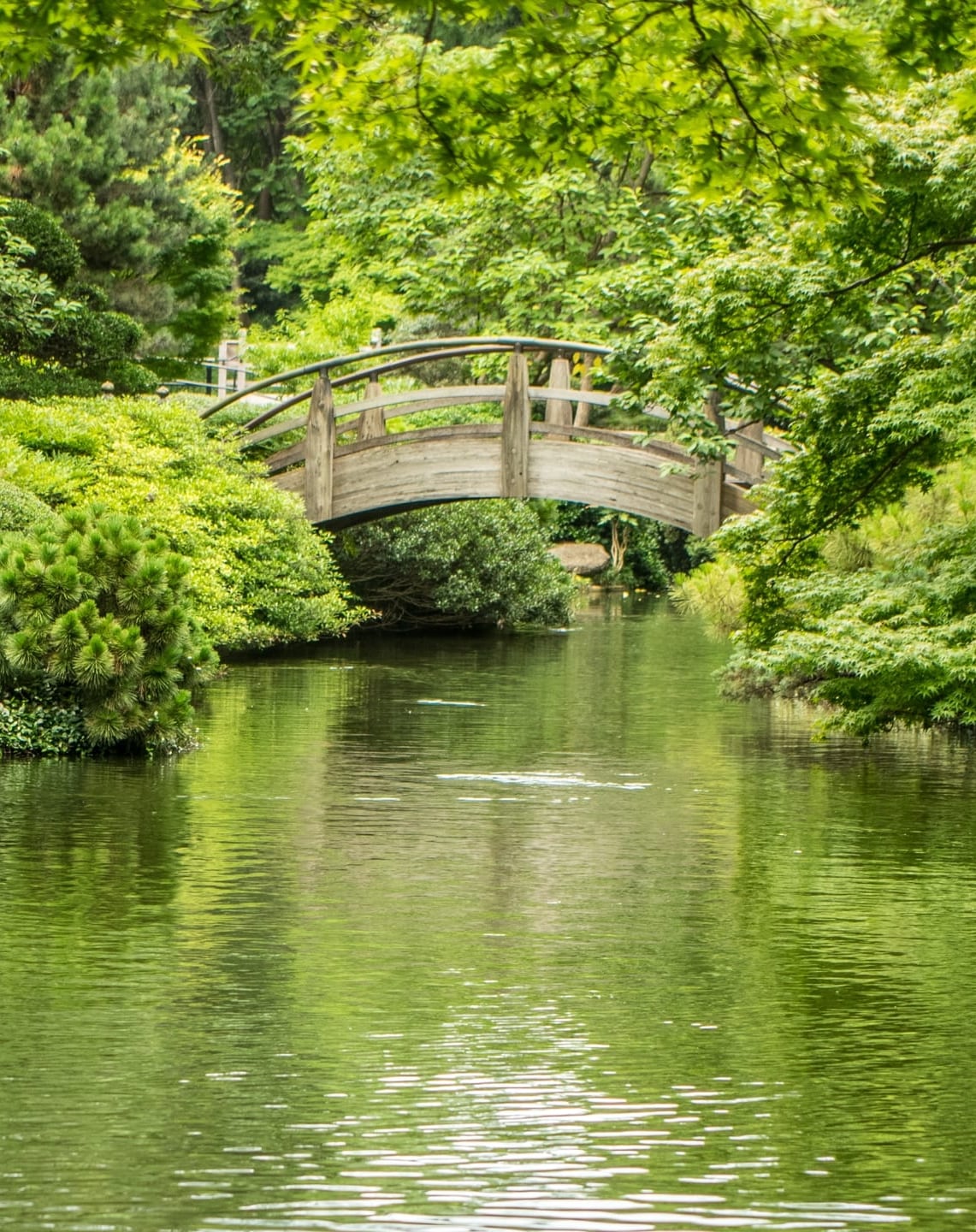
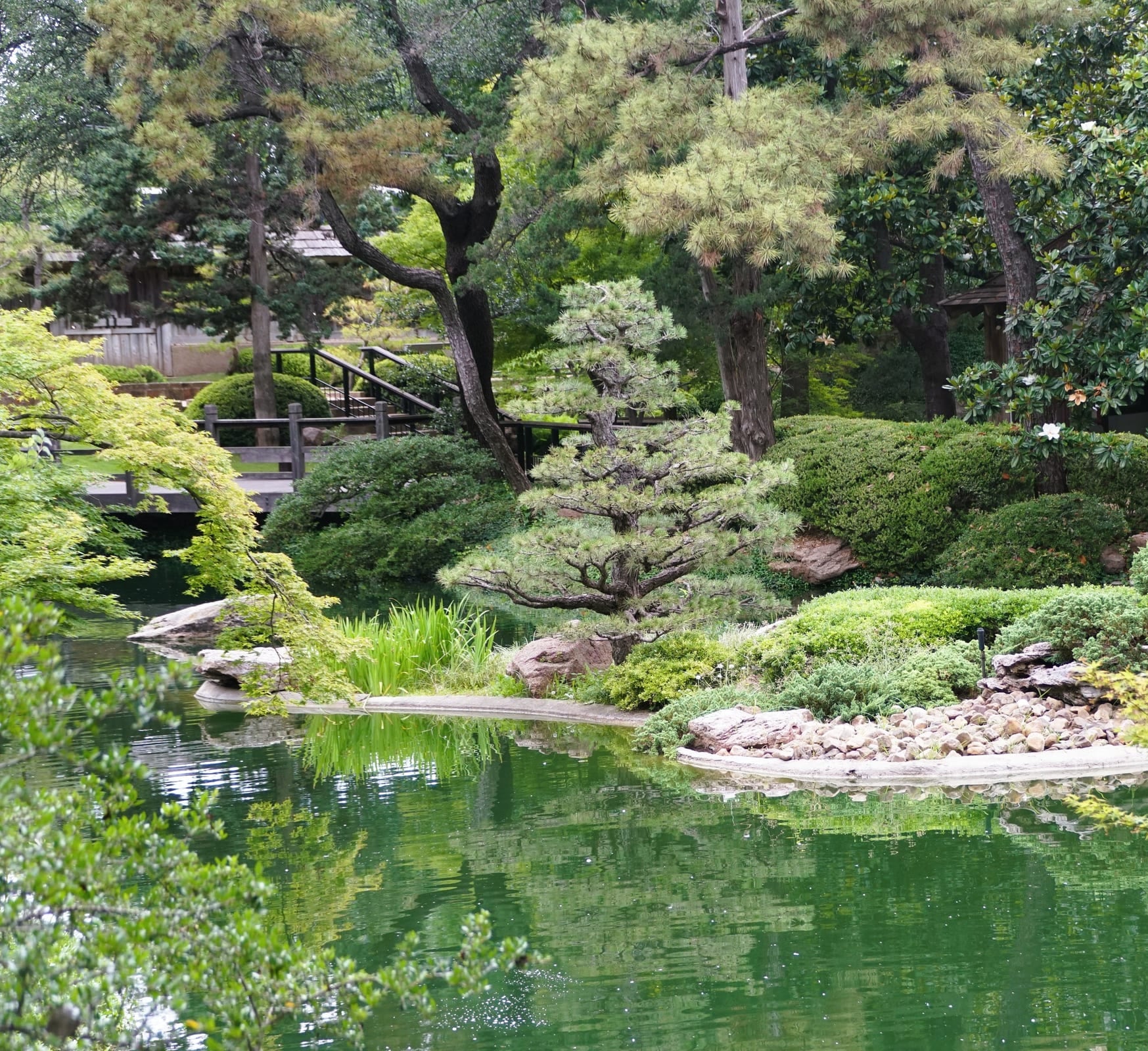
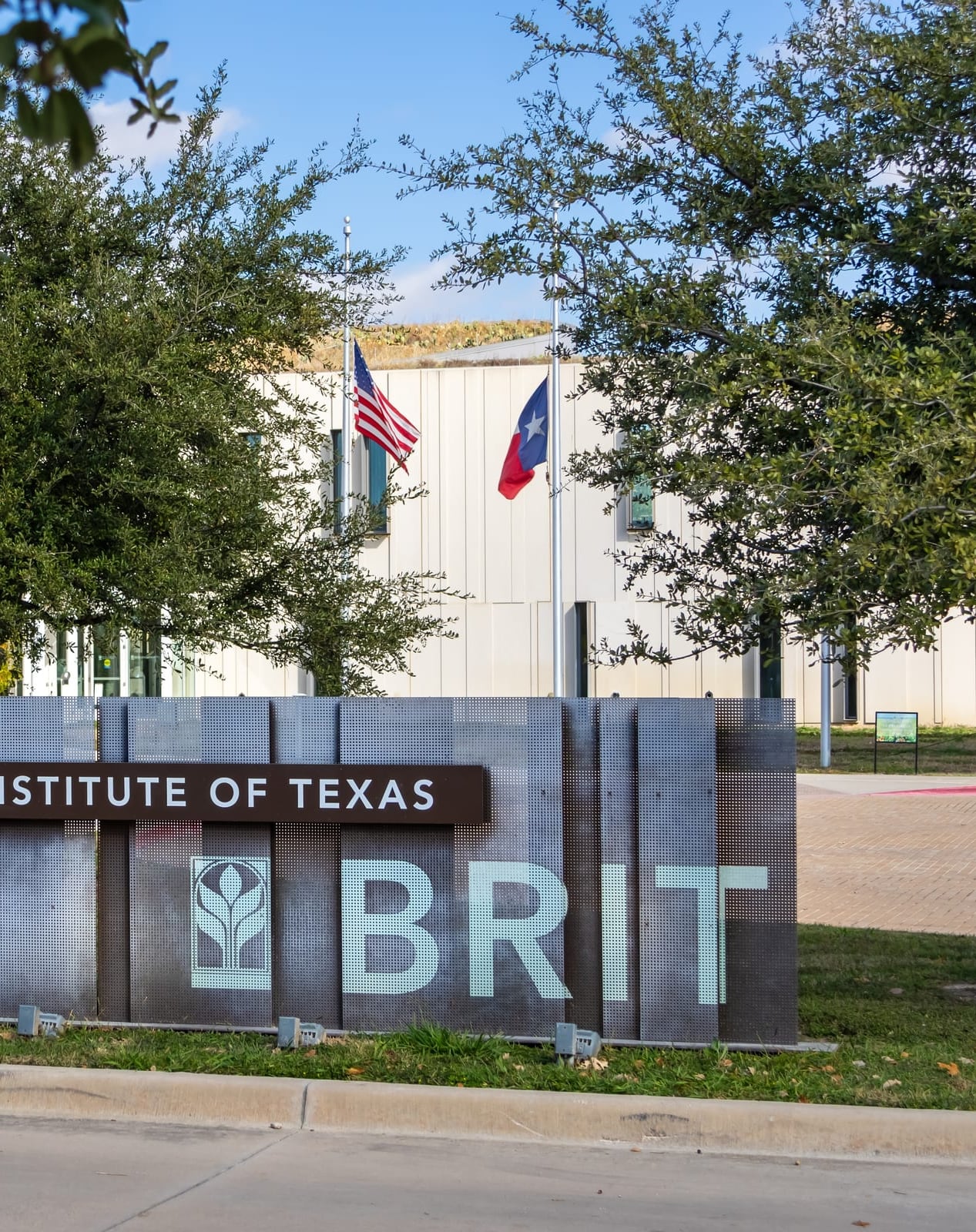
The Fort Worth Botanic Garden adds another 120 acres immediately beside the Cultural District. Established in 1934, it includes the historic Rose Garden, Japanese Garden, native landscapes, and botanical collections. The campus is also home to the Botanical Research Institute of Texas, or BRIT, bringing botanical research, conservation, and education into the same landscape.
Closer to home, Monticello Park has been part of its neighborhood since the 1920s, while Crestwood Park sits along the Trinity River. Even the grounds surrounding the Kimbell, Modern, and Amon Carter feel like another public landscape, with lawns, courtyards, water, trees, and monumental sculpture connecting the museums.
You can walk the Trinity Trails in the morning, wander through the Botanic Garden, meet someone for lunch at the Modern, and still be home in Monticello or Crestwood within minutes.


A Well-Composed Saturday
This is an easy part of Fort Worth in which to fill a Saturday without much of a plan. Start with an exhibition at the Kimbell or the Modern, wander through the Botanic Garden, or book a treatment at Canyon Ranch Wellness Club + Spa at the Crescent. Forty Five Ten brings designer fashion, jewelry, accessories, and home to West 7th, with Café Mirador upstairs when shopping turns into lunch or a glass of champagne.
A few blocks away, Bowie House has become a destination of its own. Lela Rose brings her Texas-born fashion sensibility to the hotel through special shopping experiences and events, while Ash Spa offers an afternoon escape without requiring an overnight stay. Add the restaurants, bars, contemporary art, and a crowd that can be almost as interesting as the collection, and you certainly do not need a room key to make an afternoon of it. You may even spot a movie star at the bar. This is still Fort Worth, though, so please try to act normal.
West 7th and Artisan Circle add fitness, entertainment, restaurants, and everyday services, while historic Montgomery Plaza combines residences with retail and dining in the converted 1928 Montgomery Ward building. Camp Bowie fills in the spaces between with independent shops, galleries, design businesses, restaurants, and services.
That may be the best part. You can start the morning looking at art, find yourself shopping after lunch, spend the afternoon at the spa or walking through the gardens, and meet friends for dinner or drinks without ever straying very far from home.
Schools
The Art of Learning | Schools Near Monticello, Crestwood, and the Cultural District
Families considering Monticello and Crestwood have access to Fort Worth ISD schools as well as a number of independent school options throughout west and southwest Fort Worth. School boundaries, programs, and enrollment policies can change, so buyers should always confirm the current assignment for a specific property directly with the district.
Fort Worth ISD
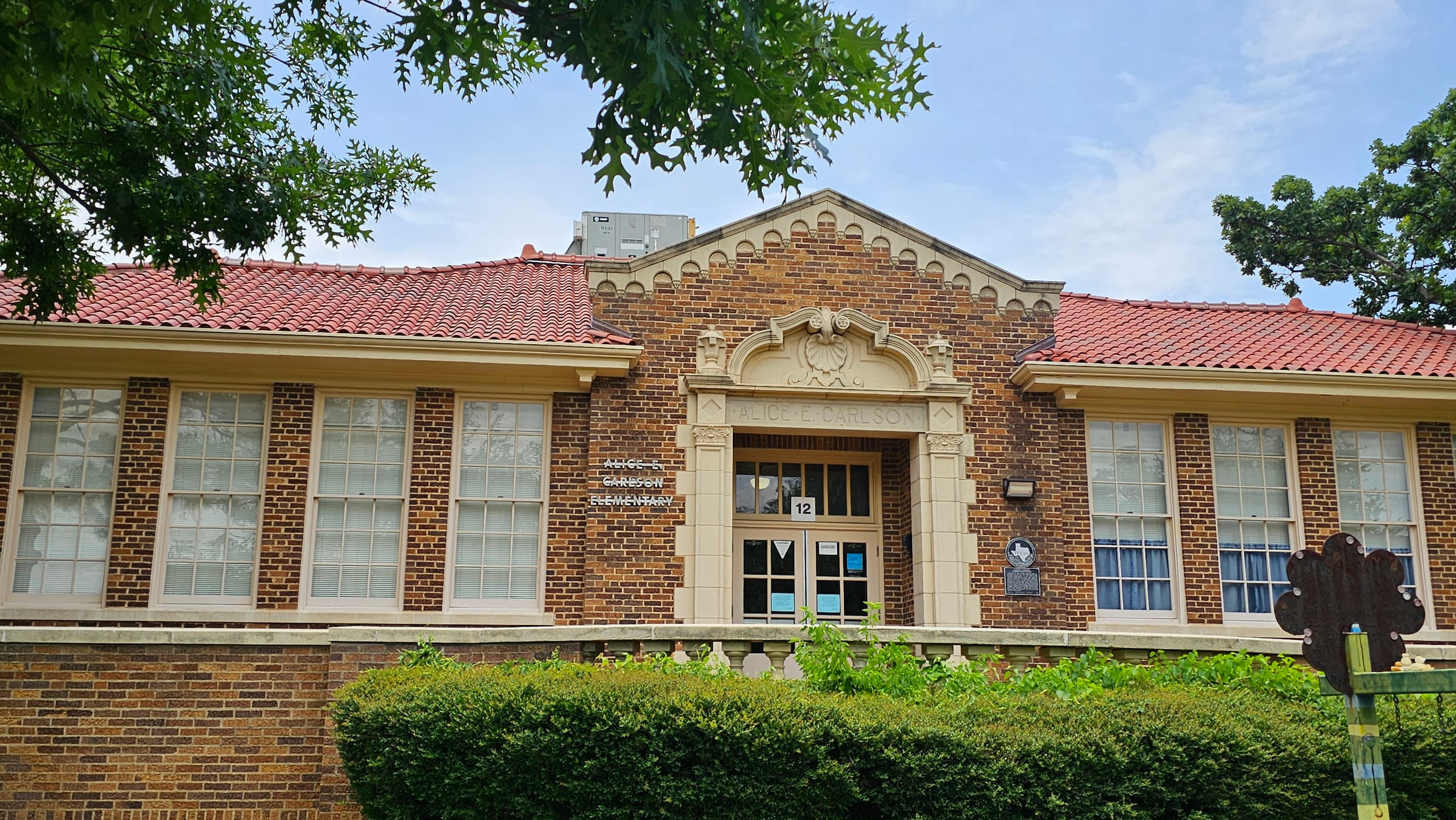
Most Monticello and Crestwood addresses are currently zoned to North Hi Mount Elementary School, Stripling Middle School, and Arlington Heights High School. North Hi Mount has served this part of Fort Worth since the 1930s, while Arlington Heights offers a range of academic, fine arts, athletics, and specialized programs, including Fort Worth ISD Gold Seal Programs of Choice.
Fort Worth ISD also offers schools and programs of choice that allow families to apply to options outside their neighborhood attendance zone. For buyers considering a home partly because of its school assignment, I recommend checking the district's current attendance-zone locator and researching the individual campus rather than relying solely on the school information shown in a real estate listing.
Fort Worth ISD is currently operating under a state-appointed Board of Managers following intervention by the Texas Education Agency in 2026. Because district leadership, programs, attendance boundaries, and accountability ratings can change, families should review current information directly from Fort Worth ISD and the Texas Education Agency when making school decisions.

Independent Schools
Several of Fort Worth's established independent schools are an easy drive from Monticello, Crestwood, and the Cultural District. Fort Worth Country Day serves students from junior kindergarten through grade 12, while Trinity Valley School serves pre-kindergarten through grade 12. All Saints' Episcopal School offers another pre-school through grade 12 option in west Fort Worth.
Fort Worth also offers additional independent, parochial, charter, magnet, and specialized programs throughout the city, giving families options beyond the attendance zone associated with a particular address.

Higher Education
UNT Health Fort Worth sits directly in the Cultural District on Camp Bowie Boulevard, bringing medical education, research, and health care into the neighborhood itself. Texas Christian University is just a few miles south, putting two of Fort Worth's major higher-education institutions within easy reach of Monticello, Crestwood, and the Cultural District.
At a Glance
A Snapshot of Monticello, Crestwood, and the Cultural District

West Fort Worth
Location
West Fort Worth, approximately three miles from downtown, centered around Camp Bowie Boulevard, West 7th Street, and the Cultural District, with Crestwood extending north along the West Fork of the Trinity River

5
Neighborhoods and Areas
Monticello, Country Club Heights, Crestwood, the Cultural District, and portions of the West 7th corridor

76107
ZIP Code

1920s to 1940s
Housing Character
Monticello and Country Club Heights are known for 1920s through early 1940s Tudor Revival, Craftsman, Colonial Revival, Spanish Colonial, and Mediterranean-inspired homes. Crestwood ranges from early and postwar residences to extensively renovated homes and new custom construction. The Cultural District adds condominiums, townhomes, lofts, and other lock-and-leave options

Walkable
Walkability
Monticello is one of west Fort Worth's more walkable traditional residential neighborhoods, with sidewalks and convenient access to Camp Bowie and the Cultural District. The Cultural District and West 7th offer an increasingly walkable mix of museums, restaurants, hotels, entertainment, and services. Crestwood is quieter and more residential, with direct connections to the Trinity Trails

3
Schools
Most Monticello and Crestwood addresses are served by Fort Worth ISD, generally following the North Hi Mount Elementary, Stripling Middle School, and Arlington Heights High School path. Buyers should verify current attendance boundaries for a specific address directly with Fort Worth ISD

8
Cultural Anchors
Kimbell Art Museum, Modern Art Museum of Fort Worth, Amon Carter Museum of American Art, Fort Worth Museum of Science and History, National Cowgirl Museum and Hall of Fame, Will Rogers Memorial Center, Dickies Arena, and Casa Mañana

100+ mi
Parks, Gardens, and Trails
Fort Worth Botanic Garden, Trinity Park, more than 100 miles of Trinity Trails, Monticello Park, Crestwood Park, Kelly Park, and nearby Rockwood Park and Golf Course

9
Dining and Lifestyle
Don Artemio, Paris 7th, Café Modern, Café Mirador at Forty Five Ten, Righteous Foods, Chumley House, The Crescent, Canyon Ranch Wellness Club + Spa, and Bowie House are all within or immediately around the district

3 mi
Distance to Downtown Fort Worth
Approximately three miles, depending on the neighborhood and route

7 figures
Real Estate
This is not a one-price market. Smaller period homes and condominiums can provide more approachable entry points, while renovated Monticello homes, larger Crestwood properties, new custom construction, and luxury condominiums can reach well into seven figures. Because architecture, condition, lot, location, and property type vary considerably, individual comparable sales are generally more useful than a neighborhood-wide median
School attendance boundaries are subject to change and should be verified directly with Fort Worth ISD for a specific property. Texas is a non-disclosure state, so actual residential sale prices are not public record.
In Pictures
Monticello, Crestwood, and the Cultural District


Related Reading
Nearby Neighborhoods


Questions
A Closer Look | Monticello, Crestwood, and Cultural District FAQs
What should buyers know about the Monticello real estate market?
What kinds of homes are in Monticello?
Is Crestwood a good place to buy a home in Fort Worth?
Can you live within walking distance of the Fort Worth museums?
What schools serve Monticello and Crestwood?
Is Monticello walkable?
Do I need to worry about flooding in Crestwood?
Why work with Susanna Gorski Bartolomei to buy or sell a home in Monticello or Crestwood?
Monticello is a relatively small market with an unusually varied collection of homes, which makes neighborhood-wide averages less useful than they might be elsewhere. Published figures in the first half of 2026 generally placed Monticello home prices in the mid-$600,000s, with median list prices approaching $700,000, but individual properties can vary considerably depending on size, location, architectural character, and renovation quality. Texas is also a non-disclosure state, and relatively few Monticello homes sell in any given month, so one or two transactions can move a reported median dramatically. More importantly, a beautifully preserved 1930s Tudor and a similarly sized house that has lost much of its original character are not necessarily comparable properties. I would much rather look closely at the house, the block, what has survived, what has changed, and a handful of genuinely comparable sales than tell a buyer that Monticello has a single average price.
Monticello is known for period homes built primarily from the 1920s through the early 1940s, including Tudor Revival, Craftsman, Colonial Revival, Spanish Colonial, and Mediterranean-inspired architecture. Steep gables, arched entries, original brickwork, tile roofs, deep porches, and detached garages are all part of the neighborhood vocabulary. There is newer construction and infill as well, but much of Monticello's appeal comes from how much of its original architectural character remains. When I am evaluating a house here, I am interested not only in what has been renovated, but what survived: original windows, millwork, tile, doors, fireplaces, and good proportions can be extraordinarily difficult to recreate.
Crestwood offers something unusual this close to downtown Fort Worth: a quiet residential setting surrounded on three sides by the West Fork of the Trinity River. Mature trees, winding streets, access to the Trinity Trails, and lots that are often larger and less regular than those in Monticello give it a distinctly different character. The architecture is more varied, too. Postwar ranches sit alongside earlier homes, extensive renovations, Charles Dilbeck architecture, and contemporary custom construction. That variety means buyers should pay close attention to the lot, trees, renovation quality, surrounding homes, and any future redevelopment nearby. Flood risk and elevation should also be evaluated for the specific property rather than generalized across Crestwood as a whole.
Absolutely. The Cultural District offers condominiums, townhomes, and loft-style residences within walking distance of the Kimbell Art Museum, Modern Art Museum of Fort Worth, and Amon Carter Museum of American Art. One Museum Place offers luxury condominiums at University Drive and West 7th, while Corner Store Condos and Art House at So7 provide additional attached options nearby. Farther east, Montgomery Plaza transformed the historic 1928 Montgomery Ward building into condominiums above retail and restaurants. For buyers who want a lock-and-leave home with museums, restaurants, hotels, and much of West 7th outside the front door, this is one of Fort Worth's most compelling options.
Most Monticello and Crestwood addresses are currently served by Fort Worth ISD and generally follow the North Hi Mount Elementary School, Stripling Middle School, and Arlington Heights High School path. Fort Worth ISD also offers Gold Seal Programs and other schools and programs of choice that allow families to apply beyond their neighborhood attendance zone. Fort Worth ISD is currently operating under a state-appointed Board of Managers following intervention by the Texas Education Agency in 2026. School assignments, programs, district leadership, and accountability ratings can change, so buyers should confirm the current attendance zone for a specific address directly with Fort Worth ISD and review current campus information from the district and Texas Education Agency.
Monticello is more walkable than many traditional Fort Worth neighborhoods, with sidewalks, tree-lined streets, Monticello Park, and relatively easy access to Camp Bowie and the Cultural District. Depending on where you live, walking to a restaurant, coffee, a museum, or the park can genuinely become part of daily life. It is not a neighborhood where most residents will abandon their cars entirely. The Cultural District and West 7th offer a more concentrated mix of restaurants, museums, hotels, entertainment, and services, while Crestwood trades some of that walkability for river access, larger lots, and a quieter residential setting.
Flood risk is a legitimate property-specific due-diligence item in Crestwood. The West Fork of the Trinity River surrounds the neighborhood on three sides, and Crestwood experienced significant flooding in 1949 before Fort Worth's modern flood-control system was constructed. That history does not mean every Crestwood property carries the same risk. Elevation and flood mapping vary by parcel. Buyers should review the current FEMA flood map for the specific address, the seller's disclosure, any available elevation certificate, and insurance history, and obtain an insurance quote early in the process. The river is one of the things that makes Crestwood so beautiful. Understanding its relationship to a particular property is simply part of buying here intelligently.
I know Monticello and Crestwood from more than one perspective. I am a fifth-generation Fort Worth native and have personally lived in both neighborhoods. I have also guided buyers and sellers through Fort Worth real estate since 2012 as a Broker Associate with Compass, with a practice particularly focused on architecturally significant homes, historic properties, and discreet sales. My undergraduate degree is in History of Art and Architecture from Middlebury College, and I hold a master's degree in History of Art from The University of Texas at Austin. I also serve on the Board of Directors of the Modern Art Museum of Fort Worth, right here in the Cultural District. That background matters in neighborhoods where the details matter. I want to understand the architecture, the lot, the block, what has survived, what has changed, and whether a renovation adds to the house or works against it. Having lived here myself, I also know some things that do not appear on a listing sheet, from the quirks of individual streets to the formidable powers of the Crestwood neighborhood patrol or the elusive Monticello Spring.
Let's Find Your Place in Fort Worth
I have had the pleasure of calling both Monticello and Crestwood home, and I know how different these neighborhoods can feel from one street to the next. Whether you are drawn to the architectural character of a 1930s Monticello home, the trees and winding streets of Crestwood, or a lock-and-leave home within walking distance of the Cultural District, finding the right property here begins with understanding what makes each neighborhood distinct.
As a fifth-generation Fort Worth native, Broker Associate with Compass, and art historian, I have worked in real estate since 2012 and bring a particular appreciation for the architecture, history, and details that give a home its character and value.
It would be my honor to be your guide throughout Fort Worth, helping you find your place in our vibrant community. Call (817) 602-5465 or email sgb@compass.com.
Agent
Susanna Gorski Bartolomei
Title
Broker Associate, Compass Real Estate
Phone
(817) 602-5465Office
5049 Edwards Ranch Road, Suite 200, Fort Worth, TX 76109
Hours
Monday to Friday, 9:00 am to 5:00 pm. Saturday and Sunday by appointment
Languages
English and French
Website
SusannaFortWorth.com
TREC License
0619175