
Ridglea and Ridglea Hills, Fort Worth | Two Distinct Neighborhoods Shaped by Fort Worth's Westward Growth
Ridglea and Ridglea Hills are often spoken of as one neighborhood, but their differences are easy to see. Developed in different periods as Fort Worth expanded west, their changing street patterns, topography, architecture, and housing styles tell the story of how this part of the city grew from the 1920s through the postwar years.


Ridglea and Ridglea Hills | One District, Distinctly Different Neighborhoods

Ridglea and Ridglea Hills | Developed in Layers

Ridglea and Ridglea Hills are often spoken of as one neighborhood, but they have never been quite the same place. Their differences are still remarkably easy to see today, in the streets, the houses, the lots, and the way each neighborhood responds to the land.
The larger Ridglea story developed in layers. Ridglea North was first platted in 1928 by Morris E. Berney and Bernie L. Anderson, with some of its earliest houses appearing around 1930. Development slowed during the Depression before picking up again in the 1940s, when A.C. Luther became one of the central figures in Ridglea's transformation. Luther began developing Ridglea Village along Camp Bowie Boulevard in 1940 and, together with his brother J.T. Luther Jr. and developer Earl Wilson, became instrumental in the residential development that followed.
Architecture, Camp Bowie and the Ridglea Theater
That chronology helps explain why Ridglea doesn't have a single architectural identity. North of and around Camp Bowie, you find earlier houses, more traditional street patterns, cottages, and architecture with stronger ties to Fort Worth's prewar neighborhoods. Move into Ridglea Hills and the landscape changes. The postwar neighborhood spreads across rolling terrain with curving streets, larger lots, brick ranch houses, and custom midcentury homes that sit more freely on the land. The distinction can be subtle on a map and quite obvious when you are driving through it.
The Luthers also envisioned something larger than houses alone. Camp Bowie became the district's commercial spine, with shops, offices, apartments, and the Ridglea Theater, designed by Fort Worth architects Pettigrew and Worley and opened in December 1950. Ridglea Country Club was established in 1954, while Luther Lake and Bal Lake added something genuinely unusual to the surrounding residential landscape: small bodies of water tucked among the hills and houses of west Fort Worth.
Neighborhood Names and House-Specific Value
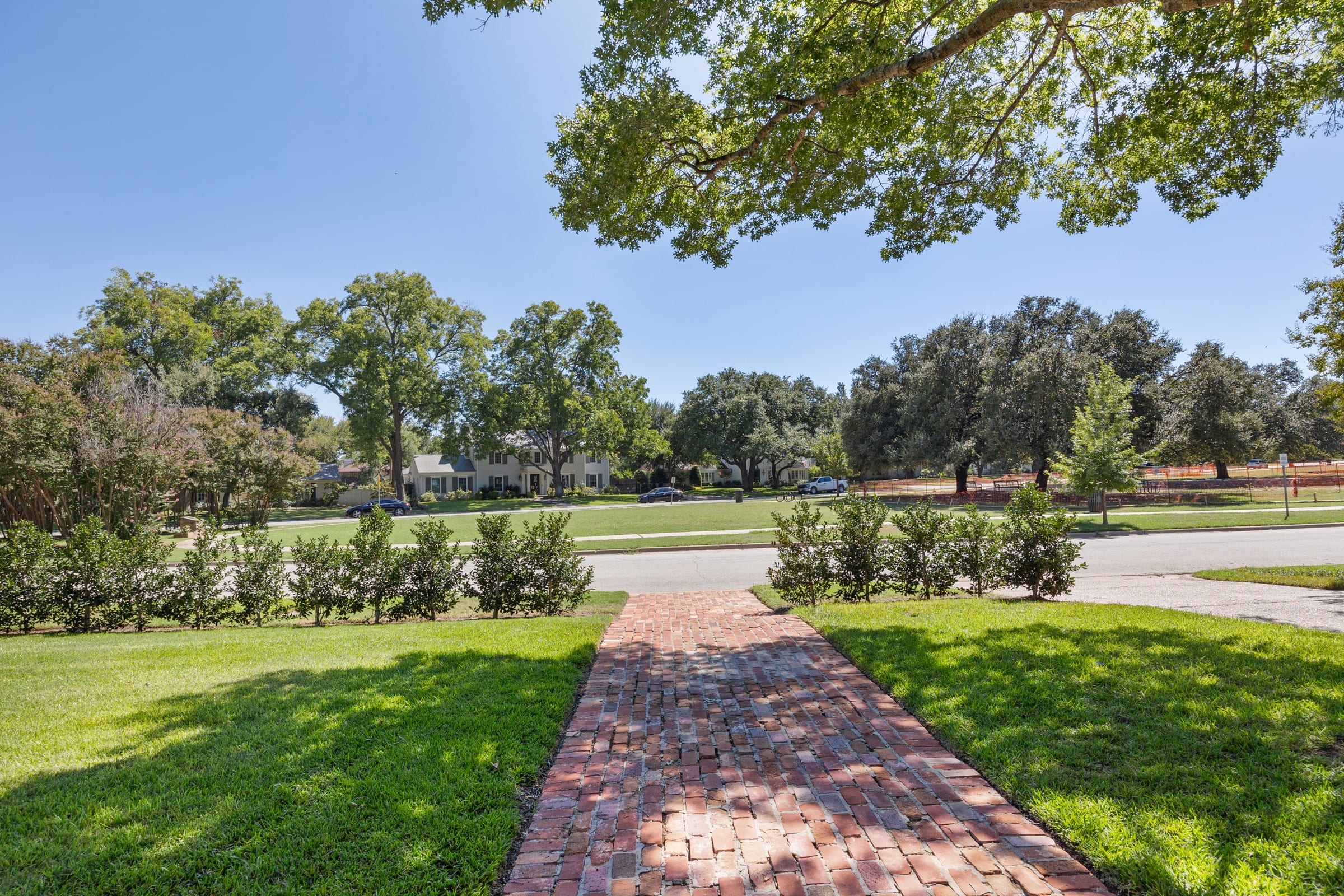
Today, the larger Ridglea area includes Ridglea, Ridglea Hills, Ridglea North, Ridglea West, and Ridglea Country Club Estates, although those names aren't always used consistently in real estate listings. That matters when you're looking for a house here. A search limited to Ridglea Hills homes for sale can miss houses only a few streets away, while two properties carrying a Ridglea address can offer very different architecture, lots, streetscapes, and price points.
That variety is part of what makes Ridglea interesting to me. There are smaller cottages and ranch houses, beautifully preserved midcentury homes, substantial custom houses, and plenty that have been altered several times over the decades. Value here can be remarkably house-specific. Lot, street, topography, original architecture, and the quality of a renovation can tell you far more than a neighborhood-wide average ever will.
Working With Susanna
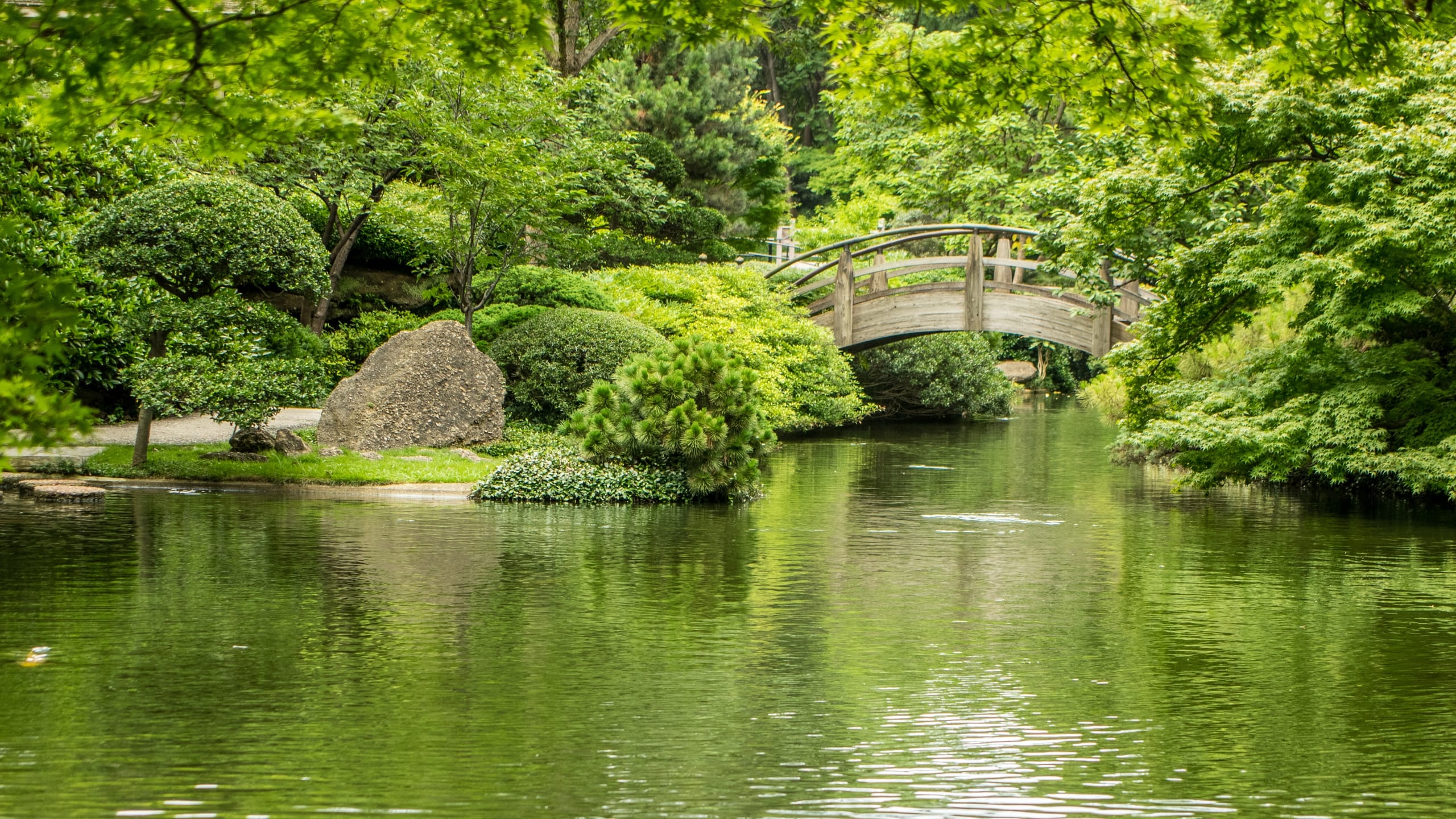
As a fifth-generation Fort Worth native, Broker Associate with Compass, and art historian, I tend to look at Ridglea and Ridglea Hills through all of those layers. Understanding when a house was built, why it sits where it does, and how it relates to the development around it isn't just interesting history. In neighborhoods this varied, it is part of understanding the house itself and what it is worth.
What to Love
The Details That Make Ridglea and Ridglea Hills What They Are
It All Started in 1928
In 1928, Morris E. Berney and Bernie L. Anderson platted Ridglea North, with some of its earliest houses appearing around 1930. The Depression slowed development before the Luthers arrived in the 1940s, helping explain why Ridglea contains architecture from distinctly different periods.
The Man They Called "Mr. Ridglea"
Arlie Clayton "A.C." Luther had already built houses in Westover Hills before turning his attention farther west. Working with his brother J.T. Luther Jr. and developer Earl Wilson, he became instrumental in Ridglea's residential and commercial development. His association with the neighborhood became so complete that he eventually became known simply as "Mr. Ridglea."
"Ridglea Has Everything"
That was actually the advertising slogan. Beginning in 1940, A.C. Luther developed Ridglea Village along Camp Bowie with shops, offices, apartments, and eventually a movie theater serving the surrounding community. The idea that daily life should be built into the neighborhood wasn't an afterthought. It was part of the plan.
A Movie Palace on Camp Bowie
The Ridglea Theater opened in December 1950, designed by Fort Worth architects Pettigrew and Worley. Its Mediterranean-inspired architecture, tower, marquee, terrazzo floors, and elaborate interiors made it far more than a neighborhood movie house. More than seventy-five years later, it remains one of Camp Bowie's great landmarks.
A. Quincy Jones in Fort Worth
In 1953, celebrated Los Angeles modernist A. Quincy Jones designed 4167 Charron Lane for oilman Andrew Fuller, with interiors by Hollywood actor-turned-designer William "Billy" Haines. Originally set on more than 17 acres, the house later became home to Amon Carter III. It is an extraordinary piece of California modernism hiding in Ridglea Hills.
Two Lakes Hidden in the Hills
Luther Lake and Bal Lake are tucked into Ridglea Hills and largely invisible from the surrounding streets. Only a small number of houses have direct frontage, creating some of the neighborhood's most unusual lots and views. Luther Lake also has a long-running Christmas lights tradition that has become a neighborhood institution, alongside the large Fourth of July fireworks bash over the lake.
Luther Lake reportedly wasn't supposed to be a lake at all. The land was intended for additional houses, but a persistent natural spring complicated development. Attempts to stop the water failed, the story goes, and by 1947 the troublesome spring had instead become a roughly ten-acre lake surrounded by houses.
A Golf Course Older Than the Country Club
Ridglea Country Club was established in 1954, but its North Course reaches back to a John Bredemus design from 1928. Ralph Plummer renovated the course when the club was established, and a second course was later developed farther south, in a newer planned community known as Ridglea Country Club Estates.
Ridglea Country Club Estates
Ridglea's development continued south in the 1960s, when J.T. Luther and Fritz Barton began developing Ridglea Country Club Estates around a new course for Ridglea Country Club. Larger lots, later architecture, and the golf-course setting give the neighborhood a distinctly different character from both Ridglea and Ridglea Hills, adding another chapter to the larger Ridglea story.
The Lost Western Hills Hotel
Charles Dilbeck's Western Hills Hotel once stood along the Camp Bowie corridor, bringing his wonderfully theatrical approach to architecture to Fort Worth's expanding west side. The hotel was eventually demolished, taking with it one of Ridglea's most distinctive buildings and leaving another piece of Dilbeck's Fort Worth visible only in photographs and memory.
Ridglea Was Once the Edge of Fort Worth
When development began pushing west, Ridglea lay beyond Fort Worth's city limits. The city annexed the growing area in 1944. What now feels like an established, close-in west Fort Worth neighborhood was, within living memory, part of the city's new western frontier.
You Can See the Decades Change From the Car
One of the best ways to understand Ridglea is simply to drive it. Earlier cottages and traditional houses give way to brick ranches, custom mid-century homes, larger lots, curving streets, and increasingly dramatic terrain as you move into Ridglea Hills. The changes in architecture and planning tell the story of how Fort Worth grew west.
The Developers Lived Here, Too
Curzon Place and Fairfield Gates carried Ridglea's Mediterranean character from Camp Bowie into residential architecture. Nationally known landscape planners Hare & Hare helped shape the landscape at Curzon Place, while Fort Worth architect Al Komatsu designed nearby Fairfield Gates as a private family residence for developers J.T. Luther and Earl Wilson. Look past the tile roofs and Mediterranean details at Fairfield Gates, and you can see Komatsu's modernist hand in the clean lines, courtyards, and relationship between the buildings and landscape.
Property Types
Understanding the Neighborhoods of Ridglea
One of the first things to understand about Ridglea is that the name describes several distinct neighborhoods, not one uniform real estate market. Ridglea Hills, Ridglea North, Ridglea West, and Ridglea Country Club Estates differ in architecture, lot size, street pattern, price, and even, in a few cases, which city you are actually buying in. The names are also used somewhat loosely in real estate listings, which makes knowing the differences particularly useful.

Ridglea North
Ridglea North has an earlier development history, a more traditional street pattern, generally smaller houses and lots, and much closer proximity to the shops, restaurants, and businesses along Camp Bowie. Ridglea Village and the Ridglea Theater sit right at its doorstep.
For buyers who want an established west Fort Worth neighborhood with the ability to walk to coffee, dinner, or a neighborhood shop, Ridglea North offers something quite different from the larger lots and winding streets of Ridglea Hills. It is also a good reminder that a house listed simply as "Ridglea" may not be comparable to one several streets south.

Ridglea Hills
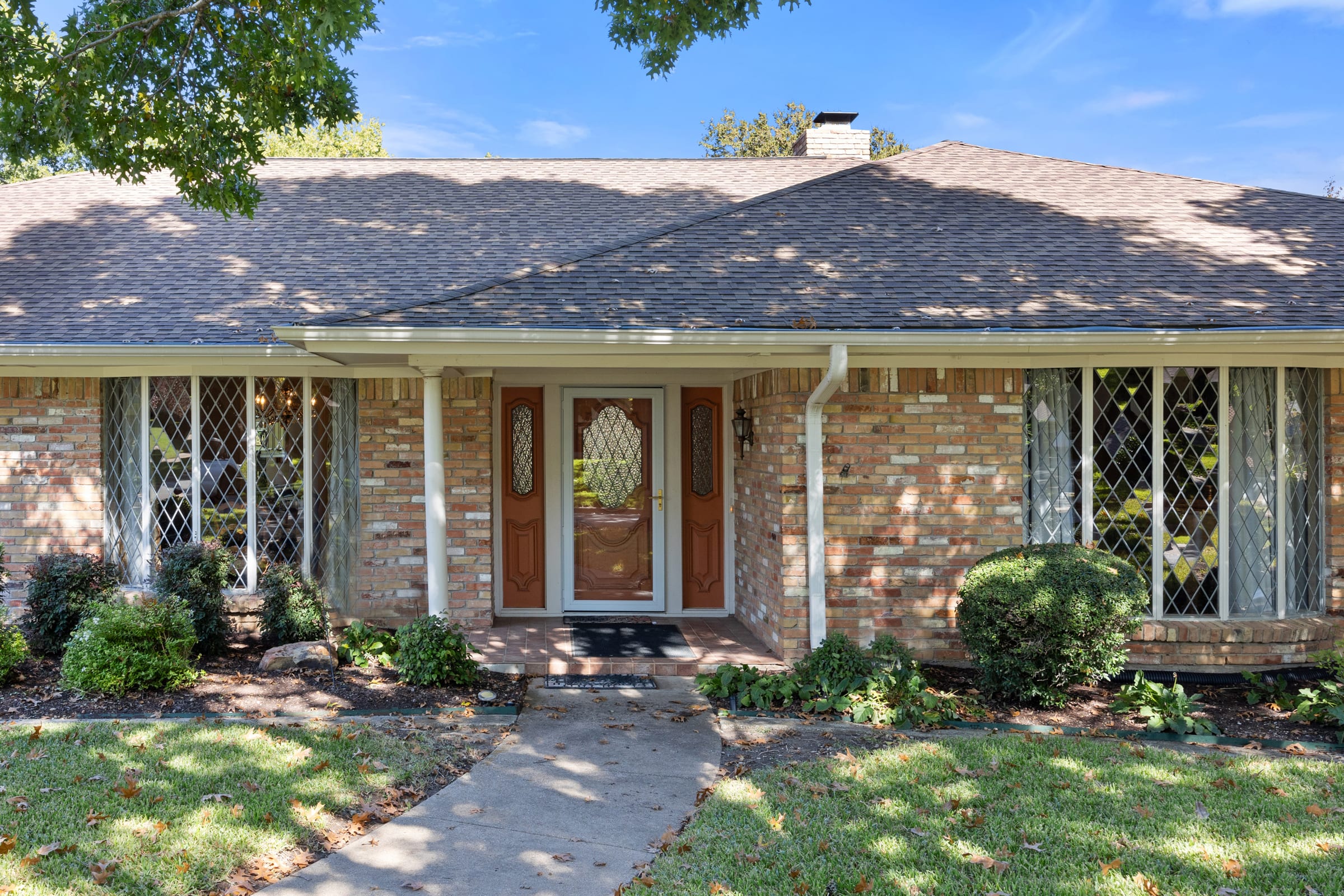
Ridglea Hills is the largest and probably best-known part of the district. South of Camp Bowie, the terrain becomes more pronounced and the streets begin to curve with it. This is classic postwar Fort Worth, with brick ranch houses, custom midcentury homes, generous lots, and some wonderfully individual architecture tucked into the hills.
There is considerably more variety here than the phrase "1950s ranch" suggests. Houses around Luther Lake and Bal Lake have their own character, golf-course properties behave differently again, and substantial renovations and newer construction are scattered among intact original houses. Street, lot, topography, and architecture can make two houses of similar size surprisingly different in value.
Ridglea Country Club Estates
Ridglea Country Club Estates represents a later chapter in the area's development. Built around Ridglea Country Club's South Course, it has a more secluded feeling, larger houses and lots, golf-course properties, garden homes, and a street pattern distinctly different from the older sections of Ridglea.
There is one particularly important wrinkle here: portions of Ridglea Country Club Estates fall within Benbrook rather than Fort Worth. That can affect taxes, municipal services, permitting, and other practical details of ownership. The neighborhood also has recorded restrictive covenants and an active homeowners association, making the exact address important before assuming the rules are the same as elsewhere in Ridglea.
Ridglea West
Ridglea West is quieter and considerably less talked about than Ridglea Hills, but it adds another layer to the district. Houses tend to be smaller and more modest than those farther east, often providing a more approachable entry point into this part of west Fort Worth.
This is an area where I pay particular attention to the individual block and the condition of the house. Ridglea West can change noticeably from street to street, and broad neighborhood averages don't tell you nearly as much as seeing the property and its immediate surroundings for yourself.

Buying a Mid-Century Home in Ridglea
A large portion of Ridglea Hills was built during the postwar decades, and many houses have now been renovated at least once. That makes how a house has been updated every bit as important as whether it has been updated.
Original electrical systems, cast-iron or clay waste lines, older windows, foundation movement, previous additions, and aging mechanical systems all deserve attention. Houses from the later 1960s and early 1970s may also have aluminum branch wiring, which should be evaluated both for safety and insurance.
But I wouldn't automatically treat original condition as a negative. Some of the most interesting houses here retain original cabinetry, paneling, tile, terrazzo, windows, or floor plans that were integral to their design. There is a considerable difference between something that is simply dated and something worth preserving.

Why the Exact Address Matters
When I compare houses in Ridglea, I don't rely on the neighborhood name attached to the listing. A Ridglea North cottage, a renovated ranch in Ridglea Hills, a house overlooking the golf course, and a property in Ridglea Country Club Estates may all appear in a search for "Ridglea," but they belong to different micro-markets.
The exact street, subdivision, lot, architecture, condition, and, in Country Club Estates, even the municipality can affect both value and ownership. In Ridglea, knowing precisely where a house sits is far more useful than knowing the neighborhood average.
Comparison
Available Homes
Ridglea and Ridglea Hills Homes for Sale
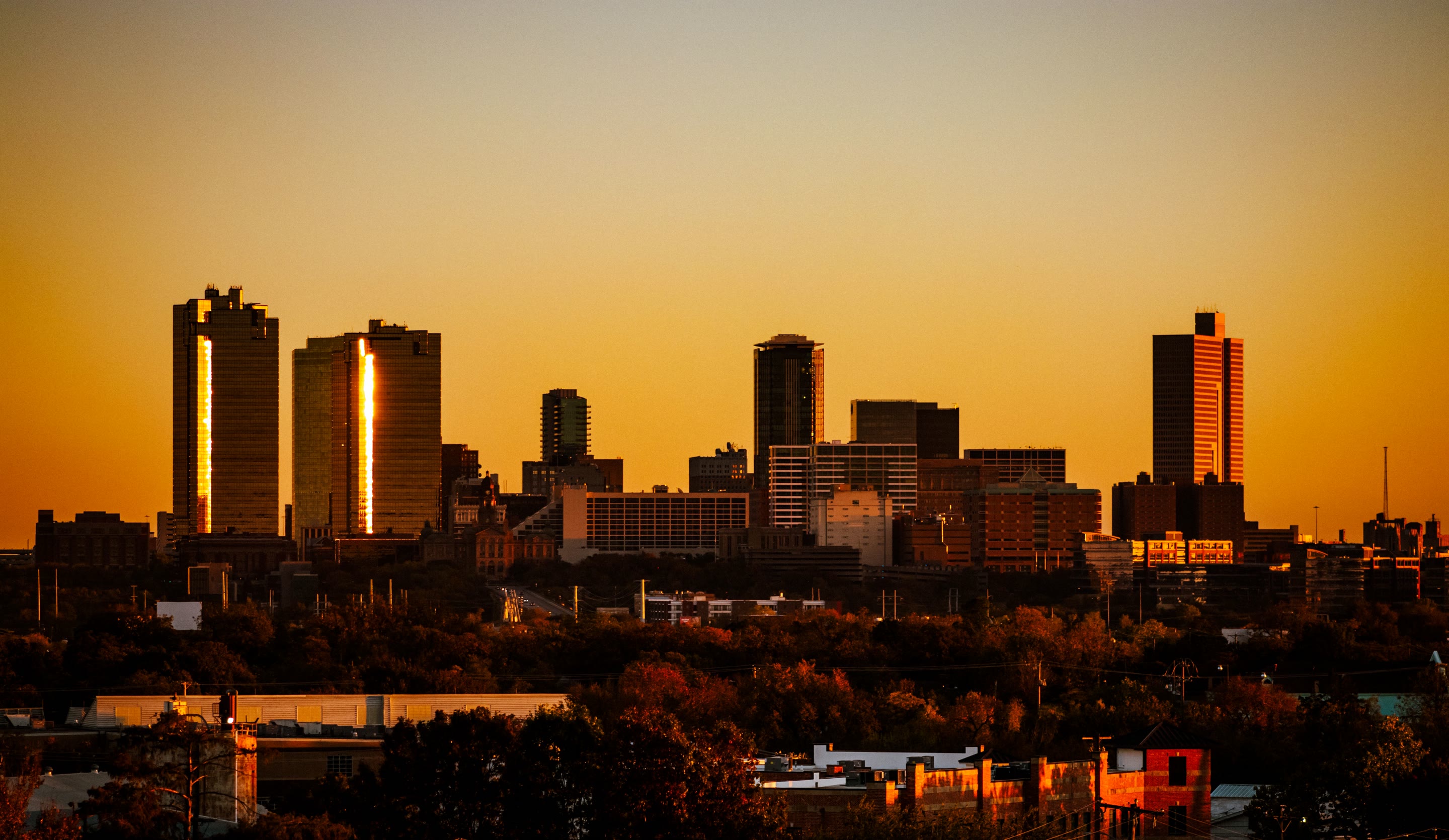
Explore current homes for sale throughout Ridglea and Ridglea Hills, including Ridglea North, Ridglea West, and Ridglea Country Club Estates. Listings range from early cottages and classic brick ranches to architecturally significant midcentury homes, substantial renovations, condominiums, townhomes, golf-course properties, and the rare house overlooking Luther Lake or Bal Lake.
Search All Ridglea ListingsLiving Here
Living in Ridglea and Ridglea Hills

Camp Bowie and Ridglea Village
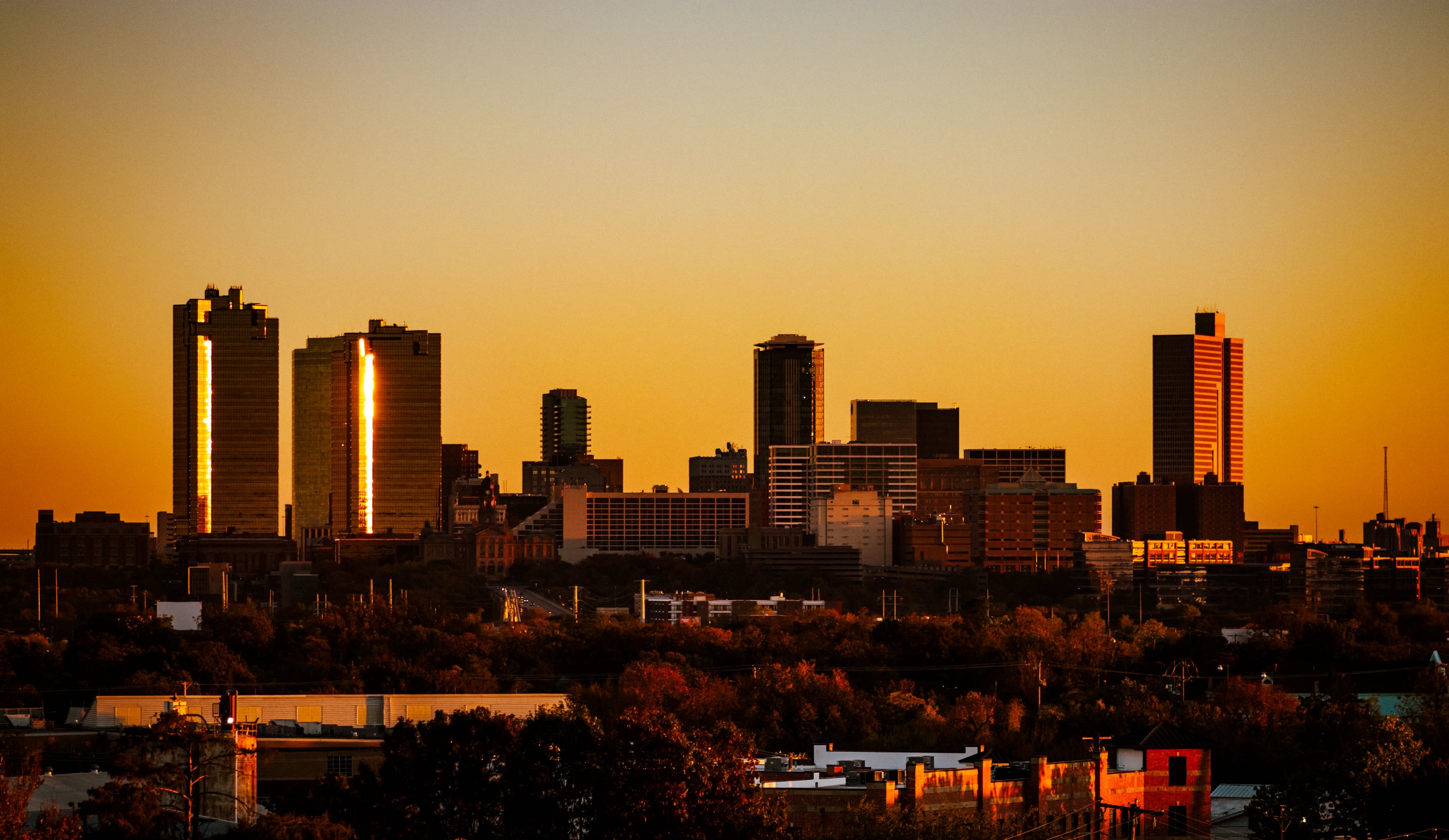
Camp Bowie Boulevard has been Ridglea's main street since the neighborhood developed around it. Ridglea Village, the Ridglea Theater, restaurants, shops, offices, and everyday services line the corridor, with many of them within walking distance of Ridglea North.
Follow Camp Bowie east and it carries you through Arlington Heights and Monticello before reaching the museums of the Cultural District. Head west and Ridgmar and the larger retail corridors around Bryant Irvin are close at hand. It is one of the things Ridglea's original planners got right: the neighborhood was never intended to exist in isolation from the places its residents actually used.

Golf, Parks, and Two Hidden Lakes
Ridglea Country Club's two golf courses put an enormous amount of green space into the middle of the larger neighborhood, with houses overlooking fairways in several sections of Ridglea Hills and Ridglea Country Club Estates. Club membership is private and separate from owning a nearby house.
Ridglea Hills Park provides neighborhood green space and a playground, while Z Boaz Park adds a large off-leash dog park nearby. Then there are Luther Lake and Bal Lake, the two small lakes tucked almost invisibly among the houses. Luther Lake's Christmas lights have become one of those wonderfully local traditions that people who grew up around here simply know.

Close to Everything
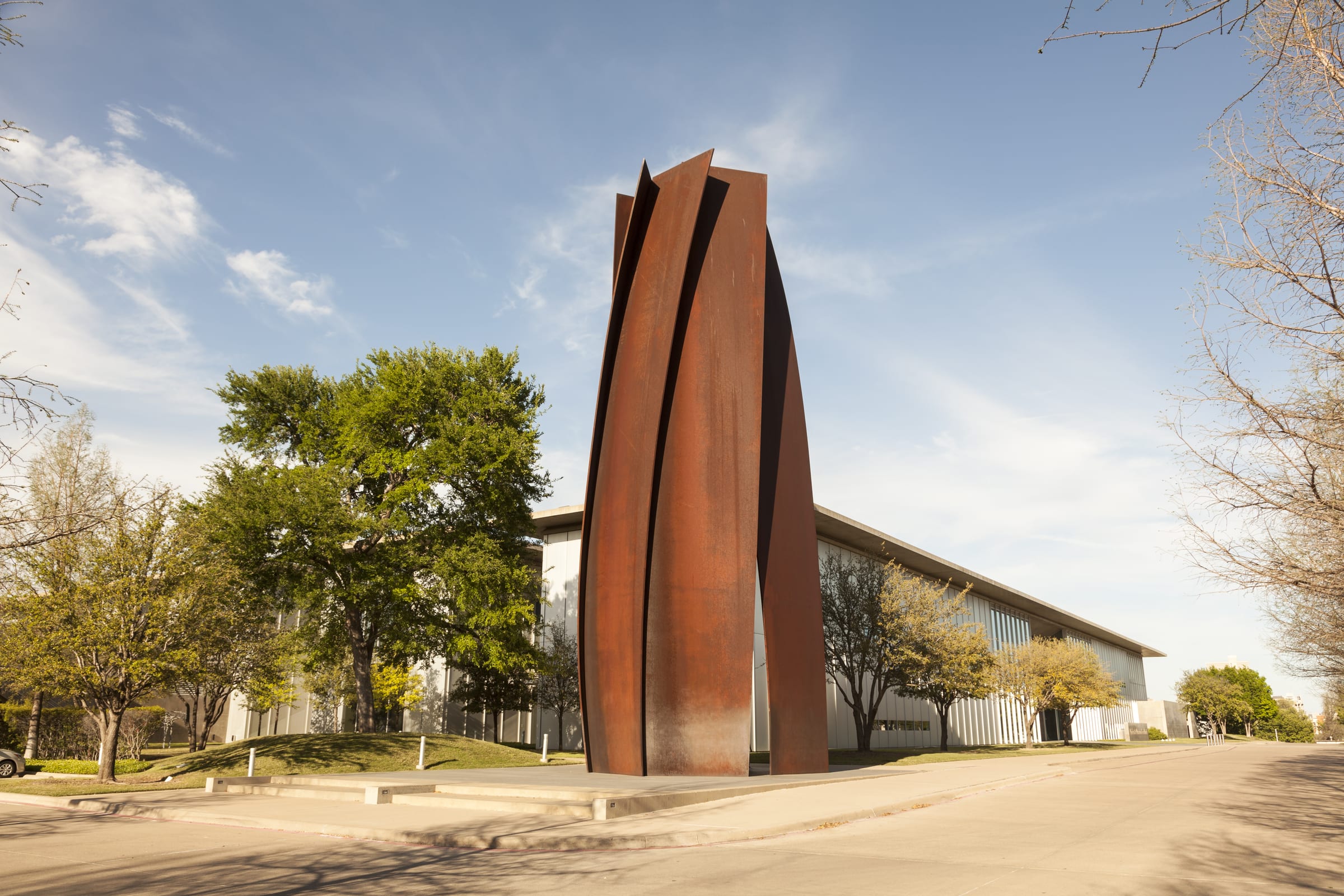
Ridglea feels decidedly residential without feeling far away. The Cultural District, museums, River Crest, and Arlington Heights are immediately to the east, with downtown beyond them. Interstate 30, Highway 183, Bryant Irvin Road, and the Chisholm Trail Parkway make it relatively easy to move north, south, east, or west.
That location is one reason Ridglea has remained so practical as Fort Worth has grown around it. You get the trees, hills, larger lots, and quieter streets of an established neighborhood without giving up easy access to the center of the city.
Schools
Schools Serving Ridglea and Ridglea Hills
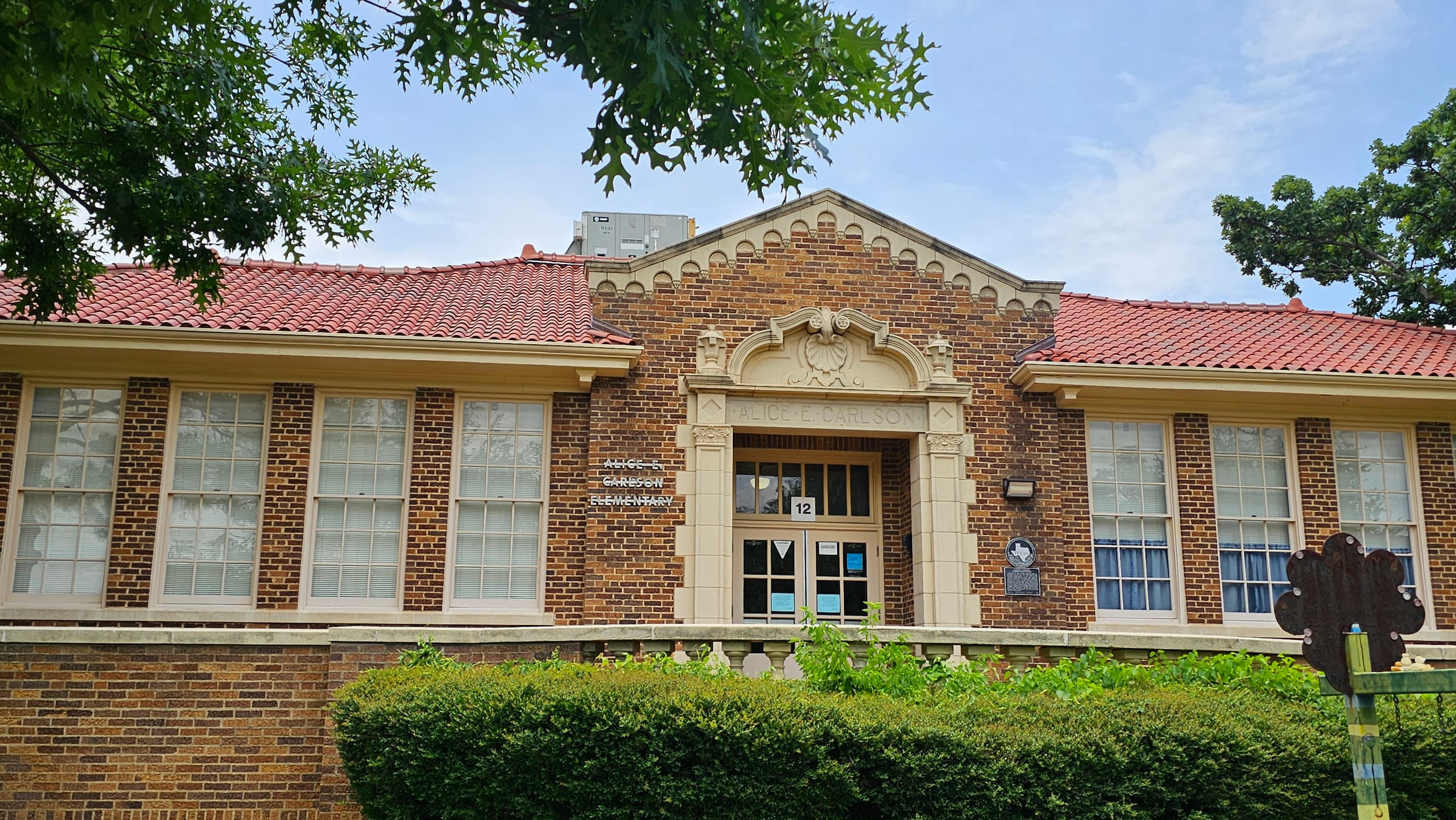
Most Ridglea addresses are served by Fort Worth ISD, with Ridglea Hills Elementary, William Monnig Middle School, and Arlington Heights High School forming a common feeder path for Ridglea Hills. The larger Ridglea area crosses multiple attendance boundaries, however, and Ridglea Country Club Estates even crosses municipal lines, so school assignments should always be confirmed for the individual address.

Ridglea Hills Elementary to Arlington Heights High School
Ridglea Hills Elementary sits right in the neighborhood on Cumberland Road. Its present International-influenced building opened in 1958, with low horizontal lines, buff brick, fieldstone, and many of its original metal windows still visible. From there, many neighborhood students continue to William Monnig Middle School and Arlington Heights High School.
Arlington Heights is one of Fort Worth's historic high schools, serving a broad swath of the west side. Its feeder pattern includes neighborhoods ranging from Ridglea and Arlington Heights to parts of River Crest, which makes it one of the threads connecting otherwise very different west Fort Worth neighborhoods.
Understanding Fort Worth ISD
Fort Worth ISD is currently undergoing significant change. The Texas Education Agency appointed a Board of Managers and a new superintendent in 2026, while the district is also consolidating campuses in response to declining enrollment. Those changes make it particularly important to use current district information rather than relying on an old listing, neighborhood map, or even last year's school assignment.
I also don't put much stock in reducing a school to a single number on a real estate website. State accountability ratings and third-party school websites measure different things and can produce very different pictures of the same campus. For a buyer considering Ridglea, I recommend confirming the assigned schools directly with Fort Worth ISD, reviewing the current Texas Education Agency information, and visiting the campuses that matter to your family. Fort Worth ISD also offers schools and programs of choice beyond a home's traditional attendance zone.
At a Glance
Ridglea at a Glance

4 neighborhoods
What Ridglea Is
A larger west Fort Worth district that includes Ridglea Hills, Ridglea North, Ridglea West, and Ridglea Country Club Estates. The names are sometimes used interchangeably in real estate listings, although the neighborhoods themselves are distinctly different.

6 to 8 mi
Location
West Fort Worth, roughly six to eight miles from downtown, centered along Camp Bowie Boulevard and extending south toward Vickery Boulevard and Southwest Boulevard.

76116
ZIP Code
Primarily 76116

1928
Established
Ridglea North was first platted in 1928 by Morris E. Berney and Bernie L. Anderson. Beginning in the 1940s, A.C. Luther, his brother J.T. Luther Jr., and developer Earl Wilson became central to Ridglea's expansion, with development continuing through the postwar decades.

Midcentury architecture
Housing Character
A varied mix of early cottages, traditional brick houses, postwar ranches, custom midcentury architecture, condominiums and townhomes, later construction, golf-course properties, and a handful of houses overlooking Luther Lake and Bal Lake.

Curving streets
Street Character
More traditional street patterns and smaller lots characterize earlier sections of Ridglea, while Ridglea Hills follows the rolling terrain with curving streets, larger lots, and houses increasingly designed in response to the landscape.

3 campuses
Schools
Primarily Fort Worth ISD. Ridglea Hills Elementary, William Monnig Middle School, and Arlington Heights High School form a common feeder path for Ridglea Hills. Assignments vary within the larger district and should be confirmed by address.

2 private courses
Golf and Recreation
Ridglea Country Club operates two private golf courses on separate campuses, along with tennis, swimming, and pickleball. Ridglea Hills Park, nearby Z Boaz Park, Luther Lake, and Bal Lake add additional green space and recreation.

4 landmarks
Architectural Highlights
A. Quincy Jones' house on Charron Lane, Al Komatsu's Fairfield Gates, Curzon Place with landscape planning by Hare & Hare, and the lost Charles Dilbeck-designed Western Hills Hotel are among the architectural stories woven through the larger Ridglea area.
1950
Camp Bowie Landmark
The Ridglea Theater, designed by Pettigrew and Worley and opened in 1950, remains one of Camp Bowie's most recognizable landmarks.

Fort Worth + Benbrook
Jurisdiction Note
Most of Ridglea is within Fort Worth, while portions of Ridglea Country Club Estates extend into Benbrook. Municipal services, taxes, permitting, and other requirements should be confirmed for the individual property.

River Crest to the east
Nearby
River Crest and Westover Hills to the east, Ridgmar to the northwest, Benbrook to the southwest, with Arlington Heights, the Cultural District, and downtown Fort Worth farther east along Camp Bowie.
Sources: Historic Fort Worth; National Register of Historic Places; Texas Historical Commission; Ridglea Country Club Estates Homeowners Association; Fort Worth ISD; Texas Education Agency; City of Fort Worth. School attendance zones, programs, and accountability ratings are set by the school district and the Texas Education Agency and are subject to change. Buyers should verify current zoning and campus information for a specific address before relying on school information in a real estate decision.
In Pictures
Ridglea and Ridglea Hills
Featured Properties
Related Reading




Questions
Frequently Asked Questions About Ridglea and Ridglea Hills Real Estate
What is the difference between Ridglea and Ridglea Hills?
How much do homes in Ridglea and Ridglea Hills cost?
What kind of houses are in Ridglea and Ridglea Hills?
What schools serve Ridglea Hills?
Why is Ridglea generally less expensive than River Crest or Westover Hills?
Is part of Ridglea in Benbrook rather than Fort Worth?
What should I check when buying a mid-century house in Ridglea?
Are there architecturally significant homes in Ridglea Hills?
What is it like to live in Ridglea and Ridglea Hills?
Who is a real estate agent specializing in Ridglea and Ridglea Hills?
Ridglea is the broader name commonly used for several adjoining west Fort Worth neighborhoods, while Ridglea Hills is one distinct part of it. The larger area also includes Ridglea North, Ridglea West, and Ridglea Country Club Estates. They developed at different times and differ in street pattern, architecture, lot size, and price. Because real estate listings don't always use the names consistently, I search the larger area rather than relying on the neighborhood label alone.
There isn't one particularly useful Ridglea median because the larger district contains several different housing markets. A smaller house in Ridglea North, an original ranch in Ridglea Hills, a renovated custom mid-century house, a golf-course property, and a house overlooking one of the lakes shouldn't be valued as though they are interchangeable. Texas is also a non-disclosure state, making many online estimates less precise than they appear. For a specific house, recent comparable sales from the same section of Ridglea are far more useful than a district-wide average.
Ridglea has a much broader architectural range than its reputation as a 1950s ranch neighborhood suggests. Earlier sections include cottages and more traditional houses, while Ridglea Hills contains classic brick ranches, custom mid-century homes, and some genuinely significant architecture. There are also condominiums, townhomes, later construction, golf-course properties, and a handful of houses overlooking Luther Lake and Bal Lake. The changing architecture is one of the clearest ways to see how the larger neighborhood developed over time.
Many Ridglea Hills addresses follow a Fort Worth ISD feeder path through Ridglea Hills Elementary, William Monnig Middle School, and Arlington Heights High School. Attendance boundaries vary within the larger Ridglea area and can change, so I always recommend confirming the assigned schools for the individual address directly with Fort Worth ISD. The district is currently undergoing significant administrative and campus changes, making current information particularly important.
They are fundamentally different housing markets. River Crest developed earlier around its historic country club, while Westover Hills is a separately incorporated municipality known for large lots and a concentration of architect-designed estate houses. Ridglea offers a broader range of house sizes, lot sizes, architectural types, and price points. That variety can make it a more approachable entry into established west Fort Worth without giving up proximity to Camp Bowie, the Cultural District, and the rest of the west side.
Yes. Most of the larger Ridglea area is within Fort Worth, but portions of Ridglea Country Club Estates extend into Benbrook. That can affect municipal services, taxes, permitting, and other details of ownership. Because the difference isn't always obvious from a listing, the municipality and applicable homeowners association restrictions should be confirmed for the individual property before purchasing.
Start with the systems you would expect to investigate in any Fort Worth house of this age: electrical service, plumbing and waste lines, foundation, roof, HVAC, windows, drainage, and previous additions or renovations. Later mid-century houses may also contain aluminum branch wiring. A sewer scope and appropriate structural and insurance evaluations can be particularly useful.
I would also look carefully before assuming every original feature needs to disappear. Original cabinetry, terrazzo, paneling, tile, windows, courtyards, and even the relationship between rooms can be important parts of a good mid-century house. There is a difference between something that is merely dated and something architecturally worth keeping.
Yes. Ridglea and Ridglea Hills contain work associated with architects of both local and national importance. A. Quincy Jones designed the remarkable house at 4167 Charron Lane, originally with interiors by William "Billy" Haines, while Fort Worth architect Al Komatsu designed Fairfield Gates. The larger Ridglea story also includes Curzon Place and the now-demolished Western Hills Hotel by Charles Dilbeck. For anyone interested in mid-century architecture, Ridglea deserves considerably more attention than it usually receives.
Ridglea combines an established residential neighborhood with unusually convenient access to the rest of west Fort Worth. Camp Bowie provides restaurants, shops, services, and the Ridglea Theater, while Ridglea Country Club, neighborhood parks, and the lakes add substantial green space. The Cultural District is only a few miles east, and parts of Ridglea North are genuinely walkable to the Camp Bowie corridor.
Susanna Gorski Bartolomei is a fifth-generation Fort Worth native and Broker Associate with Compass who has represented buyers and sellers throughout Ridglea, Ridglea Hills, and west Fort Worth since 2012. With a bachelor's degree in History of Art and Architecture from Middlebury College and a master's degree in the History of Art from The University of Texas at Austin, she brings an architectural perspective particularly useful in a neighborhood where original design, renovation quality, lot, and exact location can materially affect value.
Her practice includes historic and architecturally significant homes, traditional residential sales, discreet transactions, and relocation throughout Fort Worth. To discuss buying or selling a home in Ridglea or Ridglea Hills, call (817) 602-5465 or email sgb@compass.com.
Buy or Sell in Ridglea and Ridglea Hills
Susanna Gorski Bartolomei represents buyers and sellers throughout Ridglea, Ridglea Hills, Ridglea North, Ridglea West, and Ridglea Country Club Estates, alongside River Crest, Westover Hills, Monticello, Crestwood, Tanglewood, and the rest of west Fort Worth.
A fifth-generation Fort Worth native and Broker Associate with Compass, she has worked in real estate since 2012 and brings a background in art and architectural history to a part of the city where the differences between two houses can be far more important than their square footage suggests. From an original Ridglea North cottage to a custom mid-century house in the hills, understanding architecture, renovation quality, lot, street, and the history of the neighborhood itself is part of understanding value.
Her practice includes historic and architecturally significant homes, traditional residential sales, discreet transactions, and relocation throughout Fort Worth. To discuss buying or selling a home in Ridglea or Ridglea Hills, call (817) 602-5465 or email sgb@compass.com.
Agent
Susanna Gorski Bartolomei
Title
Broker Associate, Compass Real Estate
Phone
(817) 602-5465Office
5049 Edwards Ranch Road, Suite 200, Fort Worth, TX 76109
Hours
Monday to Friday, 9:00 am to 5:00 pm. Saturday and Sunday by appointment
Languages
English and French
Website
SusannaFortWorth.com
TREC License
0619175