
River Crest and Westover Hills Homes for Sale
River Crest and Westover Hills are often mentioned in the same breath, but these neighboring communities offer two very different versions of west Fort Worth. River Crest was thoughtfully planned around River Crest Country Club, with beautiful homes spanning more than a century of architectural styles and a neighborhood that still feels very much lived in. Westover Hills is its own tiny town, where just 277 homes sit among winding streets, large lots, mature trees, and some truly exceptional residential architecture. Both have long been among Fort Worth's most sought-after places to live, but what makes each one special is entirely its own.
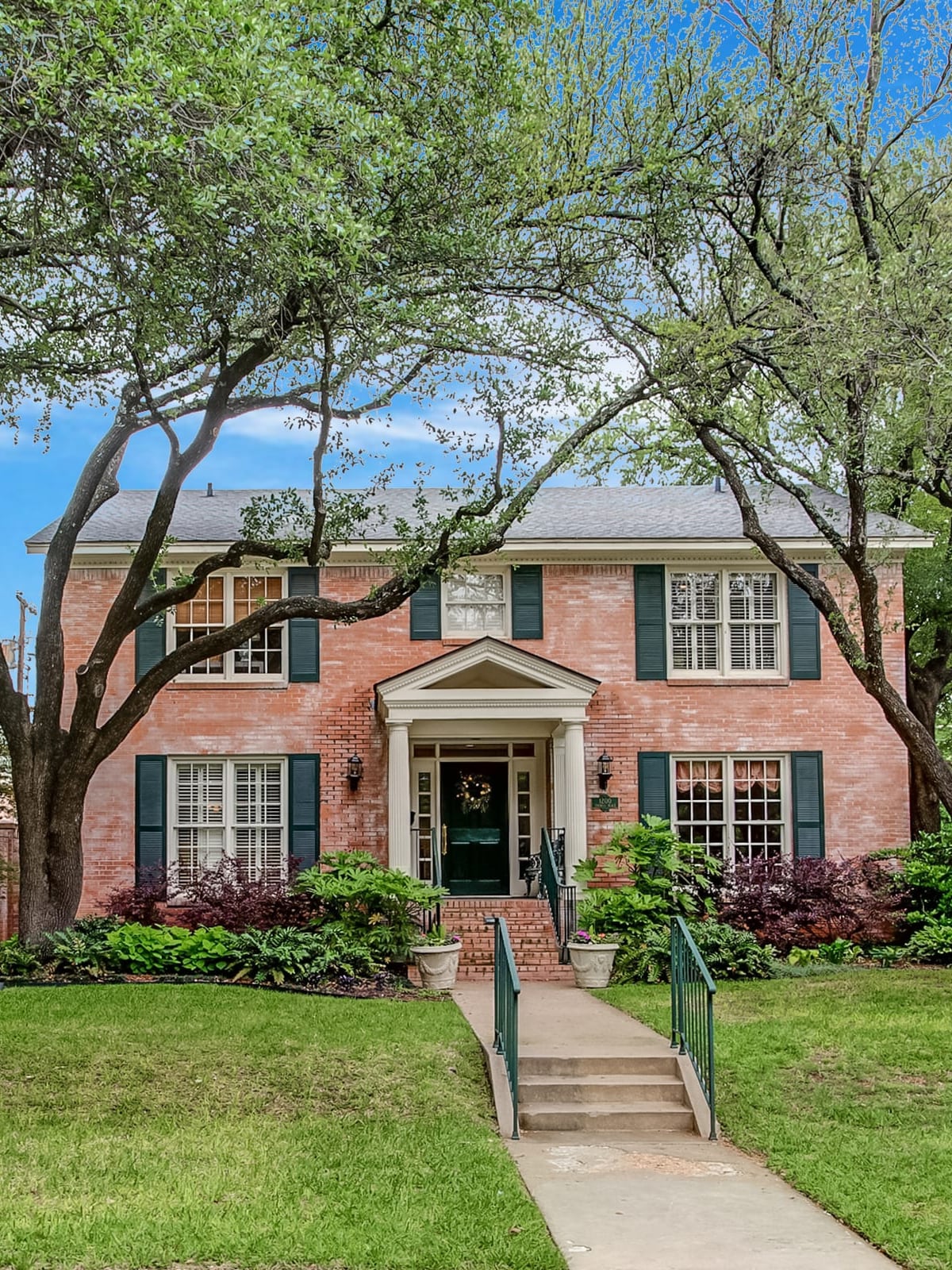

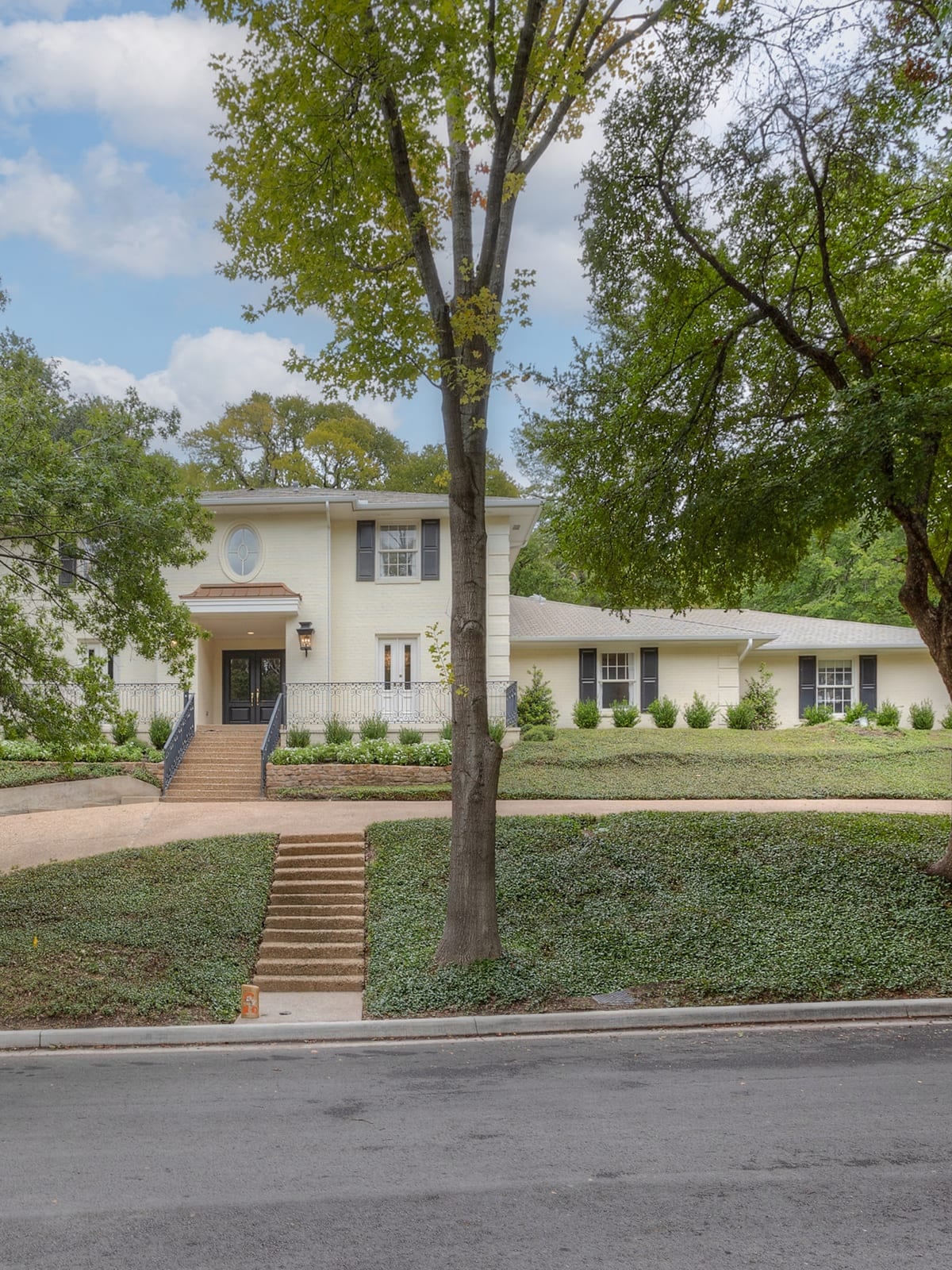
River Crest and Westover Hills | Side by Side, Entirely Their Own

River Crest | Around the Country Club

River Crest and Westover Hills sit side by side on Fort Worth's west side, close enough that buyers looking in one will almost always look in the other. Both are established, beautiful, and remarkably close to downtown and the Cultural District. But spend a little time in them and they do not feel particularly alike.
River Crest feels like a neighborhood in the truest sense of the word. It was thoughtfully planned around River Crest Country Club, and more than a century later, the golf course still gives the neighborhood its center. Early in the morning, you will see people walking their dogs around the course. In the evening, neighbors are out for a walk under the mature trees. There are children on bikes, games of flag football on Thanksgiving, and, on the few snow days Fort Worth still gets, kids sledding down the hills. It is established without feeling overly formal, and that has always been part of its charm.
The Houses of River Crest

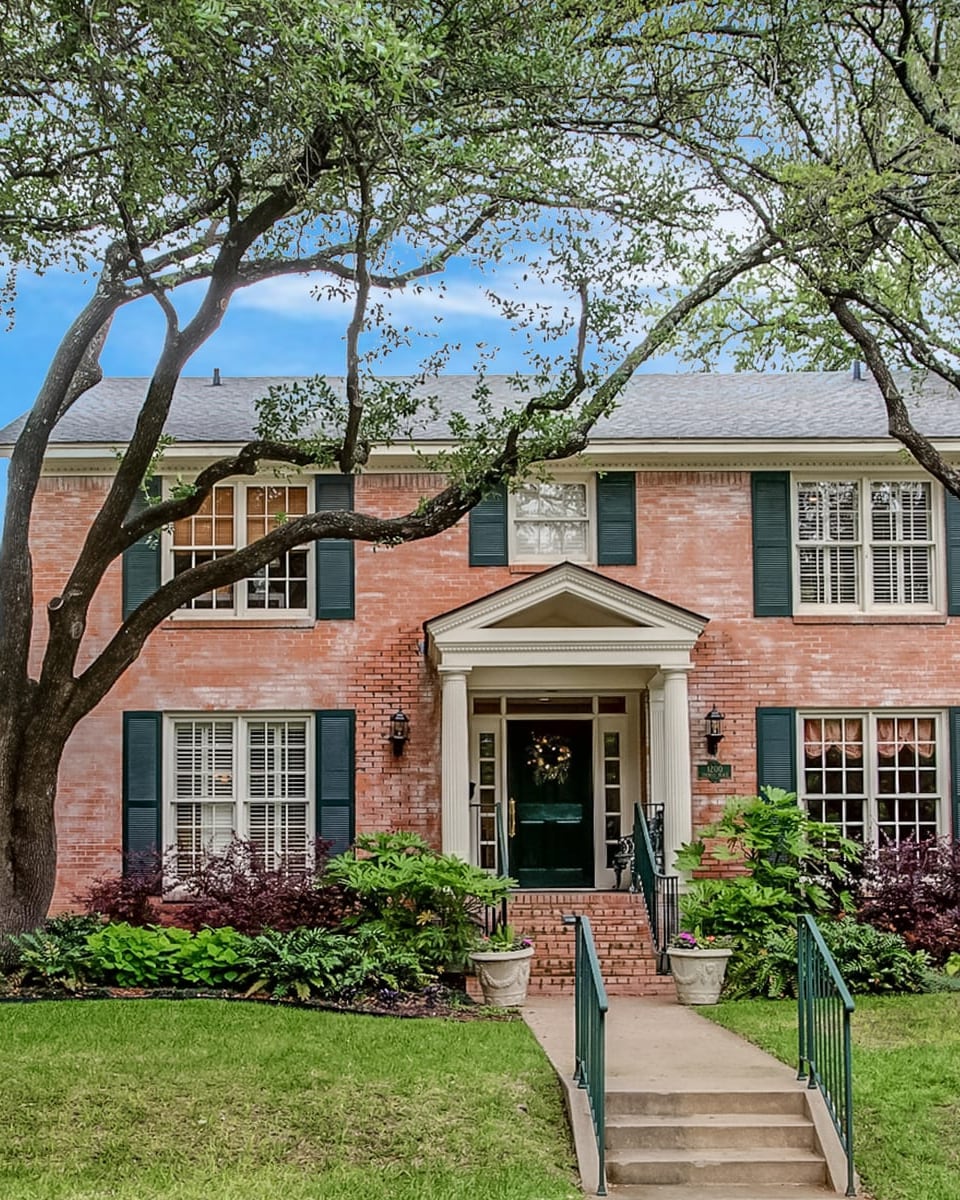
The houses tell the same story. River Crest has grown and changed for more than a century, leaving it with a beautiful combination of old and new. Tudor Revival, Mediterranean, Colonial Revival, Craftsman, ranch, and modern homes share streets with thoughtful new construction. Lots change in size and character from one block to the next, with deep lawns and unusually generous properties in places. Some of the older houses even have that great Fort Worth rarity: a basement.
There is not one kind of River Crest house, and I think that is one of the reasons the neighborhood has aged so well.
Origins of River Crest and Its Name

That variety was there almost from the beginning. In 1910, a group of Fort Worth businessmen formed the River Crest Company and purchased more than 600 acres west of town. River Crest Country Club opened the following year, with residential home sites included in the plan from the start. It was one of the earliest examples in Texas of developing a residential community around a country club. Tom Bendelow designed the original golf course, and A.W. Tillinghast revised it in 1921.
Even the name carries a little Fort Worth history and a little Fort Worth confusion. River Crest, Rivercrest, and Crestline all appear depending on whether you are looking at neighborhood designations, legal additions, maps, or real estate records. Most of us simply call the neighborhood River Crest. When buying or selling a house, however, the distinctions can matter. Nearby additions run together visually, while two properties that appear to belong to the same neighborhood may not be the right comparables at all. In River Crest, understanding the individual street, lot, and legal addition can tell you far more than a neighborhood label.
Crossing Into Westover Hills

Cross into Westover Hills and the change is not dramatic. It is quieter than that.
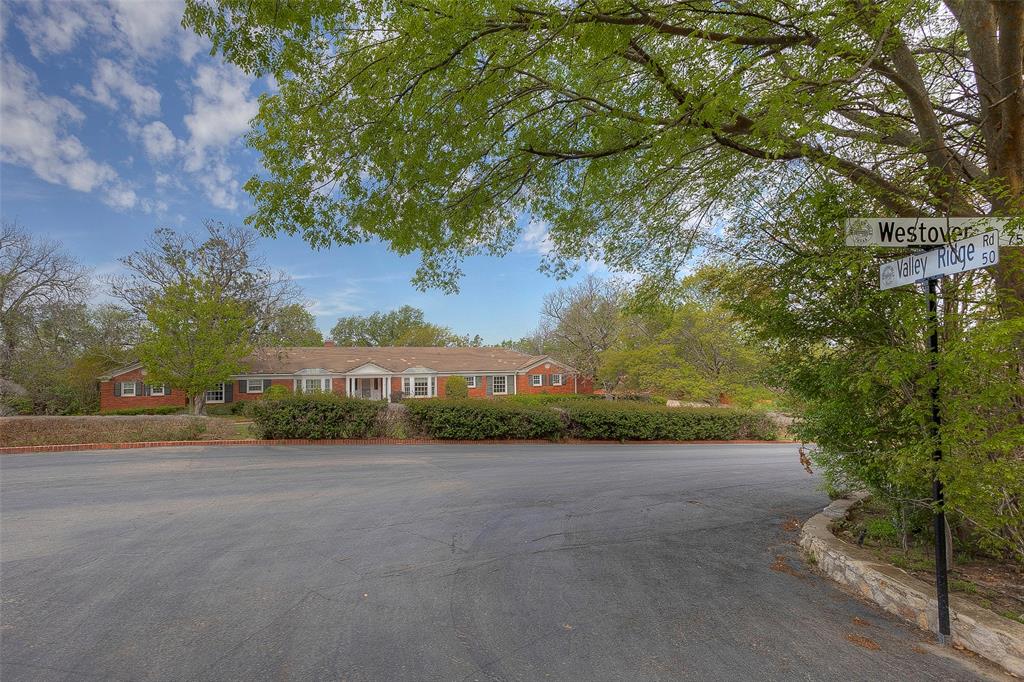
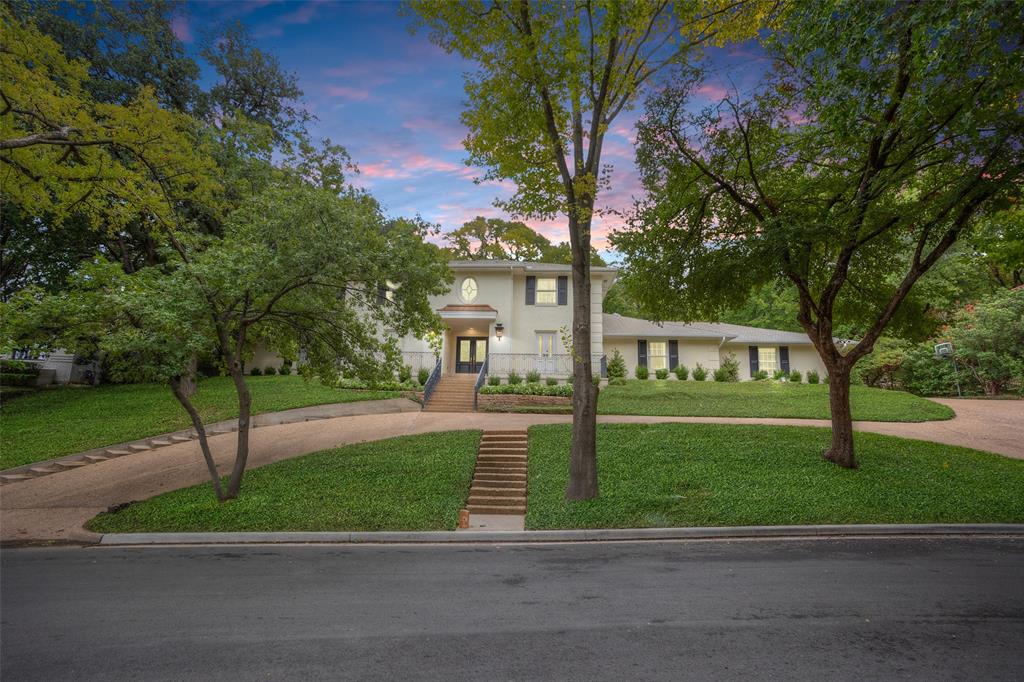
The streets wind a little more. Lots grow larger. Houses tend to sit farther back from the road, often behind mature trees and landscaping that has been growing for generations. There is a sense of privacy here that is increasingly difficult to find so close to the center of Fort Worth.
Westover Hills | A Town of Its Own
Westover Hills is also quite literally its own little town. Incorporated in 1939, it covers less than a square mile and contains just 277 homes, with its own mayor and council, police department, ordinances, and permitting. You can leave a house in River Crest and arrive at one in Westover Hills a few minutes later, but buying there means becoming a resident of a separate municipality rather than the City of Fort Worth.
Amon G. Carter and Generations of Homes
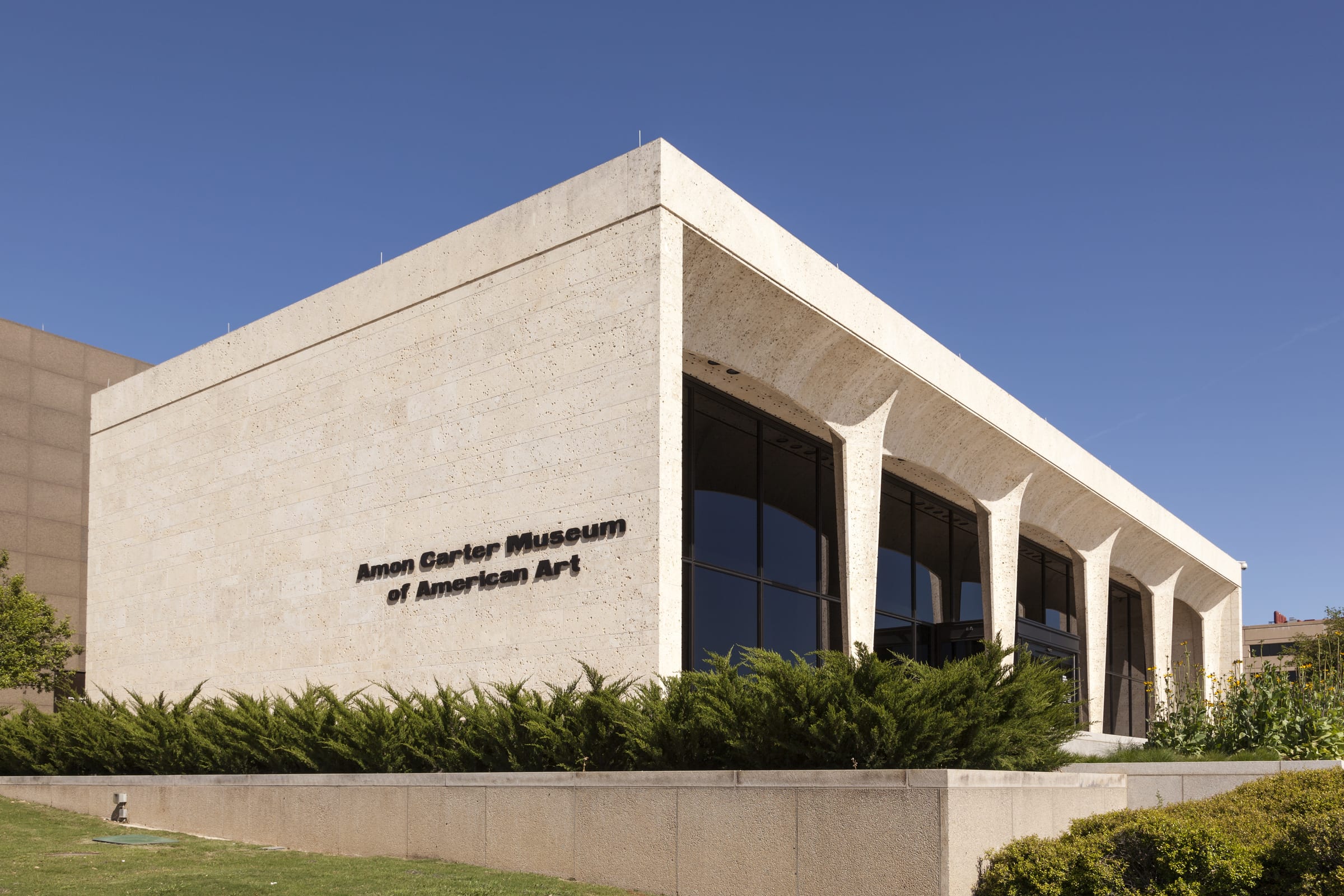
Much of the land that became Westover Hills had once belonged to Amon G. Carter, the legendary Fort Worth Star-Telegram publisher whose name is now attached to the Amon Carter Museum of American Art. The first plats were drawn in 1929, development began in the early 1930s, and homes continued to be added over the following decades.
That gradual development gave Westover one of the things I love most about it. There is no Westover house. Instead, individual families commissioned homes over generations, creating an extraordinary collection of residential architecture that no single developer could have produced and no single style can describe.
What to Love
The Details That Make River Crest and Westover Hills Their Own
Two Neighborhoods, Two City Halls
River Crest is part of the City of Fort Worth, while Westover Hills is its own incorporated town, with its own mayor and council, police department, ordinances, permitting, and municipal property tax rate. You can tour homes in both within a few minutes, but buying in one or the other means a different city hall, different permitting requirements, and a different municipal tax structure. It is a small geographic distinction that can make a meaningful difference when deciding where to buy.
Where the Club and Neighborhood Began Together

River Crest Country Club opened on May 6, 1911, as the eighth country club in Texas and the first in the state to include residential home sites as part of its development. Opening day included a golf tournament, a barbecue for 500 guests, and the sale of home sites surrounding the new club. Tom Bendelow designed the original course, which A.W. Tillinghast revised in 1921. More than a century later, that original idea of building a neighborhood around the club still shapes River Crest today.
A Neighborhood That Still Feels Like One
River Crest may contain some extraordinary houses, but what I love is how wonderfully normal life around them can feel. There are morning dog walkers, children on bikes, evening walks around the course, Thanksgiving football games, and, when Fort Worth occasionally gives us enough snow, sledding on the hills. Beautiful architecture matters to me, but so does the life that happens around it. River Crest has both.
The Great Fort Worth Rarity: A Basement
Basements are unusual enough in Fort Worth that finding one always feels a little surprising, but they appear in many of River Crest's older homes. Some remain wonderfully utilitarian, while others have become wine cellars, media rooms, storage, or additional living space. They are a small architectural reminder that River Crest developed differently from much of the city around it.
I. M. Pei, the Burnetts, and a Fort Worth Legacy

Westover House on Shady Oaks Lane was designed by I. M. Pei for Anne Burnett Tandy, granddaughter of legendary rancher Samuel Burk Burnett, and her husband Charles Tandy. Completed in 1969, the house is one of only three private residences attributed to Pei and was designed as much for art and entertaining as everyday life. Its dramatic garden room was inspired in part by Boston's Isabella Stewart Gardner Museum. Anne's daughter, Anne Windfohr Marion, later made the house her home, carrying forward a family legacy that stretched from the Four Sixes Ranch to some of Fort Worth's most important cultural institutions. Marion became a transformative patron of the Modern Art Museum of Fort Worth and the driving force behind its Tadao Ando-designed building. In one Westover Hills house, you can trace an extraordinary line through Fort Worth's ranching, architecture, art, and philanthropy.
Paul Rudolph, Russell Page, and the Bass House
On Shady Oaks Lane, Paul Rudolph designed the Sid and Anne Bass House, the largest of his private residential projects and one of the most ambitious houses of his career. The architecture was paired with gardens by celebrated British landscape designer Russell Page, creating a remarkable relationship between the house, landscape, and the Bass family's important art collection. Works collected by Sid and Anne Bass included paintings by Rothko, Monet, and Degas, several of which were part of a landmark Christie's sale in 2022. Together, the architecture, gardens, and art tell a larger story about the extraordinary level of cultural patronage that has long existed quietly in Fort Worth.
Van Cliburn, the Kimbells, and a Little Westover Lore
Before it became Van Cliburn's longtime home, the great Tudor Revival house at the end of Westover Road belonged to Fort Worth collectors Velma and Kay Kimbell, who lived there while building the collection that would become the foundation of the Kimbell Art Museum. Cliburn purchased the estate in 1986 and made it his home for decades. My grandmother always told me that the house included Prohibition-era tunnels once used for smuggling liquor, something in which she assured me she never indulged. Whether every bit of the story can be documented is another matter, but a little mystery feels entirely appropriate for one of Westover's most storied homes.
Bluffs, Hillsides, and River Views
Fort Worth may not be known for its hills, but you would never know it driving through River Crest and Westover. River Crest rises above the Trinity River along its northern edge, with bluff lots, changing elevations, and beautiful views across the river valley. Westover takes the topography even further, with winding streets and houses tucked into hillsides and mature trees. It is one of the reasons the lots in both neighborhoods can feel so individual. The land itself has a say in how each house sits.
Hidden Road to the Trinity
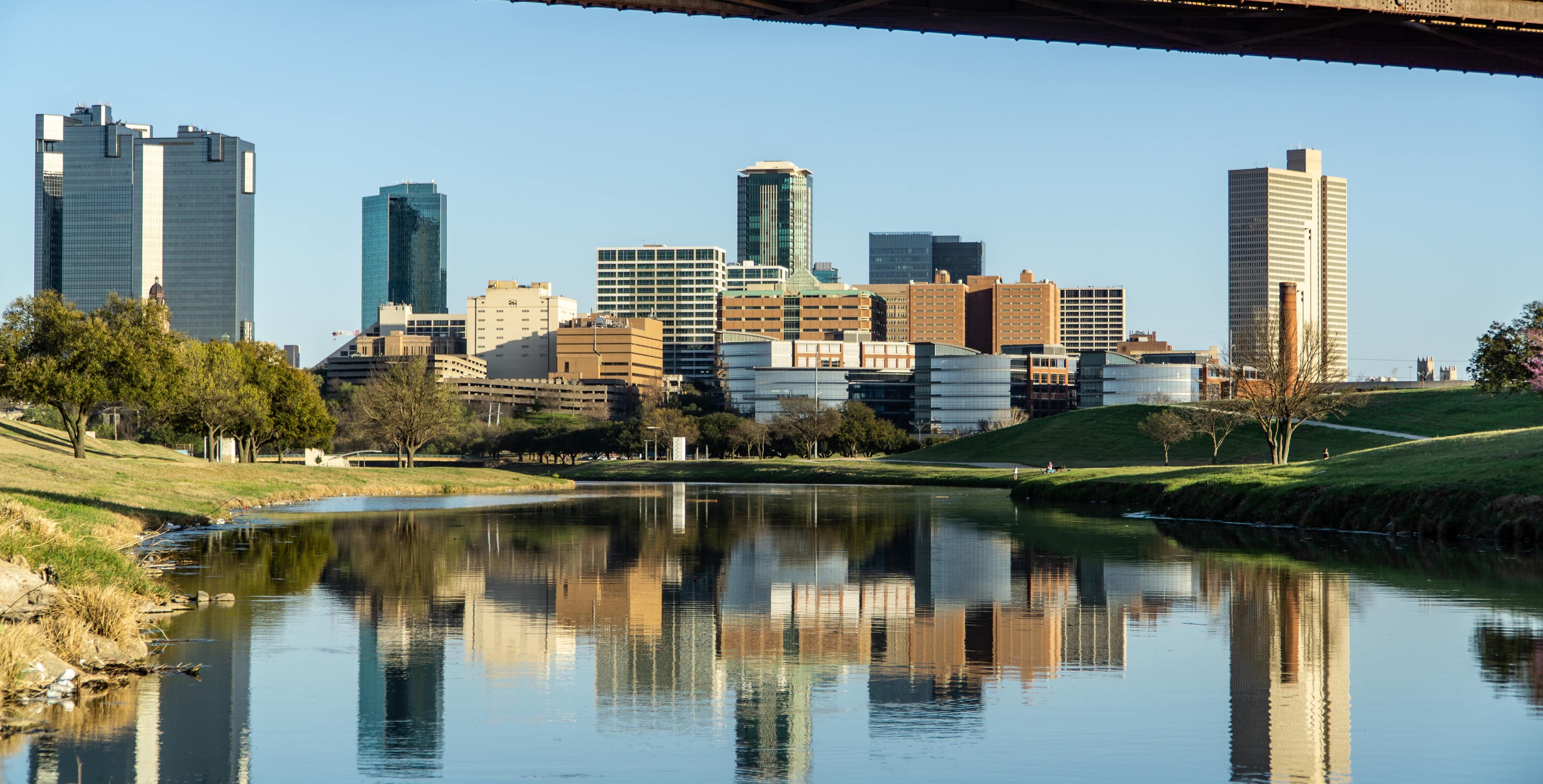
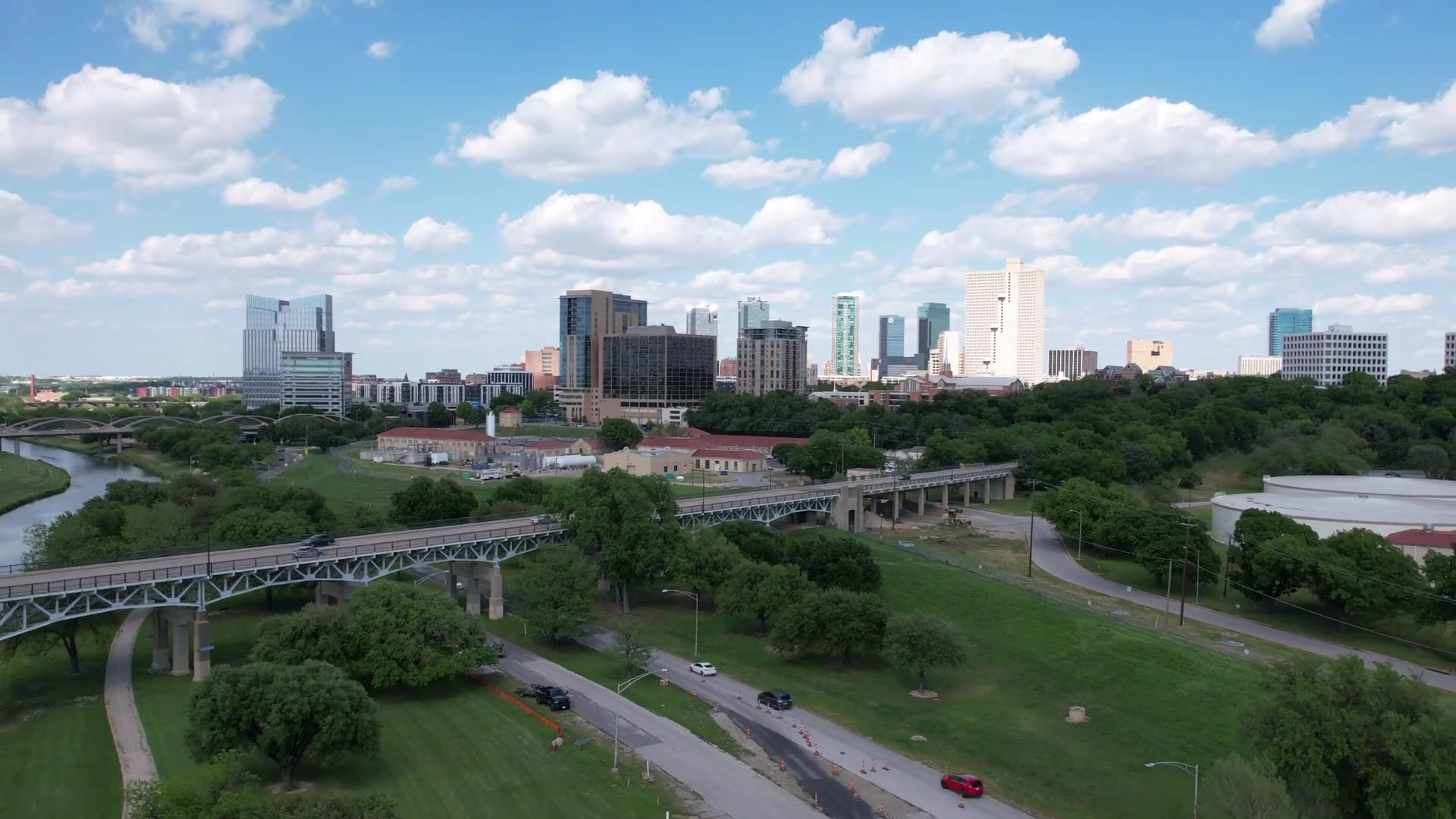
The Trinity River runs along River Crest's northern edge, where the neighborhood rises above the river valley. Hidden Road winds down the bluff to a trailhead for the Trinity Trails, giving the neighborhood direct access to miles of trails connecting parks, the Cultural District, downtown, and the river. I love that one of River Crest's most tucked-away streets leads you straight into one of Fort Worth's best outdoor spaces. It is the kind of connection you might never know was there unless someone showed you where to turn.
Ben Hogan and Shady Oaks Country Club
Just beyond Westover Hills, Shady Oaks Country Club is inseparable from the story of Fort Worth golf and Ben Hogan. Hogan helped establish the club in the late 1950s and made Shady Oaks his home course, practicing there for decades. Its quiet, wooded setting and golf history make it an important part of the landscape surrounding River Crest and Westover Hills.
Fort Worth, Playing Itself

River Crest has become a familiar backdrop in Taylor Sheridan's Fort Worth productions, with neighborhood homes and River Crest Country Club appearing on screen in Landman and Lioness. There is something wonderfully Fort Worth about watching a television series and recognizing a club entrance, a familiar street, or a house you have driven past a hundred times. Sheridan's productions have used locations throughout the city, but River Crest requires very little movie magic. It already looks the part.
Close to the Fort Worth I Love

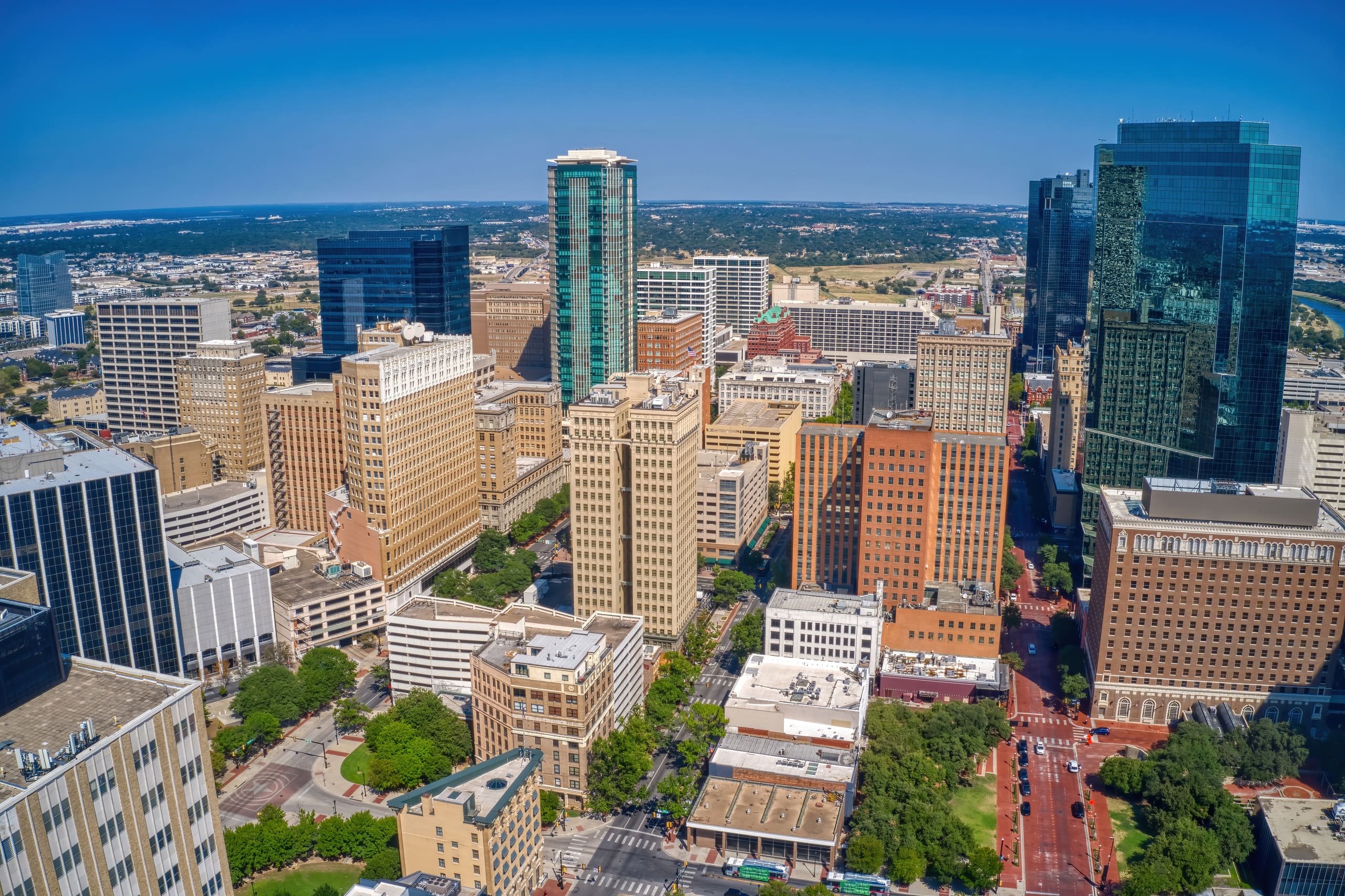
For all their mature trees, generous lots, and sense of privacy, River Crest and Westover Hills are remarkably close to the heart of Fort Worth. The Kimbell, the Modern, the Amon Carter, the Fort Worth Botanic Garden, and Will Rogers Memorial Center are just minutes away in the Cultural District. Camp Bowie's shops and restaurants are nearby, with downtown Fort Worth just beyond. It is one of the things I love most about this part of town. You can have space and quiet without feeling removed from the city.
Property Types
River Crest vs. Westover Hills | How the Two Differ
Same corner of the city, same buyer looking at both, and two quite different purchases. Here is where they diverge.

River Crest | The Bluff and the Club Streets
Some of River Crest's most distinctive properties follow the northern bluff and the streets surrounding River Crest Country Club. Along the bluff, changing elevations, irregular lots, and long views across the Trinity River valley give the houses a relationship to the landscape that is unusual in Fort Worth. Around the course, golf frontage creates another kind of setting, with houses oriented toward fairways and greens rather than simply the street. These are two of River Crest's most distinctive locations, and in both, the lot, the view, and the way the house sits on the land matter every bit as much as the house itself.

River Crest | The Eastern Streets Toward Camp Bowie
As the neighborhood runs south and east toward Camp Bowie Boulevard, the terrain flattens and the street pattern tightens. Lots are smaller and more regular, and the housing mixes Colonial Revival, ranch, and newer traditional construction with some 1920s stock. This is where River Crest's entry pricing sits, and it is the part of the neighborhood that trades most like the neighboring Monticello and Country Club Heights market. It is also the most liquid section of the neighborhood, and the usual landing place for buyers priced out of the bluff.
River Crest | Historic Houses and Basements
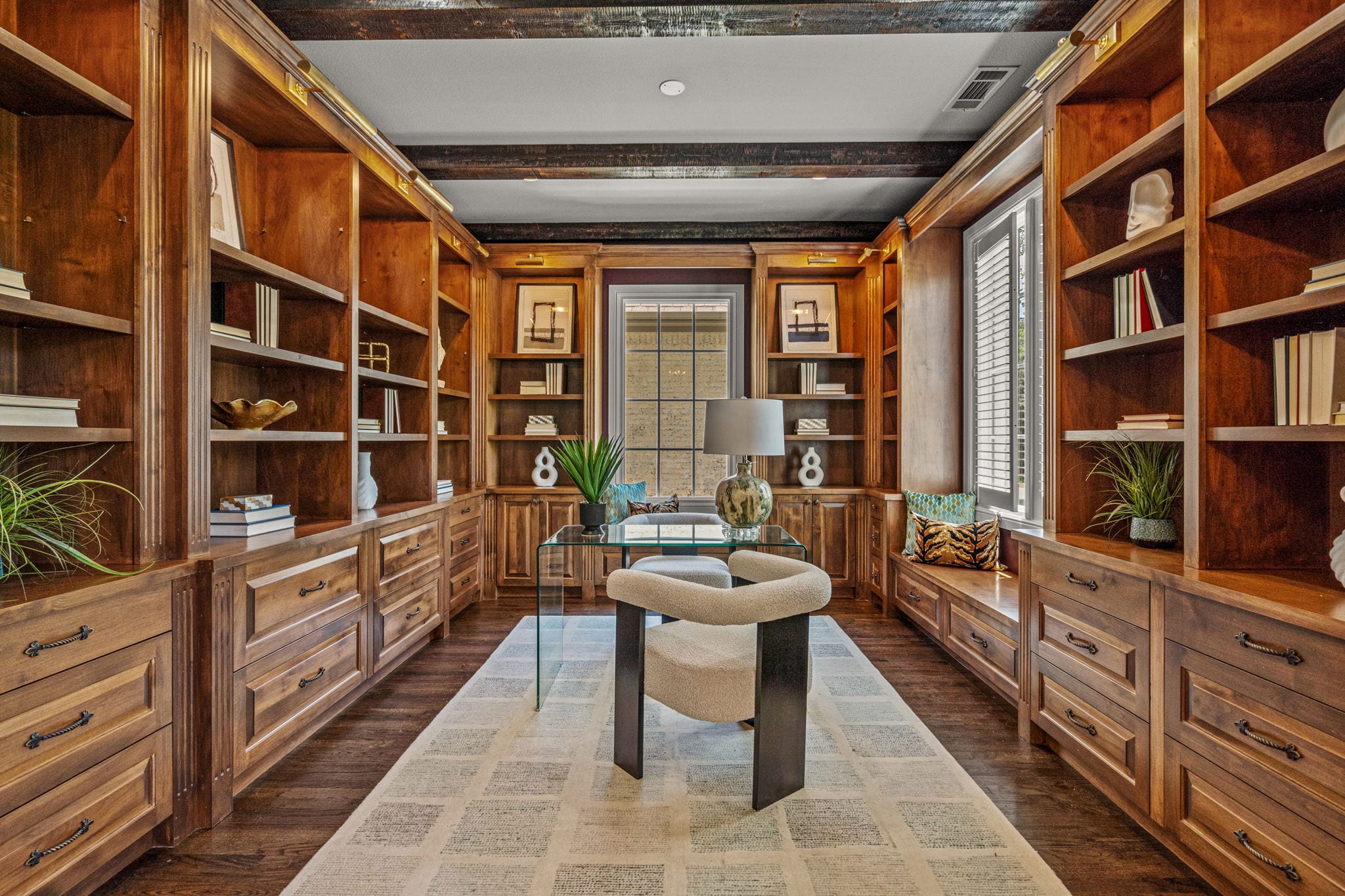
River Crest holds a substantial group of houses from the early twentieth century, including three historically recognized homes along Crestline Road alone: the Smith-Burnett Home, the Henry M. Williams Home, and the Baldridge House. Their histories are tied to some of the families who helped shape early Fort Worth, and they are part of a much larger collection of older houses throughout the neighborhood. Original windows, plaster, slate or tile roofs, early electrical and plumbing systems, and basements can all affect inspection, insurance, and the cost of future work. The value question is rarely square footage alone. It is how much original fabric survived, how sympathetically the house has changed over time, and whether the work that came later respected what was there to begin with. Two houses of the same age and footprint on the same street can be worth substantially different amounts for that reason alone.

Westover Hills | Architect-Designed Estate Houses
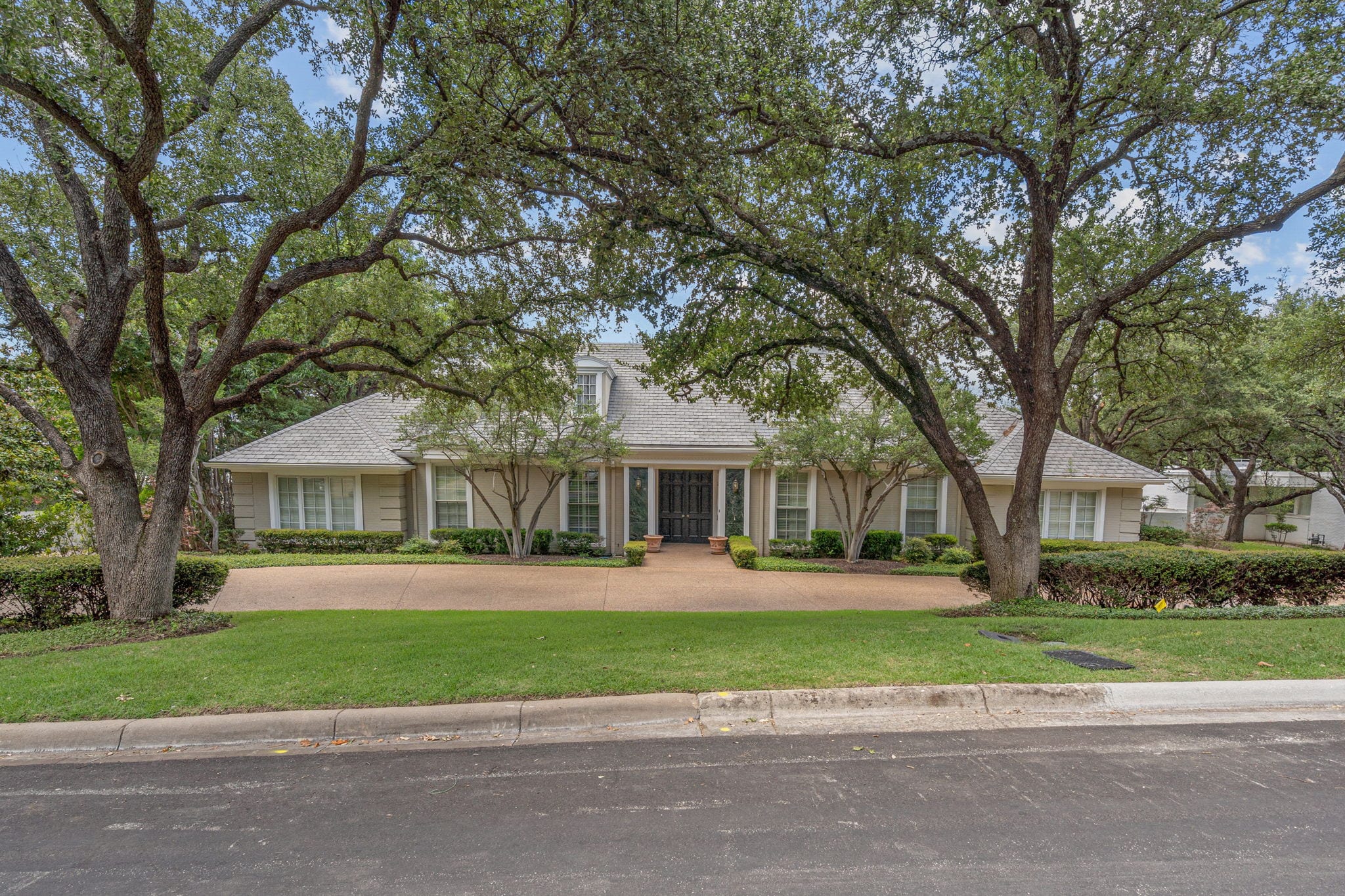
The core of the Westover Hills market is houses commissioned individually from architects across several generations, which is exactly why there is no single Westover house. Colonial Revival, Midcentury Modern, and contemporary all appear, frequently within a block of each other, and many are set well back and screened by walls or mature landscaping. Because these houses were designed for specific sites and specific families, comparables are harder to draw than in almost any other Fort Worth market. Square footage and bedroom count will not get you to a defensible number. Architect, condition, siting, view, and lot are what move value here, and getting that judgment right is the whole exercise.
Westover Hills | Land and Renovation Projects
A recurring transaction in Westover Hills is the purchase of an older house in dated condition where much of the value sits in the site. If that is the plan, model the project before making the offer rather than after. Confirm what the Town of Westover Hills permits, what approvals are required, how long they take, and what the setback, height, tree, and drainage rules are. On hilly ground, grading and drainage are not minor line items. A buyer who prices the land correctly and the approvals incorrectly has still overpaid.
Two Things I Always Check
First, the name and the plat, which applies to River Crest. Because River Crest, Rivercrest, Crestline, and Crestline Area are used interchangeably, and because the Monticello and Country Club Heights additions run right up against the neighborhood, comparables are easy to get wrong. I want to know the platted addition for the house itself and for every comparable used to price it. Second, which city you are actually in, which applies to both. Ask early what the combined tax rate is on the specific parcel, what the governing city requires for any work you intend to do, and who provides water, sewer, and refuse service at that address. The answers differ between the two, and all of them are easier to establish before making an offer.
Comparison
River Crest and Westover Hills | Side by Side
School attendance boundaries are set by the district and should be verified for a specific property.

Available Homes
Available Homes in River Crest and Westover Hills
Browse current River Crest homes for sale, including listings filed under Crestline and Rivercrest, alongside Westover Hills. Inventory in both is limited and a meaningful share of what trades never reaches a public listing, so register for alerts to hear about properties early.
Get River Crest and Westover Hills AlertsLiving Here
Living in River Crest and Westover Hills

The Clubs and the Greenbelt
River Crest Country Club has been the social center of its neighborhood since 1911, with golf, tennis, a pool, and dining. Shady Oaks Country Club sits just beyond Westover Hills and is the club most closely associated with that town. Both are private, and membership at either is entirely separate from buying a house nearby, including for houses that front a course. If joining is part of your plan, ask about the process early in the search rather than assuming it follows the purchase. Along Crestline Avenue, a landscaped greenbelt runs through River Crest under mature trees and serves as the everyday walking and running route for the surrounding streets.
Camp Bowie and Everyday Errands
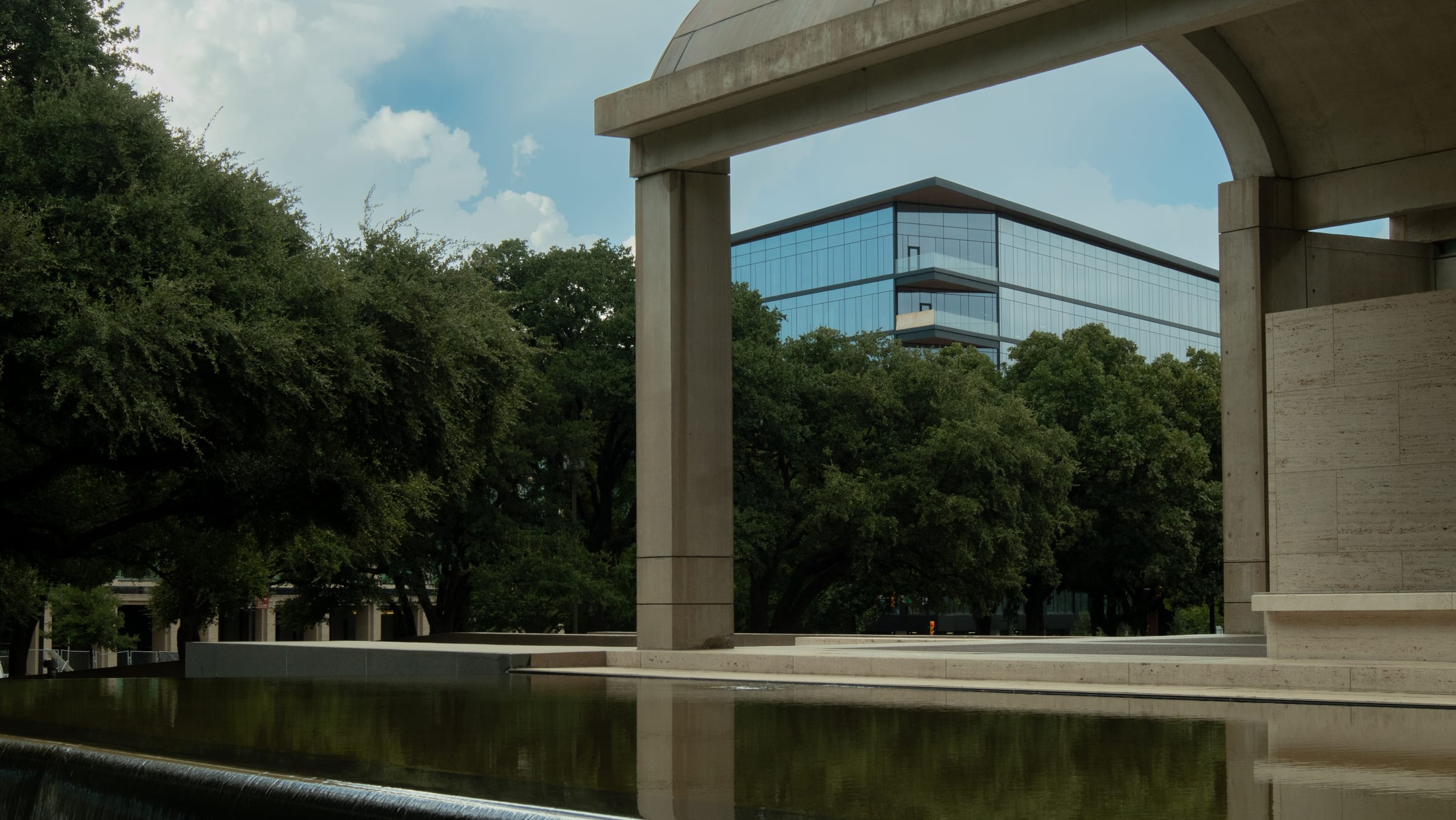
Camp Bowie Boulevard runs along the southern edge of River Crest and is where most of the everyday life of this part of Fort Worth actually happens. It is still paved in Thurber brick and still lined with independent operators, with more than 700 mostly locally owned businesses along roughly six miles between Montgomery Street and Irene Street.
Blue Bonnet Bakery has been on the boulevard since 1934 and now bakes inside a converted 1920s church at 4705 Camp Bowie. Kincaid's Hamburgers has been grilling at 4901 Camp Bowie since the 1960s, in the old grocery-store space where the burger was invented. Lucile's Stateside Bistro has held the triangular building at 4700 Camp Bowie since 1993. Winslow's Wine Cafe occupies a former Camp Bowie gas station and does pizza, New American plates, and wine by the glass beside a fire pit.
Inside River Crest itself, the small commercial corner at Merrick Street lost its long-standing neighborhood market at the end of May 2026 and is awaiting a new concept, so at present the everyday errand run is a short drive rather than a walk. Beyond Camp Bowie, the Cultural District and the West 7th corridor are a few minutes southeast, and University Park Village and The Shops at Clearfork are the nearer full shopping centers.

Parks, Trails, and the River
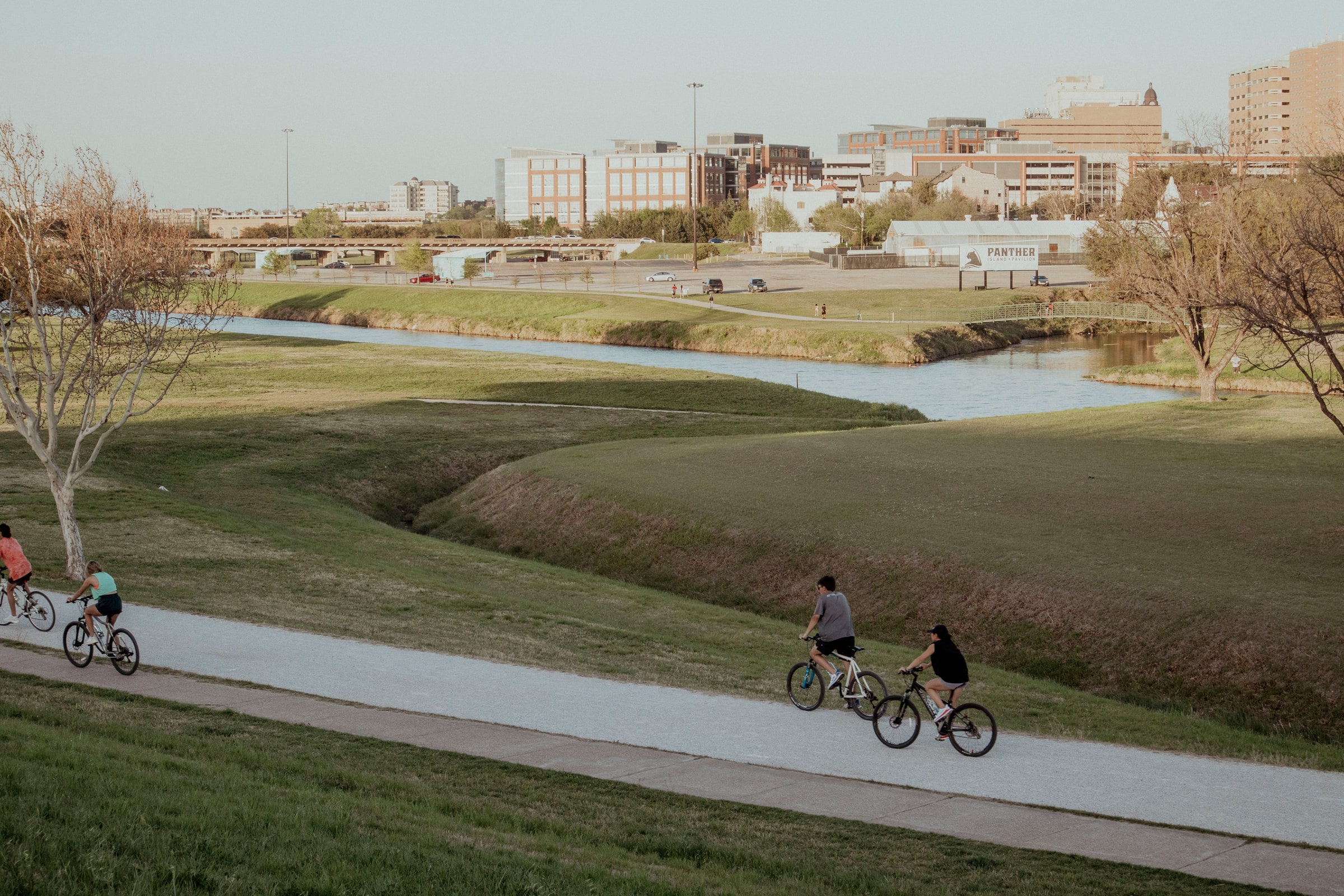
The Trinity Trails system runs more than 100 miles along the river and passes directly below the River Crest bluff. Hidden Road winds down to a trailhead, which is the quickest way into the network from the neighborhood. Rockwood Park lies across the river to the northeast with a public golf course, driving range, and sports fields. Trinity Park, 252 acres dating to 1892, and the Fort Worth Botanic Garden, 120 acres and the oldest major botanic garden in Texas, are both a short drive east, as is the museum campus on Camp Bowie.
Schools
Schools Serving River Crest and Westover Hills
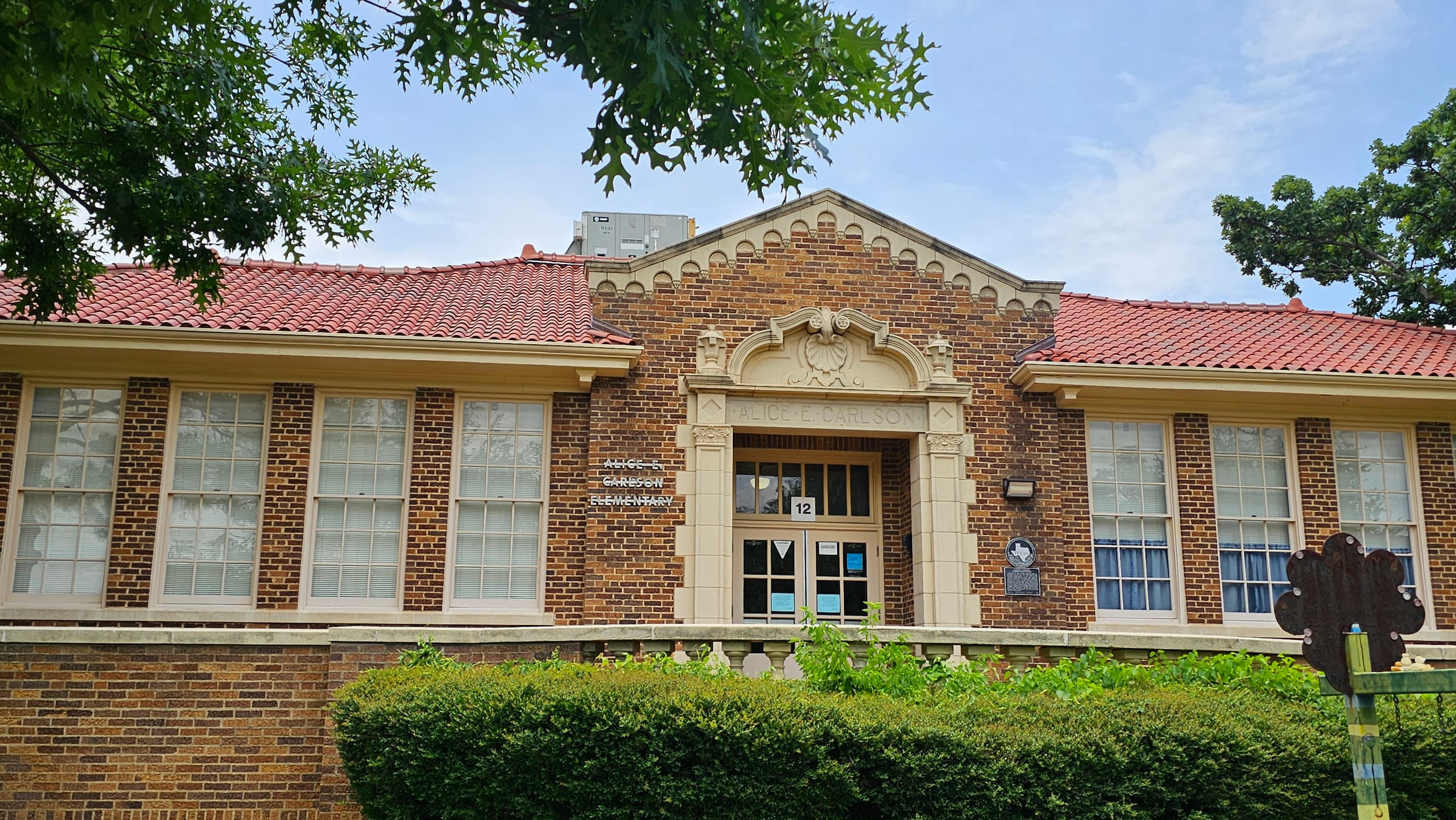
Both River Crest and Westover Hills are served by Fort Worth Independent School District, and neither has a school of its own. Surrounding west-side addresses generally follow a path through Stripling Middle School to Arlington Heights High School, though elementary assignment varies by address in this part of the district. Because Westover Hills is small enough that a boundary line could run through it, I always recommend confirming the current assignment for a specific address directly with Fort Worth ISD rather than relying on a listing.
Fort Worth ISD Programs and Oversight
Fort Worth ISD also offers Gold Seal Programs and other schools and programs of choice, which allow families to apply beyond their neighborhood attendance zone. Arlington Heights carries several of these, including a collegiate academy built around Advanced Placement coursework.
Fort Worth ISD is currently operating under a state-appointed Board of Managers following intervention by the Texas Education Agency in 2026. Because district leadership, programs, attendance boundaries, and accountability ratings can change, families should review current information directly from Fort Worth ISD and the Texas Education Agency when making school decisions.

Independent Schools
Several of Fort Worth's established independent schools are an easy drive from River Crest and Westover Hills. Fort Worth Country Day serves students from junior kindergarten through grade 12, while Trinity Valley School serves pre-kindergarten through grade 12. All Saints' Episcopal School offers another pre-school through grade 12 option in west Fort Worth.
At a Glance
A Snapshot of River Crest and Westover Hills

West Fort Worth
Location
West Fort Worth, roughly three to six miles from downtown, north of Camp Bowie Boulevard and west of Monticello, with the Trinity River bluff along River Crest's northern edge and Westover Hills immediately west

4 names
Also Known As
River Crest, Rivercrest, Crestline, and Crestline Area all appear in neighborhood designations, legal additions, listings, and records. Most Fort Worth residents simply call the broader neighborhood River Crest. Westover Hills is known locally as Westover.

76107
ZIP Code
76107 for both, though Westover Hills uses it as a mailing address only

2 jurisdictions
Jurisdictions
River Crest is part of the City of Fort Worth. Westover Hills is a separately incorporated Texas town with its own mayor, council, ordinances, police department, and municipal property tax rate

1910
Established
River Crest Company formed 1910 on more than 600 acres; club opened May 6, 1911; home sites sold from the start. Westover Hills first platted 1929, developed from the early 1930s, incorporated 1939

Century of styles
Architecture
River Crest carries more than a century of styles on the same streets, from Tudor Revival, Mediterranean, Colonial Revival, and Craftsman through ranch, modern, and new construction, with basements common. Westover Hills is individually commissioned houses across generations, with no single prevailing style

4 landmarks
Notable Architecture
Westover House on Shady Oaks Lane by I. M. Pei, completed 1969; the Bass House by Paul Rudolph with gardens by Russell Page; the Van Cliburn estate on Westover Road, formerly the Kimbell family home; and the Baldridge House in River Crest

1911
Golf
River Crest Country Club, private, opened 1911, course by Tom Bendelow and revised by A.W. Tillinghast in 1921. Shady Oaks Country Club, private, just beyond Westover Hills. Rockwood Park public course across the river

Trinity Trails
Parks and Trails
The Crestline Avenue greenbelt, the Hidden Road trailhead onto the Trinity Trails, Rockwood Park across the river, and Trinity Park and the Fort Worth Botanic Garden a short drive east

Fort Worth ISD
Schools
Fort Worth ISD for both, with campus assignment confirmed by address. Surrounding west-side addresses generally feed Stripling Middle and Arlington Heights High

5 areas nearby
Nearby
Monticello and Country Club Heights to the east, Westworth Village to the north, Camp Bowie Boulevard and the Cultural District to the south and east

Estate properties
Real Estate
This is not a one-price market. River Crest runs from smaller houses on the eastern streets to estate properties on the bluff and around the club, while Westover Hills is almost entirely individually designed houses on large lots. Because architecture, condition, lot, and platted addition vary so much, individual comparable sales are far more useful than a neighborhood-wide median. Both markets are thin and a meaningful share of what trades never reaches a public listing
Texas is a non-disclosure state, so actual residential sale prices are not public record. School attendance boundaries are set by the district and should be verified for a specific property.
In Pictures
River Crest and Westover Hills



Related Reading


Questions
A Closer Look | River Crest and Westover Hills FAQs
What is the difference between River Crest and Westover Hills?
Is River Crest the same as Crestline?
Why do River Crest homes have basements?
Do you have to join River Crest Country Club to live in River Crest?
What schools serve River Crest and Westover Hills?
Why is there so little inventory in either neighborhood?
Who should I call about buying or selling in River Crest or Westover Hills?
The biggest difference is legal rather than physical. River Crest is a neighborhood of the City of Fort Worth. Westover Hills, immediately west, is a separately incorporated Texas town of less than a square mile and 277 homes, with its own mayor and council, police department, ordinances, permitting, and municipal property tax rate. They share a mailing address and little else. Beyond that, River Crest is older, more varied, and more visibly lived in, built from 1911 around a golf course, with basements and bluff lots above the Trinity. Westover Hills is quieter, with larger lots, houses set well back, and an extraordinary collection of individually commissioned architecture.
Not exactly. River Crest, Rivercrest, and Crestline all appear depending on whether you are looking at neighborhood designations, legal additions, maps, or real estate records, and most of us simply call the broader neighborhood River Crest. When buying or selling, though, the distinctions matter. Nearby additions run together visually, and two properties that appear to belong to the same neighborhood may not actually be the right comparables. I want to know the platted addition for the house itself and for every comparable used to price it, because in River Crest the individual street, lot, and legal addition tell you far more than a neighborhood label.
Because many of them were built in the 1910s and 1920s, before slab-on-grade construction became the North Texas default, and because the hilly terrain made a lower level practical on a sloping lot. Whatever the reason, they are unusual enough in Fort Worth that finding one always feels a little surprising. Some remain wonderfully utilitarian, while others have become wine cellars, media rooms, storage, or additional living space. They also change the inspection conversation, so on any house with below-grade space I want to know about drainage, moisture history, and any past remediation, and I would obtain an insurance quote early in the process.
No. The club is private and membership is entirely separate from buying a house in the neighborhood, including for houses that front the golf course. Plenty of residents are not members. The same is true of Shady Oaks beyond Westover Hills. If joining is part of your plan, ask about the process early in the search rather than assuming it follows automatically from a purchase, because the timing and the requirements are set by the club and not by the seller or the agent.
Both are served by Fort Worth Independent School District, and surrounding west-side addresses generally follow a path through Stripling Middle School to Arlington Heights High School. Elementary assignment varies by address in this part of the district, and because Westover Hills is small enough that a boundary line could run through it, I always recommend confirming the current assignment for a specific address directly with the district. Fort Worth ISD also offers Gold Seal Programs and other schools of choice. The district is currently operating under a state-appointed Board of Managers following intervention by the Texas Education Agency in 2026, so attendance boundaries and programs should be verified directly with Fort Worth ISD.
Both are physically small and owners tend to stay for a long time, so turnover is naturally low. Westover Hills contains just 277 homes in total, which means even normal turnover produces only a handful of listings at any moment. Some properties, particularly at the upper end of the market, are also sold privately rather than through a public listing. For a serious buyer, watching a search alert is useful, but it is not always the complete picture.
I am a fifth-generation Fort Worth native and a Broker Associate with Compass, helping buyers and sellers across the city since 2012, with a practice focused on architecturally significant homes, historic properties, and discreet sales. My undergraduate degree is in History of Art and Architecture from Middlebury College, I hold a master's degree in History of Art from The University of Texas at Austin, and I serve on the boards of the Modern Art Museum of Fort Worth and The Cliburn. Both of those connections lead straight back to these two neighborhoods, since the Kimbell collection was assembled in a Westover Hills house and Van Cliburn later lived in the same one. In neighborhoods where the platted name and the spoken name disagree, where a 1922 Tudor and a 2021 custom build sit on the same street, and where the best property often trades quietly, knowing the houses and knowing the people are equally the job. Call (817) 602-5465.
Let's Talk About River Crest and Westover Hills
River Crest and Westover Hills are often mentioned in the same breath, and for good reason. Buyers looking seriously at one almost always look at the other. But they are not the same purchase, and the differences run deeper than the houses: a different city hall, a different tax structure, a different kind of street, and a different relationship between the architecture and the land.
As a fifth-generation Fort Worth native, Broker Associate with Compass, and art historian, I have worked in real estate since 2012 and bring a particular appreciation for the architecture, history, and details that give a home its character and value. In two neighborhoods where much of the best property is discussed long before it is listed, knowing the houses and knowing the people are equally the job.
It would be my honor to be your guide throughout Fort Worth, helping you find your place in our vibrant community. Call (817) 602-5465 or email sgb@compass.com.
Agent
Susanna Gorski Bartolomei
Title
Broker Associate, Compass Real Estate
Phone
(817) 602-5465Office
5049 Edwards Ranch Road, Suite 200, Fort Worth, TX 76109
Hours
Monday to Friday, 9:00 am to 5:00 pm. Saturday and Sunday by appointment
Languages
English and French
Website
SusannaFortWorth.com
TREC License
0619175