
Fairmount, Ryan Place, and Mistletoe Heights
Three historic Fort Worth neighborhoods just south of downtown, known for Craftsman bungalows, Prairie School, and Colonial Revival houses, tree-lined streets, and some of the city's best-preserved early twentieth-century architecture.


Historic Fort Worth Real Estate | Fairmount, Ryan Place, and Mistletoe Heights
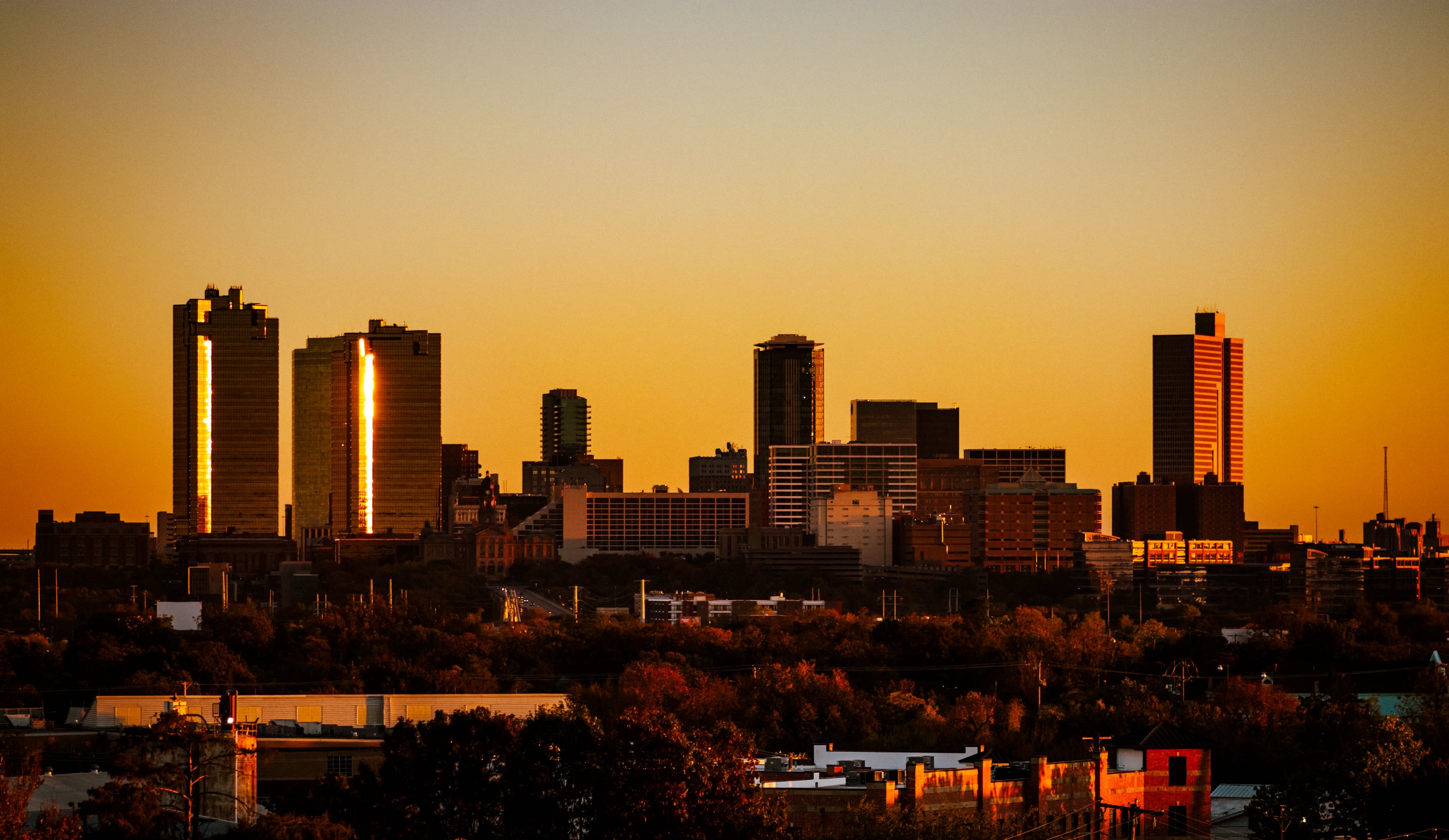
Three Neighborhoods South of Downtown

Fairmount, Ryan Place, and Mistletoe Heights sit side by side just south of downtown Fort Worth, forming one of the city's richest concentrations of early twentieth-century residential architecture. But the three neighborhoods developed differently, and they still feel distinctly different today.
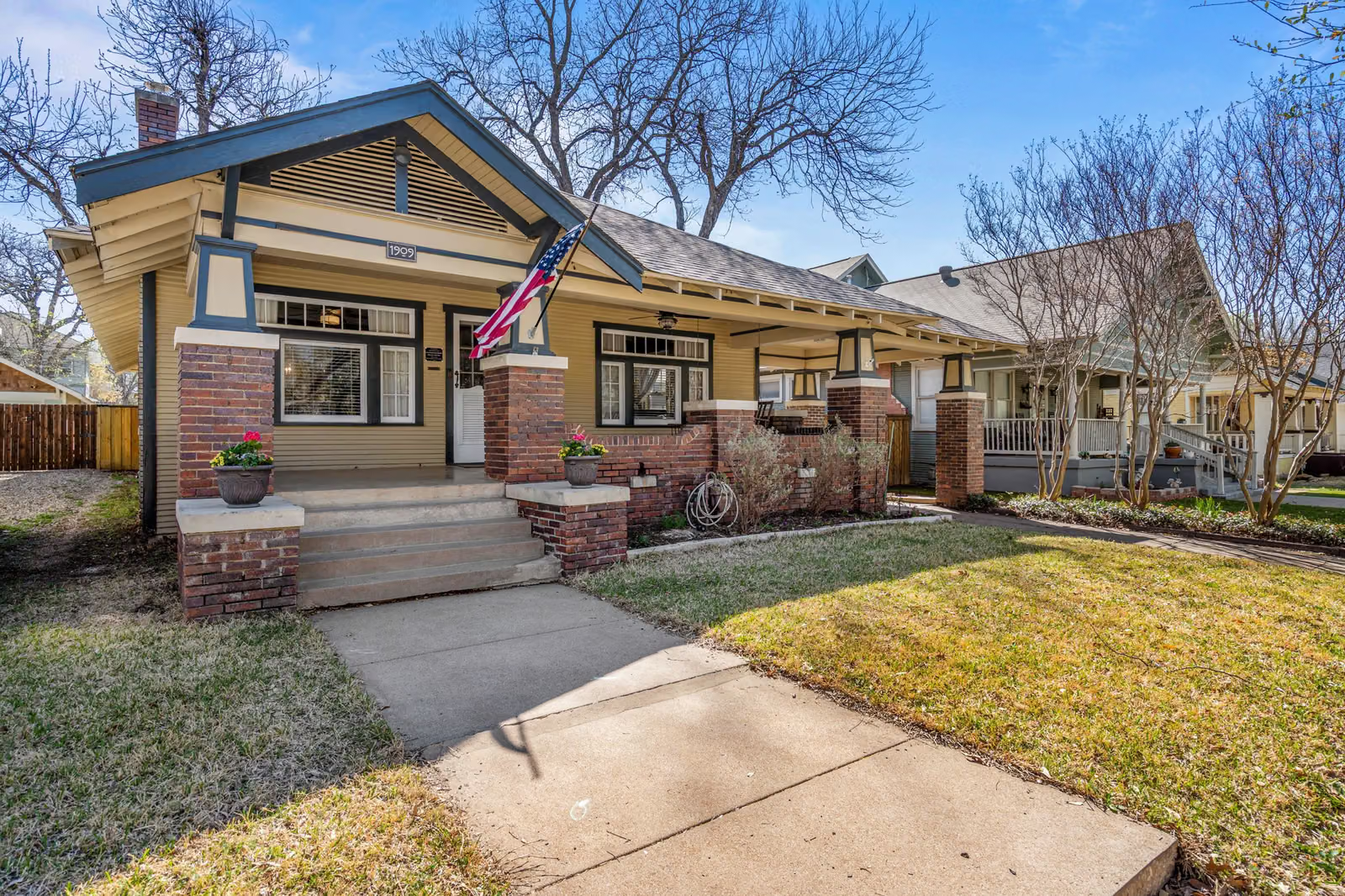
Fairmount is the largest, built from a collection of additions platted as Fort Worth expanded south in the late nineteenth and early twentieth centuries. The Fairmount-Southside Historic District was listed on the National Register of Historic Places in 1990 and expanded in 1999. Its streets are lined primarily with wood-frame cottages, Craftsman bungalows with broad front porches, American Foursquares, and other houses from the late Victorian period through the first decades of the twentieth century.
This was a streetcar neighborhood, built for the growing professional and working population of a rapidly expanding Fort Worth. That history still explains much of Fairmount's character today: relatively compact lots, sidewalks, houses oriented toward the street, and a neighborhood close enough to Magnolia Avenue that restaurants, coffee shops, and neighborhood businesses can actually function as neighborhood amenities rather than places you always have to drive to.
Ryan Place and Elizabeth Boulevard

Ryan Place, immediately to the south, is more formal. Developer John C. Ryan began the neighborhood in the early twentieth century, with Elizabeth Boulevard becoming its architectural centerpiece. The broad boulevard, landscaped median, terraced lawns, stone entrance gates, and substantial houses were a deliberate departure from the more modest residential development surrounding it.
Elizabeth Boulevard became Fort Worth's first locally designated historic district and was listed on the National Register of Historic Places in 1979. Its houses include particularly good examples of Colonial Revival, Prairie School, and Mission and Spanish Revival architecture. Ryan Place extends beyond the historic boulevard itself, so buyers should not assume that every house marketed as being in Ryan Place carries the same historic designation or restrictions.
Mistletoe Heights
Mistletoe Heights lies to the west, above the Trinity River and Forest Park. Smaller and more secluded than Fairmount, it developed primarily during the early decades of the twentieth century and retains an unusually cohesive collection of period houses on winding, tree-lined streets. Its location also gives it something the other two neighborhoods don't quite have: an immediate relationship with Forest Park, the Fort Worth Zoo, and the Trinity River corridor.
Buying in a Historic District
For a buyer, the historic designation is more than a line in the property description. Fort Worth's historic districts have adopted preservation guidelines governing alterations to historic properties. Depending on the work proposed, changes to materials, windows, doors, porches, additions, new construction, demolition, and other exterior features may require a Certificate of Appropriateness from the City of Fort Worth.
That review process is part of the reason these neighborhoods have retained so much of their architectural character. It also means due diligence on a historic house needs to go beyond the usual inspection. Before buying, I want to know whether the property is contributing or noncontributing, what alterations have already been made, whether previous work received the appropriate approvals, and what a buyer hopes to change after closing. A replacement window or enclosed porch that looks like a minor project elsewhere can be an entirely different conversation in a historic district.
Buying in a historic district means buying into a preservation process as well as a house. Understanding what has been altered, what original material survives, whether previous work received the appropriate approvals, and what you may be able to change in the future can matter enormously before you close.
Working With Susanna

Susanna Bartolomei is a Broker Associate at Compass, a fifth-generation Fort Worth resident, and an art and architectural historian with degrees from Middlebury College and The University of Texas at Austin. She has brought that background to representing buyers and sellers across Fort Worth since 2012, particularly in historic and architecturally significant properties. She serves on the Boards of Directors of the Modern Art Museum of Fort Worth and The Cliburn and is ranked by RealTrends among the top 1.5 percent of real estate professionals nationwide.
In a neighborhood where an original window, an enclosed porch, or a previous owner's renovation can be more consequential than it first appears, understanding the house and its history before you buy can save you from a very expensive surprise. Call (817) 602-5465.
What to Love
What I Love About Fairmount, Ryan Place, and Mistletoe Heights
Three Neighborhoods That Actually Feel Different
These three neighborhoods are often grouped together, but I don't think they are interchangeable. Fairmount is lively, eclectic, and bungalow-heavy. Ryan Place feels more formal, particularly around Elizabeth Boulevard. Mistletoe Heights is quieter and more tucked away, with its winding streets and proximity to Forest Park and the river. You can cross from one into another in a matter of minutes and know you've changed neighborhoods.
Elizabeth Boulevard
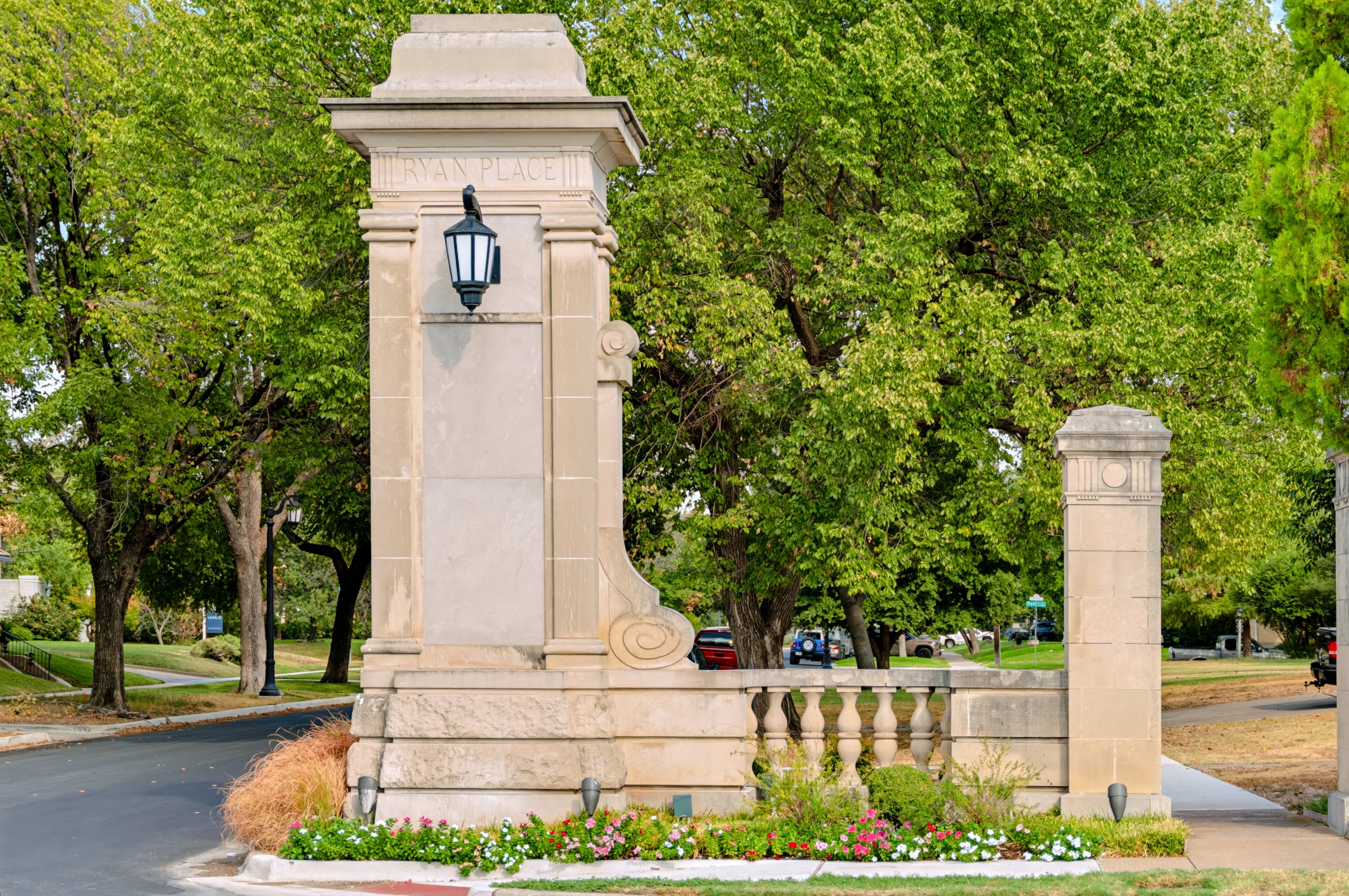
There really isn't another residential street like it in Fort Worth. Elizabeth Boulevard is the architectural centerpiece of Ryan Place, with its landscaped median, terraced lawns, stone entrance gates, and substantial early twentieth-century houses. Colonial Revival sits beside Prairie School, Mission and Spanish Revival, and other period architecture, but somehow the boulevard still reads as a whole. It was also Fort Worth's first locally designated historic district, which tells you something about how early the city recognized that this particular street was worth protecting.
The Fairmount Bungalow
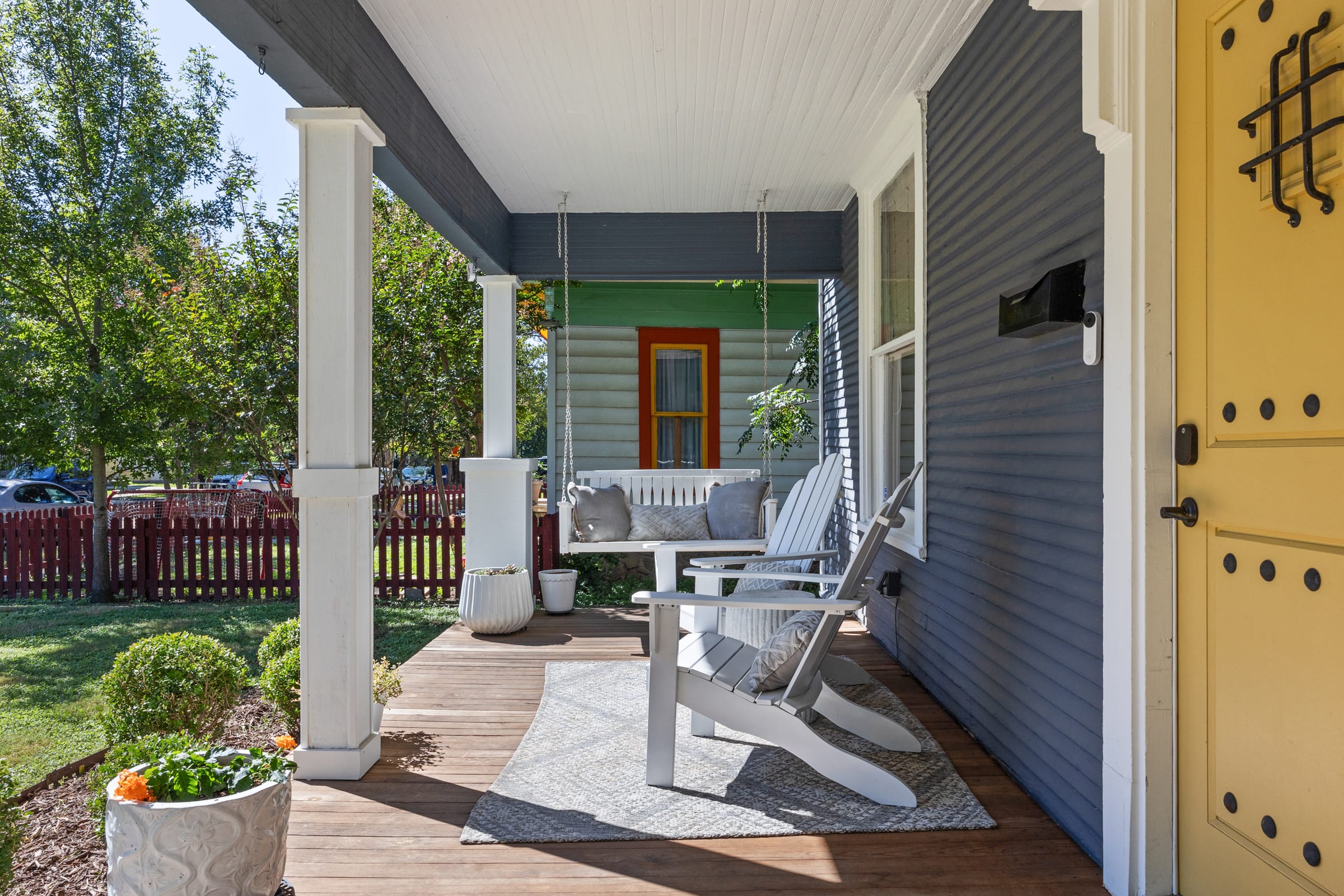
If Elizabeth Boulevard is about grandeur, Fairmount is about the bungalow. Deep porches, tapered columns, exposed rafter tails, original wood windows, built-ins, old floors, and rooms scaled for actual life rather than spectacle. Not every Fairmount house has survived intact, of course, but enough have that you can still understand what an early twentieth-century Fort Worth street was supposed to feel like.
The Front Porch Is Still Part of the Neighborhood

These houses were designed before the garage became the dominant feature of the American house. They sit closer to the sidewalk, porches face the street, mature trees form canopies overhead, and neighbors actually see one another. It sounds like a small architectural distinction. It isn't. The way these neighborhoods were planned has an enormous effect on the way they are lived in more than a century later.
Magnolia Avenue and the Near Southside
One of Fairmount's great advantages is that you can live in a historic residential neighborhood and still walk to restaurants, coffee shops, bars, and local businesses along Magnolia Avenue and throughout the Near Southside. That combination is unusually difficult to find in Fort Worth. Downtown is only a couple of miles away, but you don't have to leave the neighborhood every time you want dinner.
The Home Tours and Neighborhood Traditions
These are neighborhoods where people care deeply about the houses, and they occasionally let the rest of us inside them. The Fairmount Historic District's annual home tour has become one of Fort Worth's best opportunities to see restorations and historic interiors up close, while Ryan Place's Candlelight Christmas home tour has been a neighborhood tradition for decades. I love both because they make architectural preservation something people can actually experience rather than simply read about on a plaque.
Historic Preservation Can Have a Financial Upside
Preservation comes with rules, but Fort Worth also provides incentives for owners willing to undertake qualifying rehabilitation of historic properties. The city's Historic Site Tax Exemption can freeze the city-taxable value of qualifying property at its pre-improvement level for ten years when rehabilitation requirements are met. If you're considering a substantial restoration, this is something worth investigating before work begins, because eligibility and approval are part of the process rather than something you can generally sort out after the fact.
Forest Park, the Zoo and the Trinity

Mistletoe Heights has a relationship with the river and Forest Park that makes it feel different from its neighbors to the east. The Fort Worth Zoo, Forest Park, Log Cabin Village, and access to the Trinity Trails are all nearby, while downtown, the Cultural District, the Medical District, and TCU remain only minutes away. It is one of those places where you can be surprisingly close to the center of Fort Worth and still find yourself walking beneath old trees toward the river.
Mistletoe Heights and the Bluff
Mistletoe Heights has always felt a little hidden, even though it sits remarkably close to the center of Fort Worth. The neighborhood follows the higher ground above the Clear Fork, and its curving streets, mature trees, and changes in elevation give it a completely different character from Fairmount's more regular street grid. There are places where the land itself becomes part of the architecture, with houses positioned to take advantage of the slope, the trees, and views toward Forest Park and the river. It is one of my favorite examples of how dramatically Fort Worth can change in just a few blocks.
Property Types
Buying in a Fort Worth Historic District | What Designation Means
This is the part most buyers skip and later wish they had not.

National Register Listing and Local Designation Are Not the Same Thing
This distinction confuses a lot of buyers, and it matters. Listing on the National Register of Historic Places recognizes historic significance at the federal level, but it does not by itself prevent a private owner from altering a property. Local designation by the City of Fort Worth is different. It brings the property under the city's historic preservation ordinance and design-review process.
Fairmount-Southside and Elizabeth Boulevard have both local and National Register designations, while Mistletoe Heights is a locally designated historic district. In practical terms, if a listing says a house is "in a historic district," don't stop there. Find out which district, what kind of designation applies, and confirm the status of the individual property.
The Certificate of Appropriateness
For properties subject to Fort Worth's historic preservation requirements, exterior changes require a Certificate of Appropriateness, or COA, before permits are issued or work begins. That can include siding, windows, exterior doors, fences, roofing, porches and porch columns, driveways and walkways, decks, additions, foundation work, new construction, and demolition.
Most applications can be reviewed administratively by the City's Historic Preservation staff. New construction, demolition, waivers from district guidelines, appeals, and certain other cases go before the Historic and Cultural Landmarks Commission.
For a buyer, the practical takeaway is simple. Replacing the windows in a 1918 bungalow may be a preservation question before it is a budget question. If you're buying with plans to renovate, find out what those plans may involve before closing.
The Historic Site Tax Exemption
Historic designation comes with restrictions, but there can also be a meaningful financial benefit. Fort Worth's Historic Site Tax Exemption can freeze the assessed value of qualifying land and improvements at pre-renovation levels for City of Fort Worth tax purposes for ten years. To qualify, rehabilitation costs generally must equal or exceed 20 percent of the assessed value of the improvements, along with the other program requirements.
The sequence is important. The application must be submitted and approved before rehabilitation begins, and work requiring a Certificate of Appropriateness must receive the necessary approval in advance. Once the project is completed, it goes through verification before the exemption takes effect.
If you're contemplating a substantial restoration, investigate the exemption before you start work. This is one of those instances where doing things in the wrong order can be expensive.

Work Done by a Previous Owner
This is something I pay particular attention to in historic houses. A previous owner may have replaced windows, enclosed a porch, changed siding, built an addition, or made another exterior alteration years before the house comes back on the market. The question isn't simply whether the work looks good. I want to know what was done, when it was done, and whether the approvals required at the time were obtained.
If something looks recent or inconsistent with the rest of the house, it deserves investigation during the option period. Check the City's records rather than assuming that because an alteration existed when you bought the house, everything associated with it was properly approved.
Buying a House From the 1890s to the 1920s
Historic designation is only one part of buying here. These are old houses, many of them wood-framed, and they need to be evaluated as old houses rather than newer construction with prettier windows.
Depending on the house and its renovation history, you may encounter older electrical systems or remnants of earlier wiring, cast-iron or clay sewer lines, pier-and-beam foundations, original single-pane wood windows, aging roofs and mechanical systems, old siding, previous termite damage, or moisture issues. None of that automatically makes an old house a bad house. It means you need to know what you're buying.
For houses of this age, I generally want appropriate structural evaluation, a sewer scope, careful attention to the roof and drainage, and an insurance quote early in the process. Older electrical systems and roof age can affect insurability, and discovering that before the end of the option period is considerably more useful than discovering it three days before closing.
Which District and Which Side of the Line
Never rely solely on the neighborhood name in a real estate listing to determine historic status.
Confirm whether the specific property falls within the locally designated district and whether it is classified as contributing or noncontributing. District boundaries don't necessarily follow the way people casually describe a neighborhood, and a house across the street or around the corner can have a different designation and different requirements.
That distinction can affect renovation plans, historic review, and eligibility for preservation incentives. Before buying, confirm the status of the actual address with the City of Fort Worth.

Historic Preservation Resources for Fort Worth Homeowners
You do not have to figure all of this out alone. Fort Worth has unusually good resources for owners of historic properties, and I would use them.
The City of Fort Worth's Historic Preservation office is the place to start for the regulatory side. Its staff can help confirm local historic designation, district boundaries, and contributing status; explain the applicable design guidelines; and walk owners through the Certificate of Appropriateness and Historic Site Tax Exemption processes. The Historic and Cultural Landmarks Commission handles the preservation matters that require commission review. If you're considering significant exterior work, talking to Historic Preservation staff before you finalize plans can save an enormous amount of time.
Historic Fort Worth is a separate nonprofit preservation organization and another excellent resource. It has spent decades advocating for Fort Worth's historic places and provides preservation education and resources for people who own, restore, or simply care about historic properties. It is also a trove of information about Fort Worth's historic homes, neighborhoods, architecture, and the stories behind the properties that make the city distinctive. Its resources can help owners better understand the history of a house, research its original character, and appreciate the context that makes thoughtful preservation worthwhile.
The Texas Historical Commission is another useful resource, particularly when a property has significance beyond its local district designation. As Texas's State Historic Preservation Office, the Commission administers the National Register program in Texas, Recorded Texas Historic Landmarks, historic preservation tax-credit programs, and other statewide preservation initiatives.
Comparison
Historic Designation | District by District
The first thing to understand is that National Register listing and local historic designation are not the same thing. The National Register recognizes a property's or district's historic significance at the federal level. Local designation is what brings Fort Worth's preservation ordinances and design-review process into the picture.
For a buyer, that distinction matters much more than the plaque.
Designation facts are drawn from the City of Fort Worth's historic preservation materials and National Register listings.
Available Homes
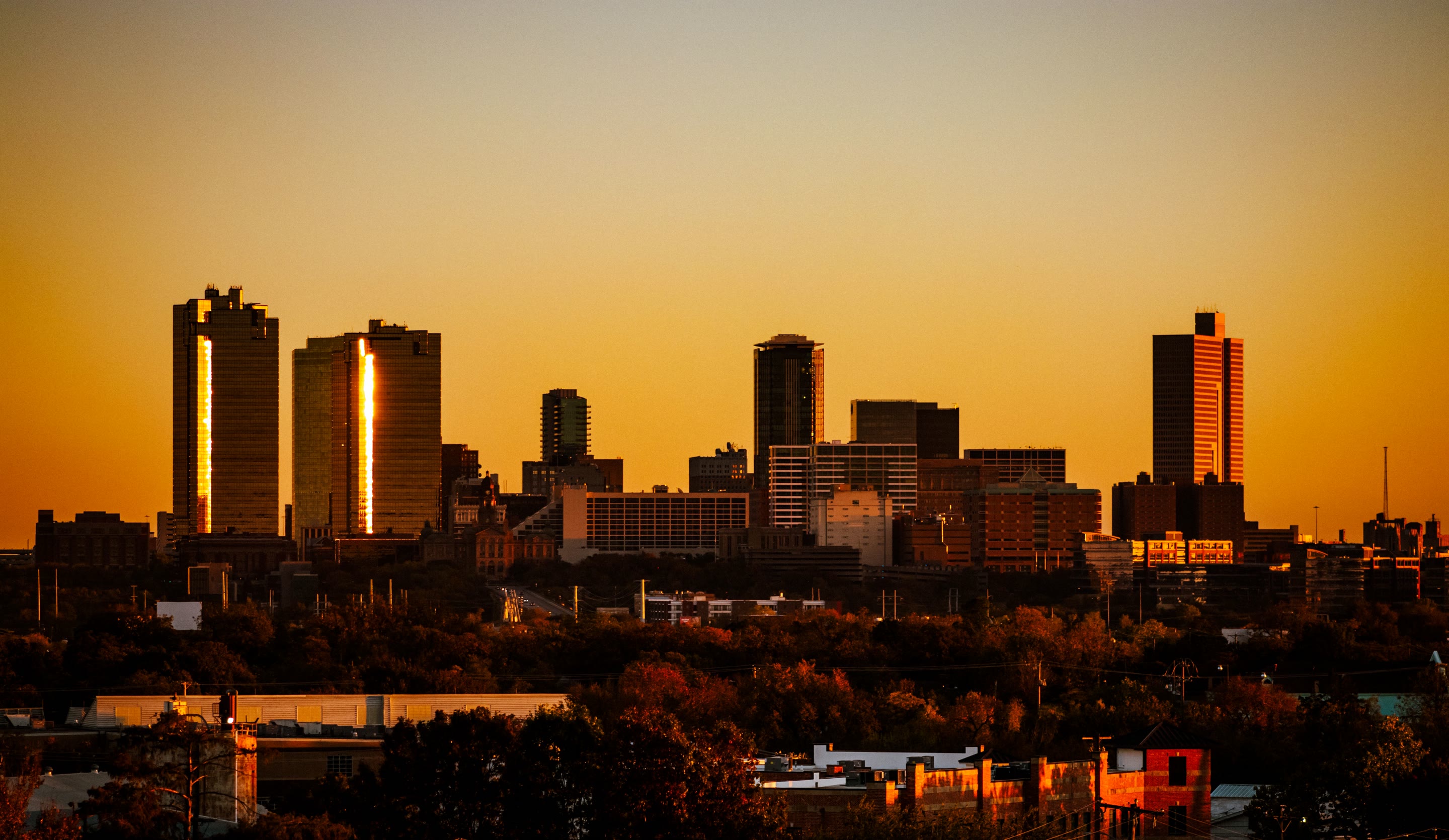
Fairmount, Ryan Place, and Mistletoe Heights Homes for Sale
Explore homes for sale in Fairmount, Ryan Place, Elizabeth Boulevard, and Mistletoe Heights, where Fort Worth's historic housing ranges from Craftsman bungalows and American Foursquares to substantial Colonial Revival, Prairie School, and Spanish Revival houses. These neighborhoods sit within minutes of one another, but the architecture, lot sizes, historic designation, and character can change considerably from one street to the next.
Search All Historic District ListingsLiving Here
Living in Historic Fort Worth | Magnolia Avenue, Forest Park, and the Near Southside

Magnolia Avenue and the Near Southside
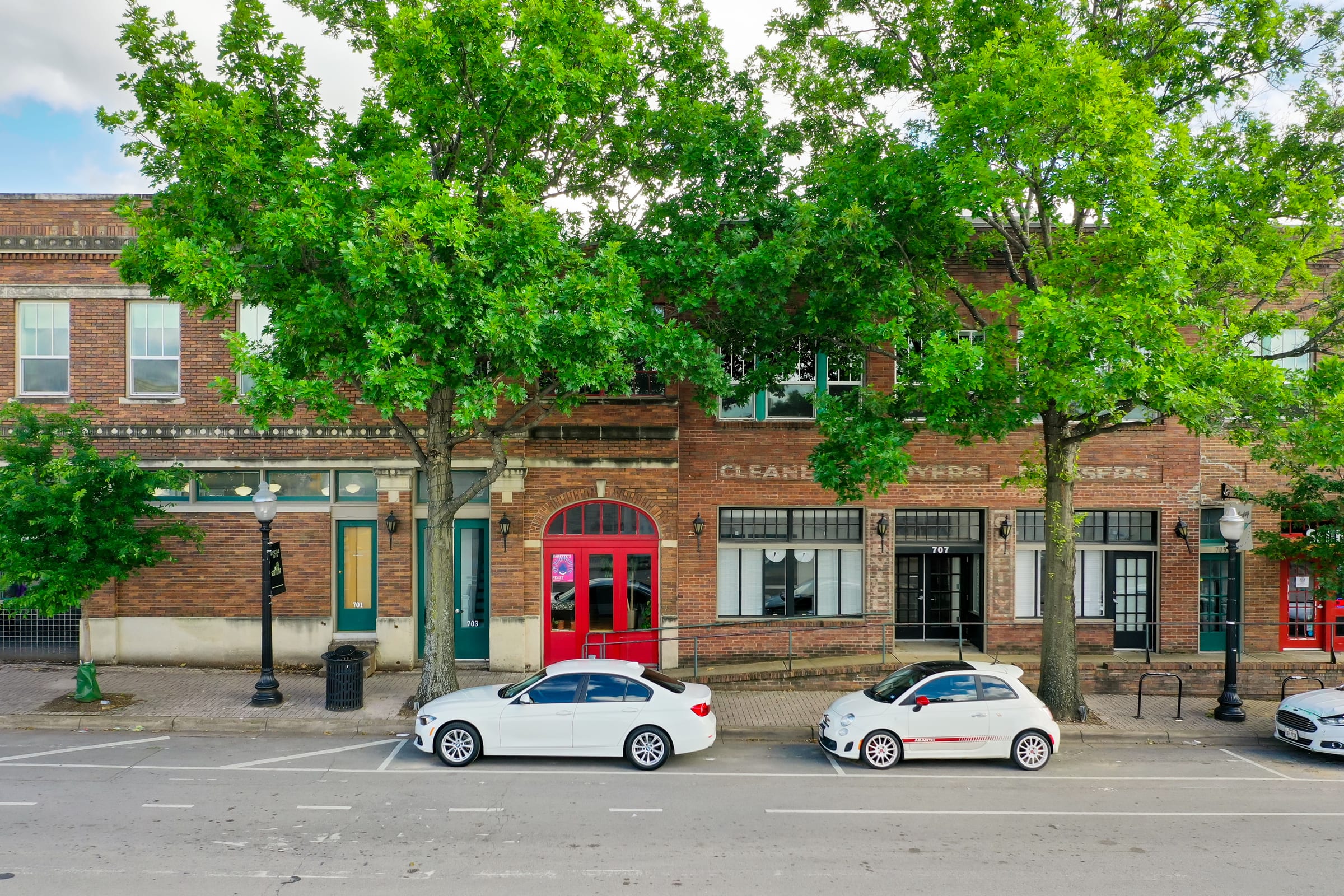
Magnolia Avenue runs along Fairmount's northern edge and is one of the best examples in Fort Worth of a neighborhood commercial street that still functions as one. Restaurants, coffee shops, bars, small businesses, and old storefronts sit within walking distance of much of Fairmount, a legacy of the compact streetcar-era grid these neighborhoods were built around.
Ellerbe Fine Foods helped set the tone for the Magnolia Avenue we know today. Opened in 2009 in a renovated 1920s filling station, it brought thoughtful, seasonal cooking into a historic neighborhood building and became one of the restaurants that helped establish Magnolia as a dining destination rather than simply a commercial street.
But one of the things I like about this part of Fort Worth is that the new never completely displaced the old. Paris Coffee Shop has been part of the neighborhood since 1926, when it first opened on Magnolia Avenue, and its long history is woven into the everyday life of the Near Southside. Now located on West Magnolia in a larger space, it is the kind of place where the appeal is not just the food, but the continuity: generations of Fort Worth residents have come for coffee, breakfast, lunch, and a familiar booth.
Nearby, Walloon offers a different kind of neighborhood history. Chef Marcus Paslay's restaurant occupies the historic Sawyer Grocery Building at the corner of Magnolia and Hemphill, a former grocery store rather than a bank building. The restored early twentieth-century commercial building remains part of the experience rather than being treated as background, which is one reason this part of Magnolia feels layered instead of newly manufactured.
Then there is the newer generation of local businesses. MELT Ice Creams was founded by Kari Crowe-Seher in 2014, with inventive, slightly addictive flavors that have made it a Fort Worth favorite. Cherry Coffee Shop, owned by Katherine Morris, is another Magnolia Avenue staple. Morris also owns Novel Coffee Roasters, which gives Cherry its own Fort Worth roasting operation and a line of coffees created specifically for the shop.
That mix is what I love about Magnolia and the larger Near Southside. You can have dinner in an old filling station, eat breakfast at a coffee shop that has been serving Fort Worth for nearly a century, dine in a beautifully reused historic commercial building, buy coffee roasted by the woman who owns the shop, or get ice cream from another locally owned business. It feels local because it actually is.


The Medical District, South Main Village, and Downtown
The Near Southside is also home to one of Fort Worth's most important concentrations of healthcare institutions. Cook Children's Medical Center, Texas Health Harris Methodist Hospital Fort Worth, Baylor Scott & White All Saints Medical Center, and JPS Health Network's main campus are all nearby, along with medical practices, specialty facilities, research, and other healthcare employers throughout the district.
UT Southwestern has also established a significant Fort Worth presence here. The Monty and Tex Moncrief Medical Center at Fort Worth is located on South Main Street, while the Harold C. Simmons Comprehensive Cancer Center at Moncrief Cancer Institute is on West Magnolia Avenue. Together, they bring UT Southwestern specialty care, cancer treatment, imaging, research, and other medical services into the Near Southside.
For physicians, nurses, researchers, administrators, and other healthcare professionals, that concentration puts some of Fort Worth's most important medical institutions within an unusually short commute of Fairmount, Ryan Place, and Mistletoe Heights.
South Main Village has developed into a destination of its own, but its revival is rooted in the buildings that were already here. Beginning in the 1990s, preservation-minded developers, architects, and investors began restoring historic commercial and industrial properties, helping set the stage for the restaurants, breweries, coffee shops, galleries, creative businesses, apartments, and new construction that followed.
Magnolia Village, Park Place Village, and South Main Village each have their own personalities, but together they give this part of Fort Worth something few residential areas in the city can offer: several locally driven commercial districts within minutes of historic neighborhoods, major medical institutions, and downtown.
From a house built in 1915, you can be at a major hospital, dinner on Magnolia, coffee in South Main Village, or downtown in a matter of minutes. That combination of old residential Fort Worth, major medical institutions, independent businesses, and an active urban core is a large part of why these neighborhoods continue to work so well.


Forest Park, the Zoo, and the Little Train
Mistletoe Heights runs toward the Clear Fork of the Trinity River, putting Forest Park and the Fort Worth Zoo practically at the neighborhood's doorstep. Log Cabin Village is nearby, and the Trinity Trails connect this part of the city to more than 100 miles of trails along the river system.
And then there is the Forest Park Miniature Railroad.
The little train opened in 1959, running a five-mile route from Forest Park, across the Clear Fork, and into Trinity Park. Generations of Fort Worth children grew up riding it, making it one of those slightly quirky institutions that became part of growing up here. The railroad has been out of regular operation in recent years, but its route, history, and place in Fort Worth memory are inseparable from Forest Park.
The Zoo, Forest Park, Log Cabin Village, the Trinity River, and the trails give Mistletoe Heights an almost unfair collection of Fort Worth landmarks at its doorstep. The Fort Worth Botanic Garden and Cultural District museums are only a short drive northwest, while TCU and University Park Village sit just to the southwest.


Neighborhoods That Show Off Their Houses
People here care about the houses, and occasionally they let the rest of us come inside.
The Fairmount Neighborhood Association's annual Tour of Historic Homes has been a Mother's Day weekend tradition for more than four decades and is one of my favorite opportunities to see what people have actually done with these houses: careful restorations, clever additions, preserved interiors, and the occasional project that reminds you just how much work a hundred-year-old house can require.
Ryan Place has its own long-running Candlelight Christmas home tour, held each December and featuring everything from bungalows to some of the neighborhood's grandest houses. Mistletoe Heights has an active neighborhood association and Historic Preservation Committee of its own.
I love these traditions because they make preservation something more than a set of rules. They give people a reason to learn the history, see inside the houses, exchange ideas about taking care of them, and become invested in what happens to the neighborhood next. That's part of how a collection of old houses becomes a community.
Schools
Schools in Fairmount, Ryan Place, and Mistletoe Heights
Fairmount, Ryan Place, and Mistletoe Heights are served by Fort Worth Independent School District, with most addresses ultimately feeding R. L. Paschal High School. Elementary and middle school assignments vary considerably across these neighborhoods, however, and district boundaries do not necessarily follow neighborhood boundaries. Always confirm the schools assigned to a specific address with the Fort Worth ISD locator rather than relying on the neighborhood name in a listing.

The Zoned School Path
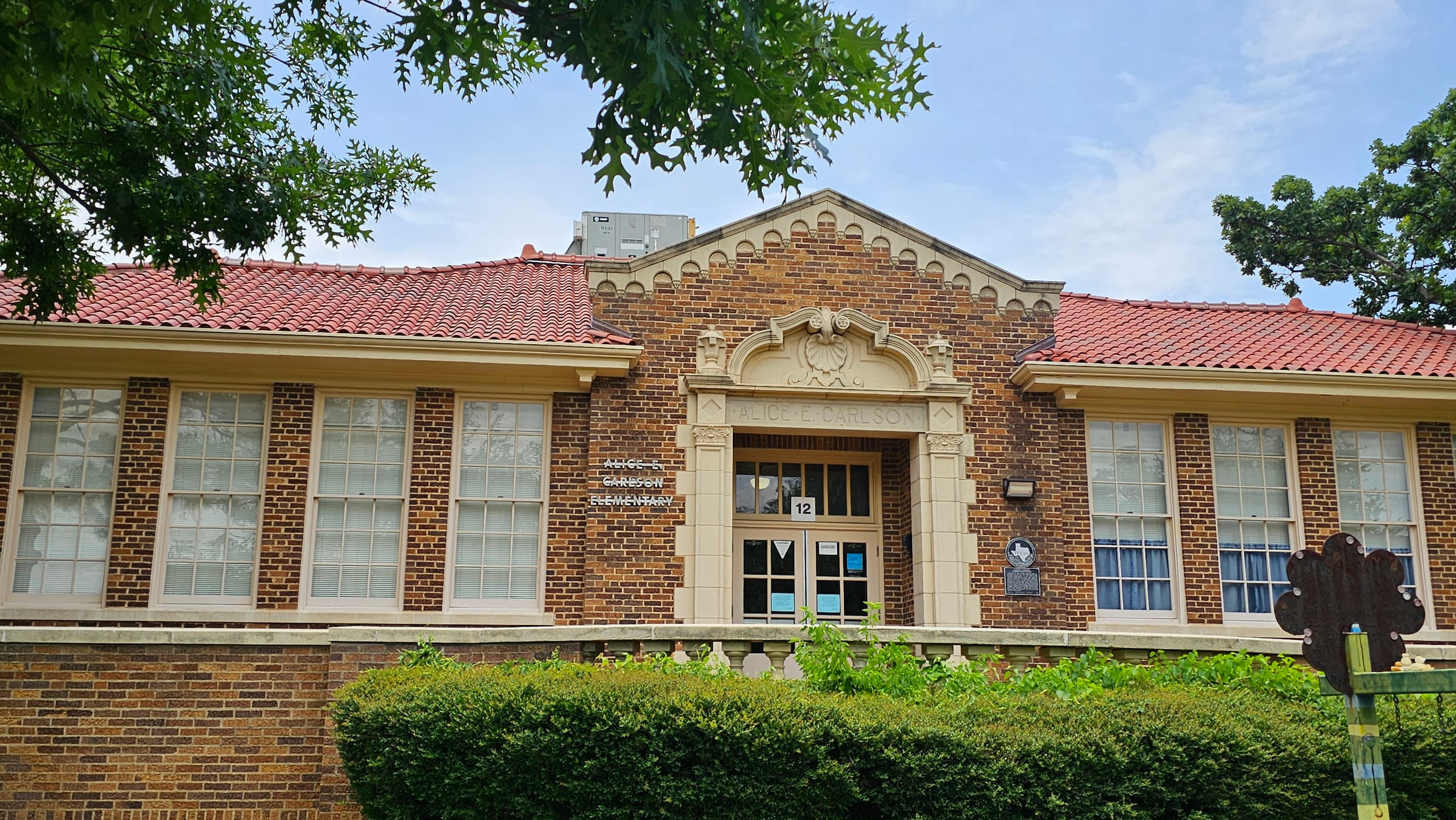
Mistletoe Heights is closely associated with Lily B. Clayton Elementary on Park Place Avenue, a neighborhood school that opened in 1922. From there, much of the area continues through the McLean schools and ultimately to Paschal.
Fairmount and Ryan Place are less uniform. Depending on the address, elementary and middle school assignments can include different campuses within the larger Paschal feeder pattern. That variation is one reason I would never use "Fairmount schools" or "Ryan Place schools" as shorthand for what serves a particular house.
For most buyers considering these neighborhoods, Paschal is the high school name they will encounter most often. Its history reaches back to Fort Worth High School, founded in 1882, and the school eventually took the name of longtime educator R. L. Paschal before moving to its present Forest Park Boulevard campus in the 1950s. It remains one of Fort Worth ISD's major comprehensive high schools and an important part of this side of the city.

Trimble Tech and Fort Worth ISD Schools of Choice
The zoned path is not the whole Fort Worth ISD story, particularly in the Near Southside.
Green B. Trimble Technical High School sits just east of Fairmount on West Cannon Street and has been part of Fort Worth's technical and vocational education tradition for generations. Today, Trimble Tech is both a traditional high school experience and a Gold Seal School of Choice, combining academics, athletics, and extracurricular activities with specialized Programs of Choice designed to prepare students for college, careers, and professional certifications.
Unlike a traditional neighborhood high school, Trimble Tech does not follow a feeder pattern. Students apply for admission through Fort Worth ISD's Gold Seal process, which means its location near Fairmount does not make it the automatically assigned high school for the neighborhood.
Trimble Tech is also only one part of the district's larger choice system. Fort Worth ISD offers Gold Seal Schools and Programs of Choice in areas including career and technical education, STEM, visual and performing arts, world languages, applied learning, and Montessori education.
For families considering Fairmount, Ryan Place, or Mistletoe Heights, I would start with the schools assigned to the specific address, but I would not stop there. The district's application-based programs can create very different educational paths within the same school district.

A Different Path From the West Side
This is worth understanding if you're comparing houses across Fort Worth.
Many of the west-side neighborhoods, including Monticello, Crestwood, River Crest, Westover Hills, Westworth Village, and portions of Ridglea, are associated with the Arlington Heights High School feeder pattern. Fairmount, Ryan Place, Mistletoe Heights, Berkeley Place, Park Hill, and much of the TCU area are more closely associated with Paschal.
The two high schools are longtime cross-town rivals, but the more useful distinction for a buyer is the larger school path surrounding them. Choosing between a house here and one several miles west can mean comparing different elementary schools, middle schools, high schools, and programs of choice as well as two different parts of Fort Worth.
Fort Worth ISD Is Changing
Fort Worth ISD is currently in a period of significant change. In March 2026, the Texas Education Agency appointed a nine-member Board of Managers to govern the district and selected Dr. Peter B. Licata as superintendent. The district is also evaluating and consolidating campuses as enrollment patterns change.
For someone buying a house, the practical point is more important than the administrative history: do not assume today's school assignment will remain unchanged indefinitely. Confirm the current attendance zone for the property, check any announced campus changes, and look at the district's current information before making a decision based on a particular school path.

How I Look at School Ratings
School ratings can be useful, but I would never reduce a school to one number on a real estate website.
Different rating services weigh test scores, academic growth, college readiness, programs, and student demographics differently, which is why the same campus can look quite different depending on where you search. I would start with the Fort Worth ISD locator to confirm the schools actually assigned to the address, then look at the Texas Education Agency's campus information, investigate the programs offered at the individual schools, and visit the campuses that matter to you.
And remember that a zoned school is a starting point, not necessarily the only option. Fort Worth ISD's Gold Seal system gives families access to Schools and Programs of Choice across the district, including Trimble Tech and other specialized campuses and programs.
At a Glance
Fairmount, Ryan Place, and Mistletoe Heights at a Glance

South of downtown
Location
Just south of downtown Fort Worth, between the Near Southside Medical District and Forest Park, with Magnolia Avenue along Fairmount's northern edge

76110
ZIP code
Primarily 76110, although boundaries and ZIP codes should always be confirmed for a specific address

1990
Historic designation
Fairmount and Mistletoe Heights are locally designated historic districts. Fairmount-Southside was listed on the National Register of Historic Places in 1990, with a boundary increase in 1999. In Ryan Place, Elizabeth Boulevard is both a locally designated historic district and National Register district and was Fort Worth's first locally designated residential historic district.

Certificate of Appropriateness
What local designation means
Exterior changes to locally designated historic properties generally require a Certificate of Appropriateness before work begins. Depending on the project, review may be handled administratively by Fort Worth Historic Preservation staff or require action by the Historic and Cultural Landmarks Commission. Windows, doors, siding, roofing, porches, additions, fences, driveways, foundations, demolition, and other exterior alterations can all fall within preservation review.
10 years
What designation can offer
Qualifying historic properties may be eligible for Fort Worth's Historic Site Tax Exemption. For an approved rehabilitation meeting the City's requirements, the program can freeze the City-taxable value of the land and improvements at their pre-rehabilitation level for ten years. The application and approval process must begin before the rehabilitation work.

Craftsman bungalows
Housing character
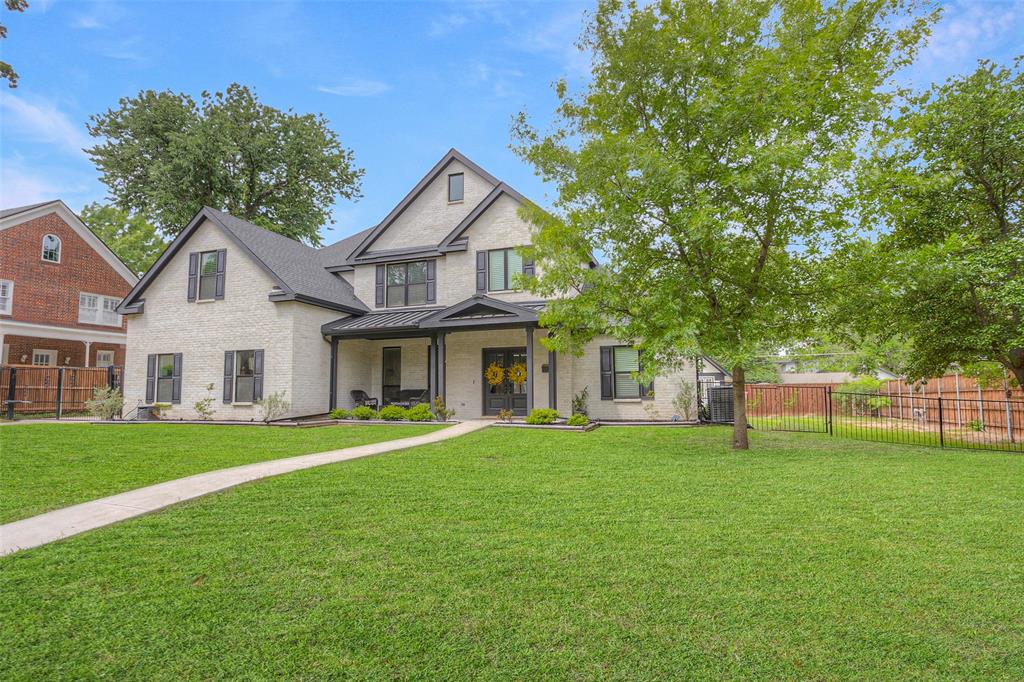
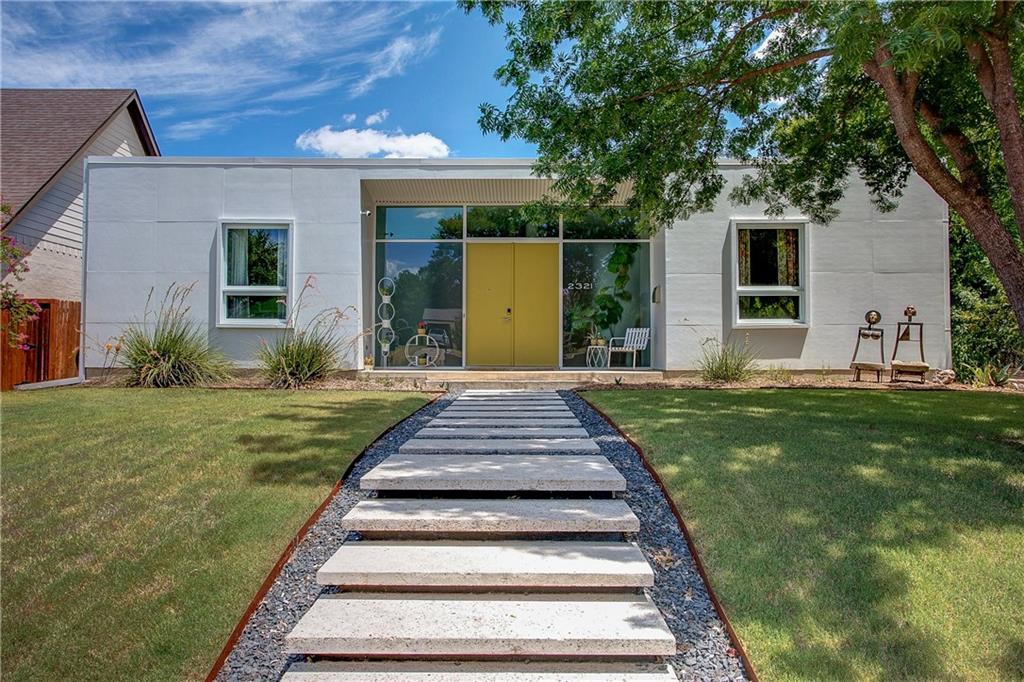
Fairmount is known for early twentieth-century cottages, Craftsman bungalows, and American Foursquares. Ryan Place becomes more formal around Elizabeth Boulevard, where Colonial Revival, Prairie School, Mission, and Spanish Revival architecture appear on larger lots. Mistletoe Heights combines Craftsman and period revival houses with curving streets, mature trees, and the changing terrain above the Clear Fork.

3 side by side
Neighborhood scale
Fairmount is the largest and most urban in feel, with a regular street grid and close relationship to Magnolia Avenue. Ryan Place is more formal and residential, particularly around Elizabeth Boulevard. Mistletoe Heights is smaller and more secluded, tucked between Forest Park and the Clear Fork. The three sit side by side but feel remarkably different once you are in them.

Fort Worth ISD
Schools
Fort Worth ISD serves all three neighborhoods, with most addresses associated with the R. L. Paschal High School feeder pattern. Elementary and middle school assignments vary by address, and Fort Worth ISD also offers Gold Seal Schools and Programs of Choice, including nearby Trimble Tech. Current assignments should always be confirmed directly with the district.

Forest Park
Parks and open space
Forest Park, the Fort Worth Zoo, Log Cabin Village, and the Clear Fork of the Trinity River sit immediately west of Mistletoe Heights, with access nearby to Fort Worth's Trinity Trails network.

Minutes from downtown
Nearby
Magnolia Village, Park Place Village, South Main Village, and the Near Southside Medical District are all close by, with downtown Fort Worth only a few minutes north. Berkeley Place and Park Hill adjoin this part of the city to the west and are covered separately in this Neighborhood Library.
Sources: City of Fort Worth Historic Preservation Ordinance and Historic Site Tax Exemption materials; National Register of Historic Places listings for Fairmount-Southside and Elizabeth Boulevard; Fort Worth Library Local History Archives; Fort Worth ISD and the Texas Education Agency. School attendance boundaries, programs, and accountability ratings are set by the district and the Texas Education Agency and are subject to change; verify them directly with Fort Worth ISD for a specific property.
In Pictures
Fairmount, Ryan Place, and Mistletoe Heights
Related Reading


Nearby Neighborhoods


Questions
Frequently Asked Questions About Historic Homes in Fort Worth
What does it mean to buy a house in a Fort Worth historic district?
Is National Register listing the same as local historic designation?
Can I get a tax break for restoring a historic home in Fort Worth?
What is Elizabeth Boulevard?
How big is the Fairmount Historic District?
What should I check before buying an older house in Fairmount, Ryan Place, or Mistletoe Heights?
What schools serve Fairmount, Ryan Place, and Mistletoe Heights?
Who should I call about buying or selling a historic home in Fort Worth?
It means the historic designation can affect the changes you are permitted to make. Exterior changes to a locally designated historic property generally require a Certificate of Appropriateness from the City before work begins. That can include windows, doors, siding, roofing, porches, fences, driveways, foundations, additions, and other exterior alterations. Many applications can be handled administratively by Fort Worth Historic Preservation staff, while larger projects, demolition, and certain other requests go before the Historic and Cultural Landmarks Commission.
For a buyer, the important thing is to understand the rules before you make plans for the house. The windows you intend to replace, the porch you want to alter, or the addition you are already drawing in your head may be subject to preservation review.
No, and the distinction matters. The National Register of Historic Places is a federal program recognizing properties and districts for their historic significance. National Register listing by itself generally does not prevent a private owner from altering a property using private funds.
Local historic designation is different. In Fort Worth, it brings the property under the City's preservation ordinance and design-review process, including the Certificate of Appropriateness requirements.
Fairmount-Southside and Elizabeth Boulevard have both National Register recognition and local historic designation. Mistletoe Heights is also a locally designated historic district. Ryan Place is the important distinction: Elizabeth Boulevard is the designated historic district within the larger Ryan Place neighborhood, so do not assume every Ryan Place property carries the same historic status or requirements. Always confirm the designation of the specific parcel.
Potentially, yes. Fort Worth's Historic Site Tax Exemption can freeze the City-taxable value of qualifying historic property at its pre-rehabilitation level for ten years when the rehabilitation meets the City's requirements, including a minimum investment tied to the assessed value of the improvements.
The sequence matters. The application and proposed work need to go through the City's historic preservation process before rehabilitation begins, and the completed work must later be verified. This is not something I would plan to sort out after the renovation is underway.
If you are considering a substantial restoration, investigate the exemption before beginning work and confirm the current requirements with the City of Fort Worth and your own tax adviser.
Elizabeth Boulevard is the architectural centerpiece of Ryan Place and Fort Worth's first locally designated historic district. Developer John C. Ryan created the boulevard in the early twentieth century and named it for his wife, Elizabeth.
Its landscaped median, terraced lawns, stone entrance gates, and substantial period houses give it a formality unlike almost any other residential street in Fort Worth. Colonial Revival, Prairie School, Mission, Spanish Revival, and other early twentieth-century architecture appear along the boulevard, which was added to the National Register of Historic Places in 1979.
It is also important not to use Elizabeth Boulevard and Ryan Place interchangeably. The boulevard is the designated historic district; Ryan Place is the larger surrounding neighborhood.
Big enough that "Fairmount" describes much more than one architectural moment or one kind of house. The Fairmount-Southside Historic District encompasses roughly a hundred blocks assembled from numerous additions developed around the turn of the twentieth century, with more than a thousand contributing historic buildings.
What is more interesting to me than the acreage is how intact the neighborhood still feels. Fairmount developed in the streetcar era, with relatively compact lots, sidewalks, front porches facing the street, and houses built at a scale that still makes the neighborhood remarkably easy to navigate on foot.
I would look at two things separately: the history of the property and the condition of the building.
For a locally designated historic property, confirm its exact designation and contributing status, then look at what previous owners have changed. Windows, porches, siding, additions, fences, and other exterior work may have required preservation approval. If something looks substantially newer than the house, I want to know when it was done, how it was done, and what the City records show.
Then investigate the house itself. With homes dating largely from the late nineteenth and early twentieth centuries, you may encounter older electrical systems or remnants of them, cast-iron or clay sewer lines, pier-and-beam foundations, original single-pane wood windows, aging roofs and mechanical systems, old siding, termite damage, and generations of repairs of varying quality.
Depending on the house, a structural evaluation, sewer scope, careful roof and drainage inspection, and an early insurance quote can all be money well spent. A hundred-year-old house does not need to be perfect. You do need to understand what you are buying.
Fort Worth ISD serves all three neighborhoods, with most addresses associated with the R. L. Paschal High School feeder pattern. Elementary and middle school assignments vary by address, so confirm the current assignment directly with the district rather than relying on the neighborhood name in a real estate listing.
The zoned schools are also only part of the picture. Fort Worth ISD operates Gold Seal Schools and Programs of Choice, and nearby Green B. Trimble Technical High School draws students through the district's application process rather than a traditional neighborhood feeder pattern.
Fort Worth ISD is currently undergoing significant administrative and campus changes, which makes checking the current assignment and any announced changes particularly important when evaluating a specific property.
Susanna Gorski Bartolomei is a Broker Associate at Compass, a fifth-generation Fort Worth native, and an art and architectural historian with degrees from Middlebury College and The University of Texas at Austin. Since 2012, she has represented buyers and sellers across Fort Worth, with particular experience in historic, architecturally significant, and distinctive properties. She serves on the boards of directors of the Modern Art Museum of Fort Worth and The Cliburn and is ranked by RealTrends among the top 1.5 percent of real estate professionals nationwide.
In a historic district, understanding the architecture is only part of the job. You also need to know what has been changed, what survives, what may be worth preserving, what the City may allow you to alter, and how all of that affects what the house is actually worth. That is where architectural training and street-level Fort Worth knowledge become useful rather than decorative.
To talk about buying or selling a historic home in Fairmount, Ryan Place, Mistletoe Heights, or elsewhere in Fort Worth, call (817) 602-5465.
Buy or Sell a Historic Home in Fort Worth
Susanna Bartolomei represents buyers and sellers in Fairmount, Ryan Place, Elizabeth Boulevard, and Mistletoe Heights, alongside Berkeley Place, Park Hill, the TCU area, and the west-side neighborhoods from Monticello and River Crest through Westover Hills and Ridglea. A Broker Associate at Compass and a fifth-generation Fort Worth native with two degrees in art and architectural history, she works across the city's period neighborhoods. In designated districts, the questions are different from anywhere else: what will the Landmarks Commission approve, what did the last owner do without asking, and what is this restoration actually worth? Those are the questions worth having answered before you make an offer. Call (817) 602-5465 or email sgb@compass.com.
Agent
Susanna Gorski Bartolomei
Title
Broker Associate, Compass Real Estate
Phone
(817) 602-5465Office
5049 Edwards Ranch Road, Suite 200, Fort Worth, TX 76109
Hours
Monday to Friday, 9:00 am to 5:00 pm. Saturday and Sunday by appointment
Languages
English and French
Website
SusannaFortWorth.com
TREC License
0619175