
Berkeley Place and Park Hill Homes for Sale | Fort Worth
They share a park, a decade, and some of Fort Worth's best architecture. After that, Berkeley Place and Park Hill are distinctly different neighborhoods.


Berkeley Place and Park Hill | The Architecture and Stories of Old Fort Worth

On Either Side of Forest Park
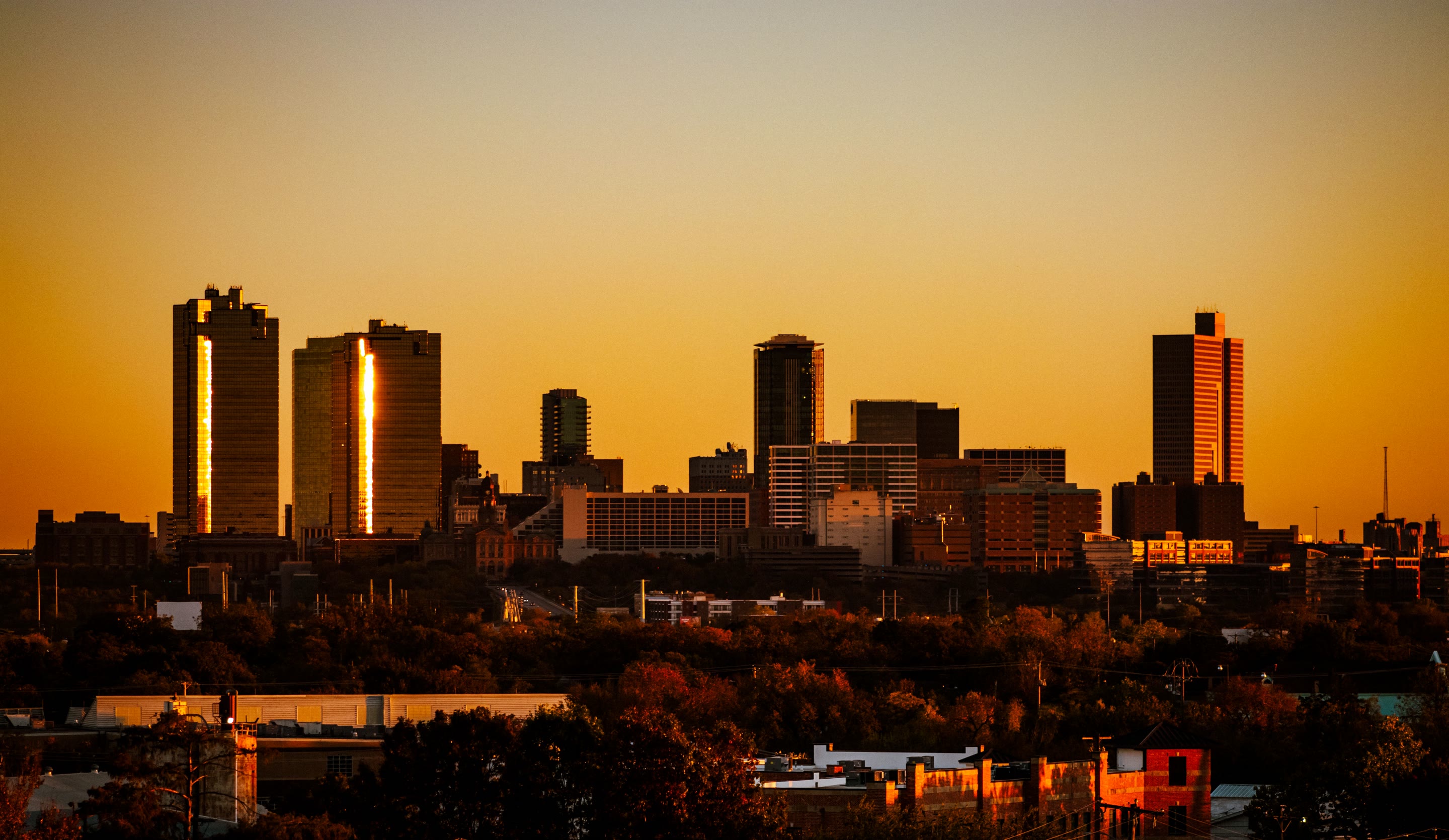
Berkeley Place and Park Hill sit on either side of Forest Park and the Fort Worth Zoo, about three miles south of downtown Fort Worth and a mile from TCU. Both came into their own during Fort Worth's growth in the 1920s and retain an impressive collection of architecture from the 1920s and 1930s. Spend an afternoon driving through them, and you will quickly note the similarities, from the mature oak trees and sweeping lawns to sidewalks made for connecting with neighbors while taking the dog out for an afternoon walk. But as you explore, you will also begin to see what makes each neighborhood distinctly its own.
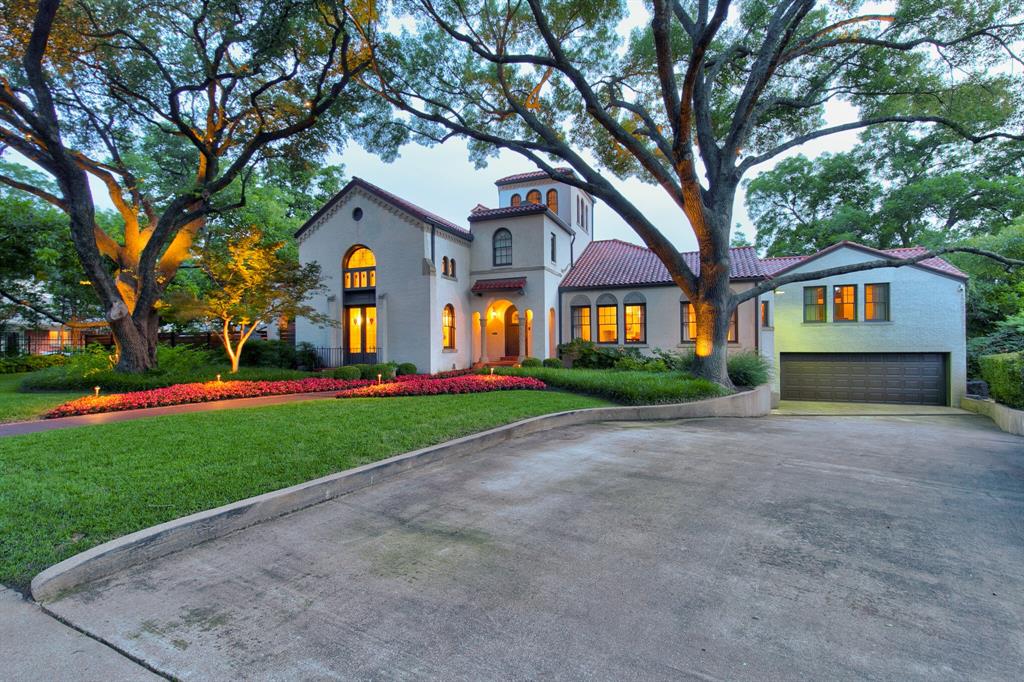
Berkeley Place feels wonderfully eclectic, with architecture that reflects the neighborhood's gradual development. Craftsman bungalows and handsome brick cottages sit alongside larger two-story homes, with red-brick Tudors, Mediterranean stucco, and other period-revival influences throughout. Lot and home sizes vary considerably, which is part of what makes Berkeley interesting and physically energetic. It feels cohesive without feeling prescribed. One of Fort Worth's few remaining Streamline Moderne homes can even be found on Ward Parkway, and the Forest Park Apartment building, now residential condos, offers sweeping views across Fort Worth from its twelve-story perch.
From Farmland to Forest Park
Before Berkeley Place was a neighborhood, it was farmland. William Joseph Rogers purchased approximately 137 acres here in 1901 for a grain and dairy farm, and his former farmhouse still stands on Warner Road. W. Lee "Pappy" O'Daniel later lived there before becoming Governor of Texas. Development grew around the farm and accelerated after Fort Worth annexed the area in 1922. By 1924, the Rogers property was the last working farm within the Fort Worth city limits.
Berkeley's history is also inseparable from Forest Park. In 1907, the City of Fort Worth purchased what was considered a rather unpromising ravine along the western edge of the development for $17,000. That land became part of Forest Park, and the Fort Worth Zoo was established there in 1910. The stone entrance gates at Forest Park Boulevard followed in 1917 and remain one of the neighborhood's most recognizable landmarks.
Park Hill | A Planned Neighborhood

Park Hill, on the other side of the park, is a different proposition entirely. It was planned rather than assembled. The Fairmount Land Company platted Park Hill in 1925 and hired Hare & Hare, the important Kansas City landscape architecture and city-planning firm, as design consultants. Rather than imposing a traditional street grid on the bluff, the plan followed the land. Curving streets trace the contours of the hill, with houses positioned in response to the topography and, in some cases, views across Forest Park and the Zoo. And yes, from some of these homes you can hear the lions roar in the wee hours of the morning.
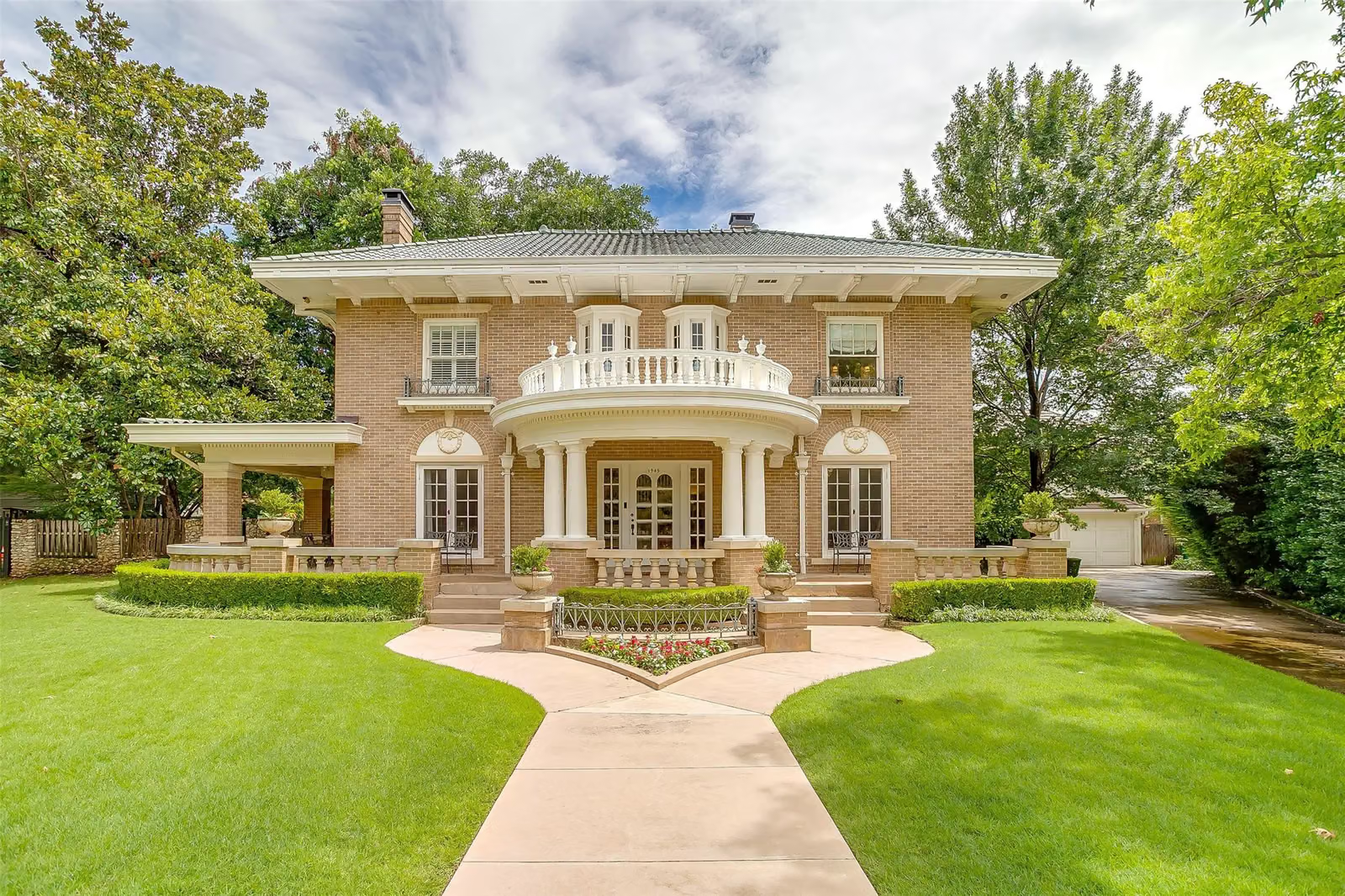
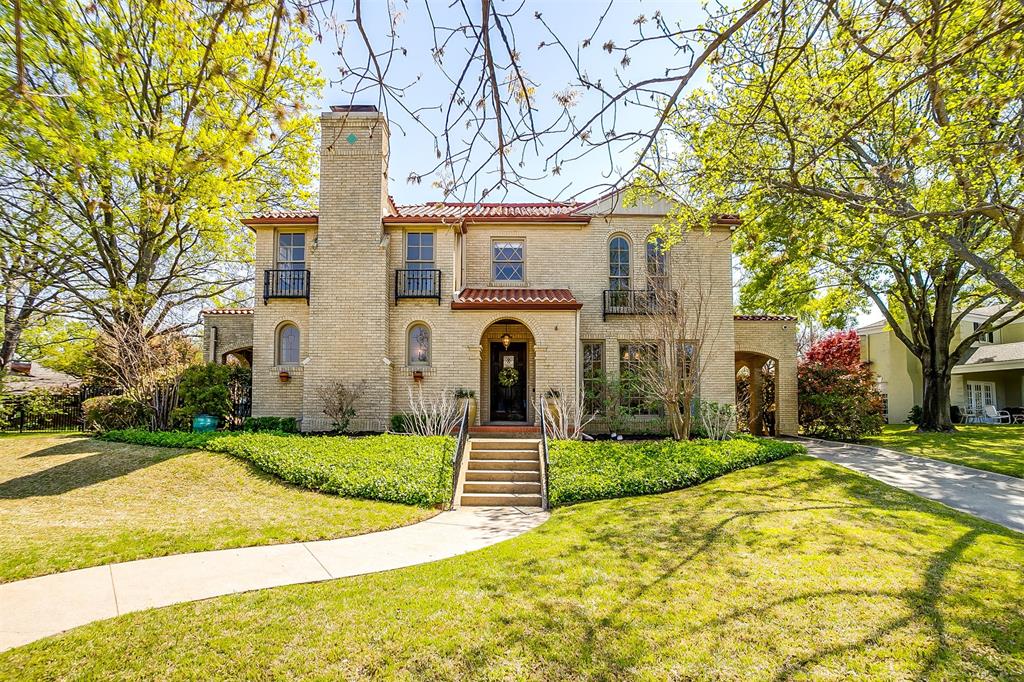
Park Hill has a formality Berkeley does not, particularly along Medford Court, Winton Terrace, and Lofton Terrace, where some of the neighborhood's largest houses rest. Tudor and Spanish Colonial Revival architecture is particularly well represented, allowing for a dynamism in design. Here, the landscape was not leftover space around the houses, but instead an integral part of the design.
The Westbrook House
One of Park Hill's best architectural examples is the Westbrook House at 2232 Winton Terrace West. Fort Worth architect Joseph R. Pelich designed the substantial Tudor Revival home in 1928 for oilman Roy A. Westbrook and his wife, Gladys. Set high on the bluff, the house has a slate roof, half-timbered gables, an arcaded entrance, and a crenelated stair tower. Its silhouette was significant enough to be described as a visual landmark in Fort Worth's historic resources survey.
But the architecture is only part of the Westbrook House story. The Clark family purchased the property in 1946, and in 1953 William P. Clark was found shot to death inside the house. His death was initially ruled a suicide before becoming the subject of a murder investigation, and his wife, Mary, was ultimately tried and acquitted. It is a wonderfully dark footnote to an otherwise distinguished architectural history, and a reminder that these houses were never museum pieces. Fort Worth families built them, lived in them, altered them, and, every once in a while, left behind a story considerably more dramatic than the façade would suggest.
What to Love
What to Love About Berkeley Place and Park Hill
A Neighborhood Laid Out by Hare & Hare
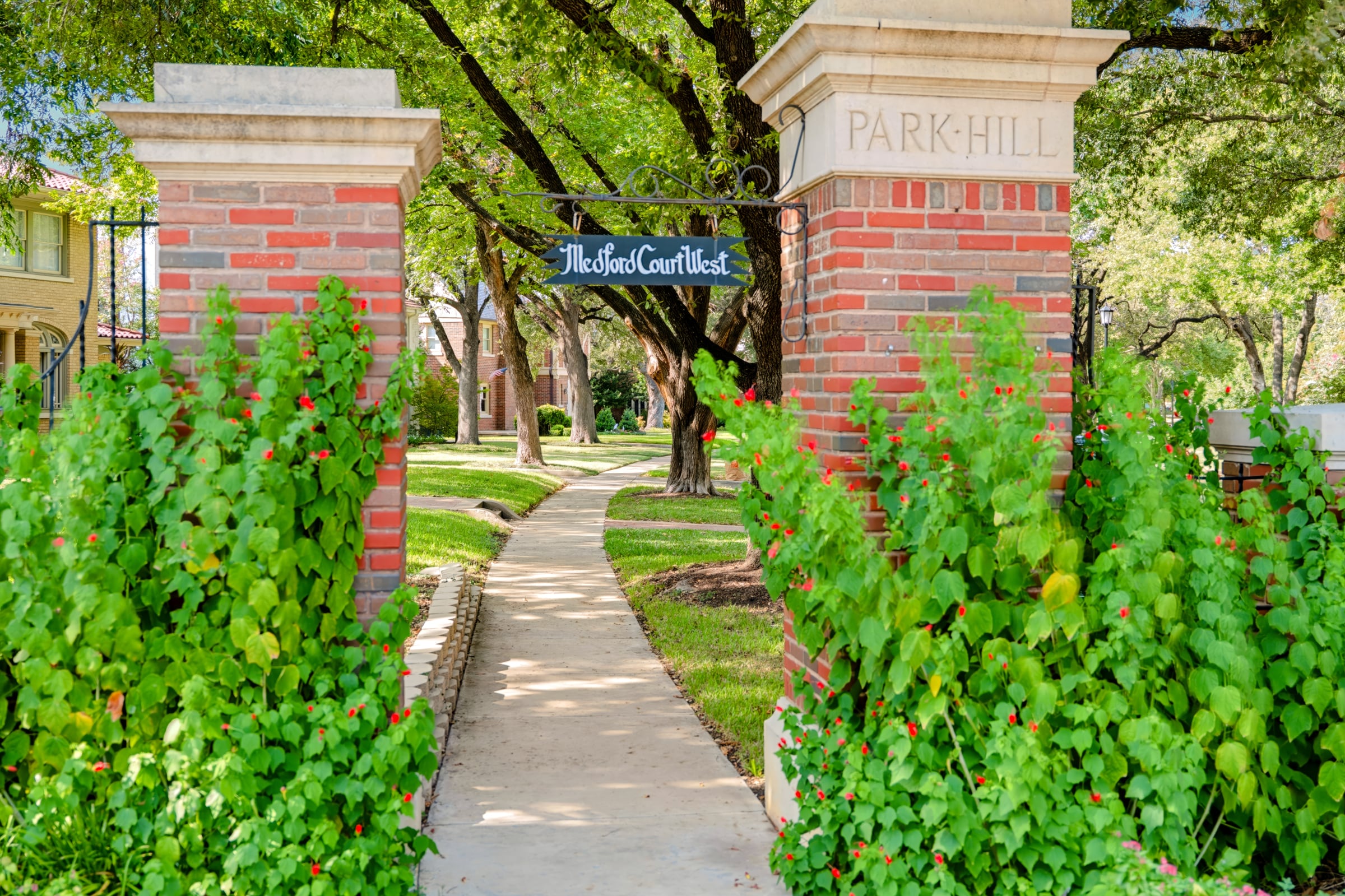
The Fairmount Land Company platted Park Hill in 1925 and brought in Hare & Hare of Kansas City, the important landscape architecture and city-planning firm, to consult on the design. Rather than imposing a grid on the bluff, the plan followed the land. Curving streets trace the contours of the hill, the period streetlights are still in place, and the oaks are a century old. Very few Fort Worth neighborhoods were laid out by a planning firm of that standing.
Forest Park, the Zoo, and the Trinity Trails

The ravine between Berkeley Place and Park Hill was sold to the City of Fort Worth for $17,000 in 1907 after being dismissed as essentially worthless. It proved to be anything but. The land became part of Forest Park and home to the Fort Worth Zoo, established in 1910 and today consistently ranked among the best zoos in the country. The stone gates at the Forest Park Boulevard entrance followed in 1917 and, after being rebuilt by the Berkeley Place Association in 1980, remain a landmark shared by both neighborhoods.
A Pool With a Hundred-Year History
Forest Park Pool is Fort Worth's oldest municipal aquatics facility. It opened in 1922 as an enormous 250-foot-wide circular pool with an 80-foot flagpole at its center, and its original bathhouse was designed by Joseph R. Pelich, the same Fort Worth architect who would design Park Hill's Westbrook House six years later. After more than a century of summer afternoons, swim meets, and generations of Fort Worth children learning to swim, the pool was rebuilt and reopened in 2024.
Sweet Lily B.
Lily B. Clayton Elementary opened on Park Place Avenue in 1922 as Mistletoe Heights Elementary, a four-room schoolhouse serving 79 students with three teachers. The 1934 addition was designed specifically with children in mind: bas-relief plaques on the exterior and decorative tiles inside depict familiar nursery rhymes, and the kindergarten classroom still has its original indoor fishpond. The school and the surrounding neighborhoods reached their centenaries together.
Where One Half of Cook Children's Began
In 1918, the Fort Worth Free Baby Hospital opened at 2400 Winton Terrace West on land donated by William C. Bryce, president of the Fairmount Land Company. Led by former Fort Worth postmistress Ida L. Turner, the 30-bed hospital cared for infants and toddlers regardless of their families' ability to pay, and even the building materials and furnishings were donated by the community. It became Fort Worth Children's Hospital and, in 1985, one half of Cook Children's.
A Hundred Years of Architecture, Intact
Both neighborhoods came into their own during the 1920s and 1930s, and nearly a century later that history remains remarkably visible. Berkeley Place is wonderfully eclectic, with Craftsman bungalows and handsome brick cottages alongside larger Tudor, Mediterranean, and other period-revival homes. Tile roofs, porte-cochères, detached garages, and original rear cottages add to the architectural texture, and nearly thirty Berkeley Place homes have been identified as historically significant. Across Forest Park, Park Hill takes on a slightly grander scale.
Property Types
Berkeley Place vs. Park Hill | What Distinguishes These Two Neighborhoods
Same decade, same park, same schools, and two uniquely Fort Worth neighborhoods. Here is where Berkeley Place and Park Hill diverge.

Berkeley Place | The Streets & Houses
Berkeley Place stretches from Park Place Avenue to Ward Parkway, with Eighth Avenue to the east and the Fort Worth Zoo along its western edge. One of the things I love about Berkeley is the variety from one block to the next. Smaller brick cottages and Craftsman bungalows sit comfortably beside substantial two-story homes, with Tudor, Mediterranean, and other period-revival architecture woven into the neighborhood fabric. The details are equally interesting. Tile roofs, porte-cochères, detached garages, and original rear cottages are found throughout the neighborhood. Many of those cottages were originally built as additional quarters and have since found new lives as guest houses, offices, and additional living spaces. Together with the variety in lot and house size, they give Berkeley a layered quality that feels collected over time rather than prescribed from the beginning. It is also why two Berkeley Place houses with similar square footage can be remarkably different. Architecture, proportion, original materials, additions, and the quality of a renovation all matter here. The numbers may tell you where to begin, but understanding the house itself tells you far more.

Park Hill | The Estate Streets
Medford Court East and West, Lofton Terrace, and Winton Terrace West form the heart of Park Hill's original Hare & Hare plan. Here, the curving streets follow the bluff, century-old oaks frame the houses, and original streetlights remain part of the landscape. The architecture takes on a grander scale as well, with substantial Tudor, Early English, and other period-revival homes designed for some of Fort Worth's most prominent early twentieth-century families. Look closely and some of the best details remain: original plasterwork and millwork, period light fixtures, and even call bells that once connected the principal rooms to service areas. These are the details that tell you not only when a house was built, but how its original owners lived. Homes on Park Hill's estate streets trade infrequently, and each is remarkably individual. Square footage alone is a poor measure of value. Architect, provenance, condition, architectural integrity, and the quality of any restoration all matter, as does what previous owners had the good sense to leave alone. That individuality is part of the pleasure of Park Hill. The houses may belong to the same period and the same carefully considered plan, but each has its own architecture, history, and story to tell.

Beyond Park Hill | Park Hill Drive and the TCU Edge
Park Hill Drive creates some confusion for buyers searching online because, despite the name, much of the housing found here and closer to TCU is not part of the historic Park Hill neighborhood. Park Hill itself is marked by its entry gates and is comparatively small. Yet real estate portals and national data services often group these properties together, creating statistics that can be remarkably misleading. The housing is distinctly different from the estate streets above the bluff. Smaller single-family homes, duplexes, townhomes, and condominiums become more common as you move toward TCU, along with a greater concentration of investor-owned properties. For buyers, this can provide a more accessible way to live near the same parks, schools, and central Fort Worth amenities; for investors, proximity to TCU creates a different set of considerations entirely. This is why I am particularly cautious with published Park Hill medians. A condominium near TCU and a historic estate on Medford Court can appear within the same online statistical area while having almost nothing meaningful in common as real estate. The distinction matters. Park Hill Drive may have Park Hill in its name, but that does not make it a comparable for a house on the bluff.

Buying a 1920s House in Berkeley Place or Park Hill
Purchasing a century-old house requires a slightly different way of looking at real estate. In Berkeley Place and Park Hill, age alone tells you very little; stewardship tells you much more. A house that has been thoughtfully maintained for generations can be a very different proposition from one of the same vintage that has endured deferred maintenance or a series of unfortunate renovations. Older electrical systems, cast-iron or clay sewer lines, plaster walls, original windows, tile or slate roofs, and pier-and-beam foundations are all part of the conversation. None is automatically a problem, but each deserves to be understood. In North Texas, drainage, soil movement, and previous foundation work also warrant careful attention. For a serious purchase, I often recommend going beyond the standard home inspection when the property calls for it. A sewer scope, structural evaluation, or specialized roof assessment can answer questions that a general inspection cannot. I also encourage buyers to investigate insurance early; the age and type of a roof, electrical system, and other components can affect both coverage and cost. The same scrutiny should apply to what has already been changed. With historic houses, a renovation can add tremendous value when it respects the original architecture, proportion, and materials, or diminish it when it does not. Sometimes the most valuable thing a previous owner did was simply leave something alone. These houses have already lived long lives, and that is part of their appeal. The goal is not to make an old house new. It is to understand what you have, address what needs attention, and preserve the things that made the house worth loving in the first place.

Two Things I Would Always Check by Address
First, know exactly where you are buying. This matters particularly around Park Hill, where online searches and neighborhood statistics can group together properties that have very little in common. A house on an estate street above the bluff should not be valued against a smaller home or condominium closer to TCU simply because an online portal places both under the Park Hill name. The street, platted addition, lot, and genuinely comparable nearby properties tell you far more than a neighborhood-wide average. Second, understand the house's historic status before making plans to change it. Berkeley Place and Park Hill contain a number of historically significant properties, but significance and legal designation are not necessarily the same thing. Before assuming you can replace original windows, alter a roofline, build an addition, or change a rear structure, confirm whether the individual property is subject to a City of Fort Worth historic designation or other applicable restrictions. With a hundred-year-old house, I would rather you understand exactly what you are buying and which changes are permitted before you fall completely in love.
Comparison
Berkeley Place and Park Hill | Side by Side
School attendance boundaries are subject to change and should be verified directly with Fort Worth ISD for a specific property. Listing ranges reflect a point in time rather than a market study. Texas is a non-disclosure state, so actual residential sale prices are not public record.
Available Homes
Available Homes in Berkeley Place and Park Hill
Explore homes for sale in Berkeley Place and Park Hill. From 1920s cottages to architecturally significant estates, no two houses or streets are quite alike.
View All ListingsLiving Here
Living in Berkeley Place and Park Hill

Forest Park, the Zoo, and the Trinity Trails
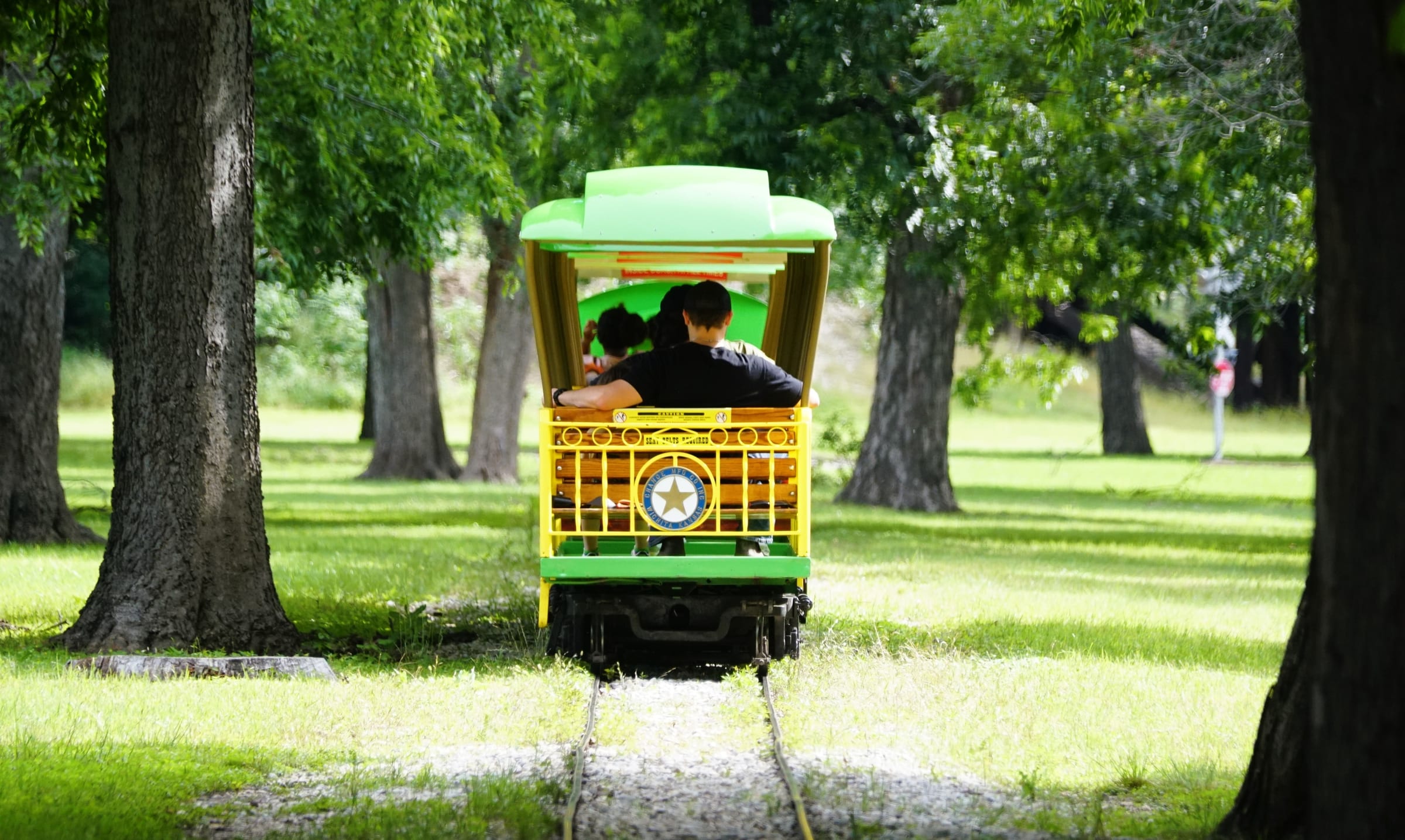
Forest Park is not simply the line between Berkeley Place and Park Hill. It is part of daily life in both neighborhoods. The Fort Worth Zoo anchors the park, while playgrounds, green space, and access to the Trinity Trails bring the park into the everyday rhythm of the neighborhoods.
Forest Park Pool has been part of that story for more than a century. Fort Worth's oldest municipal aquatics facility first opened in 1922, with an original bathhouse designed by Joseph R. Pelich, the same architect who would design Park Hill's Westbrook House six years later. Rebuilt and reopened in 2024, the pool remains a neighborhood summer fixture.
Nearby, Log Cabin Village tells another chapter of Fort Worth history, while the Trinity Trails connect this pocket of the city to more than 100 miles of trails along the Trinity River and its tributaries.
For all of the history here, these are amenities people actually use. You can walk the dog beneath the oaks, head to the pool, take the kids to the Zoo, or connect to the trails, and occasionally hear a lion reminding you exactly who your neighbors are.


Park Place Avenue and the Near Southside
Park Place Avenue serves as something of a neighborhood main street, with a small collection of restaurants and businesses within walking distance of Berkeley Place. It gives the neighborhood something many of Fort Worth's historic residential areas lack: a place to walk for coffee, lunch, or dinner without leaving the neighborhood behind.
A few minutes north, the Near Southside and Magnolia Avenue offer a much larger collection of independent restaurants, coffee shops, and local businesses, along with Fort Worth's major medical district. TCU and University Drive sit just southwest, while University Park Village, the Cultural District, and Clearfork are all within an easy drive.


Around the Neighborhood
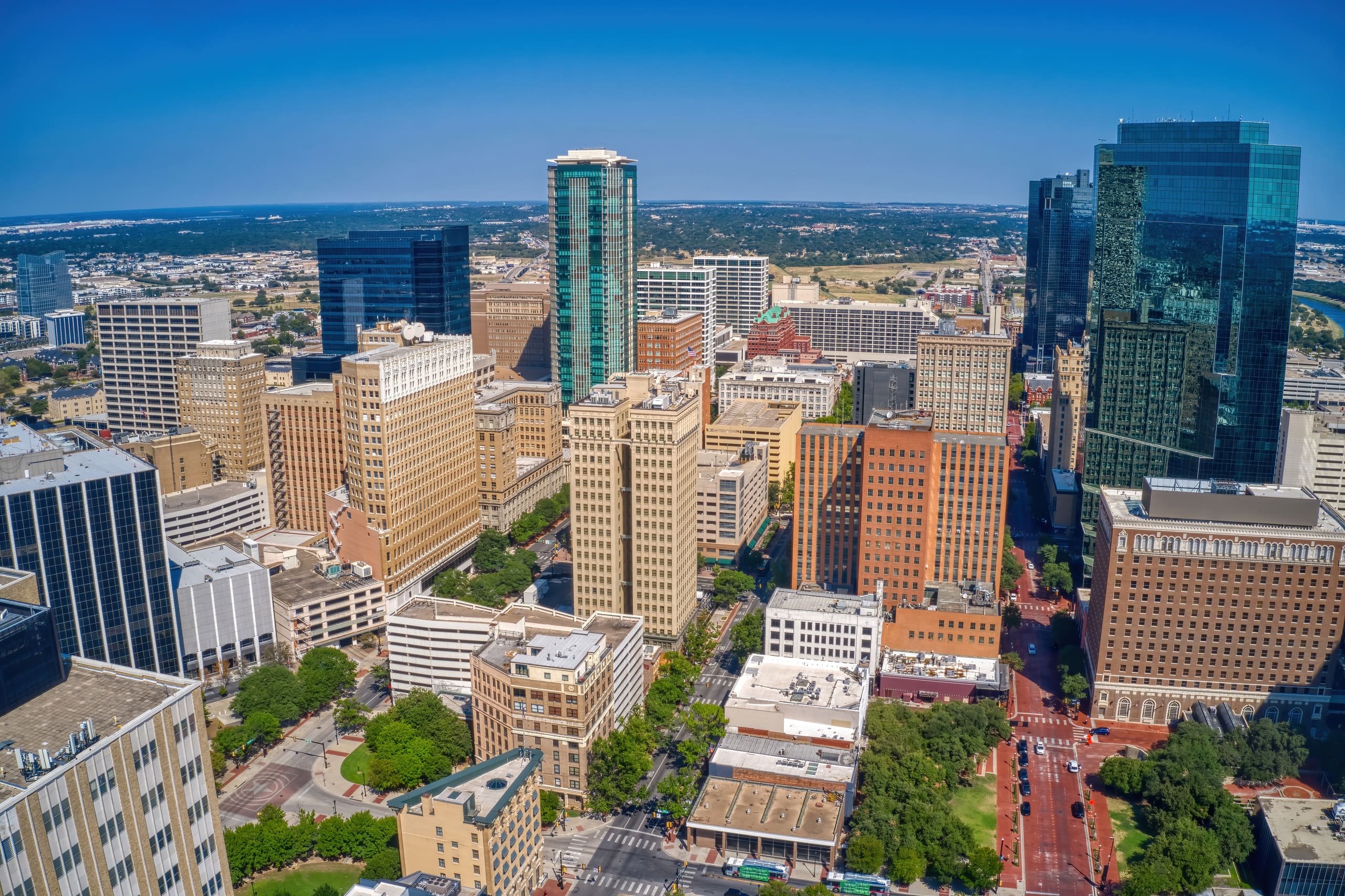
Location is one of the strongest practical arguments for both Berkeley Place and Park Hill. Downtown Fort Worth is roughly three miles north, TCU is about a mile away, and the Near Southside, medical district, and Cultural District are all close at hand.
That centrality is particularly appealing because neither neighborhood feels urban in the traditional sense. You can live beneath mature trees in a century-old house and still reach many of Fort Worth's major employment, cultural, and educational centers within minutes.
Schools
Schools Serving Berkeley Place and Park Hill
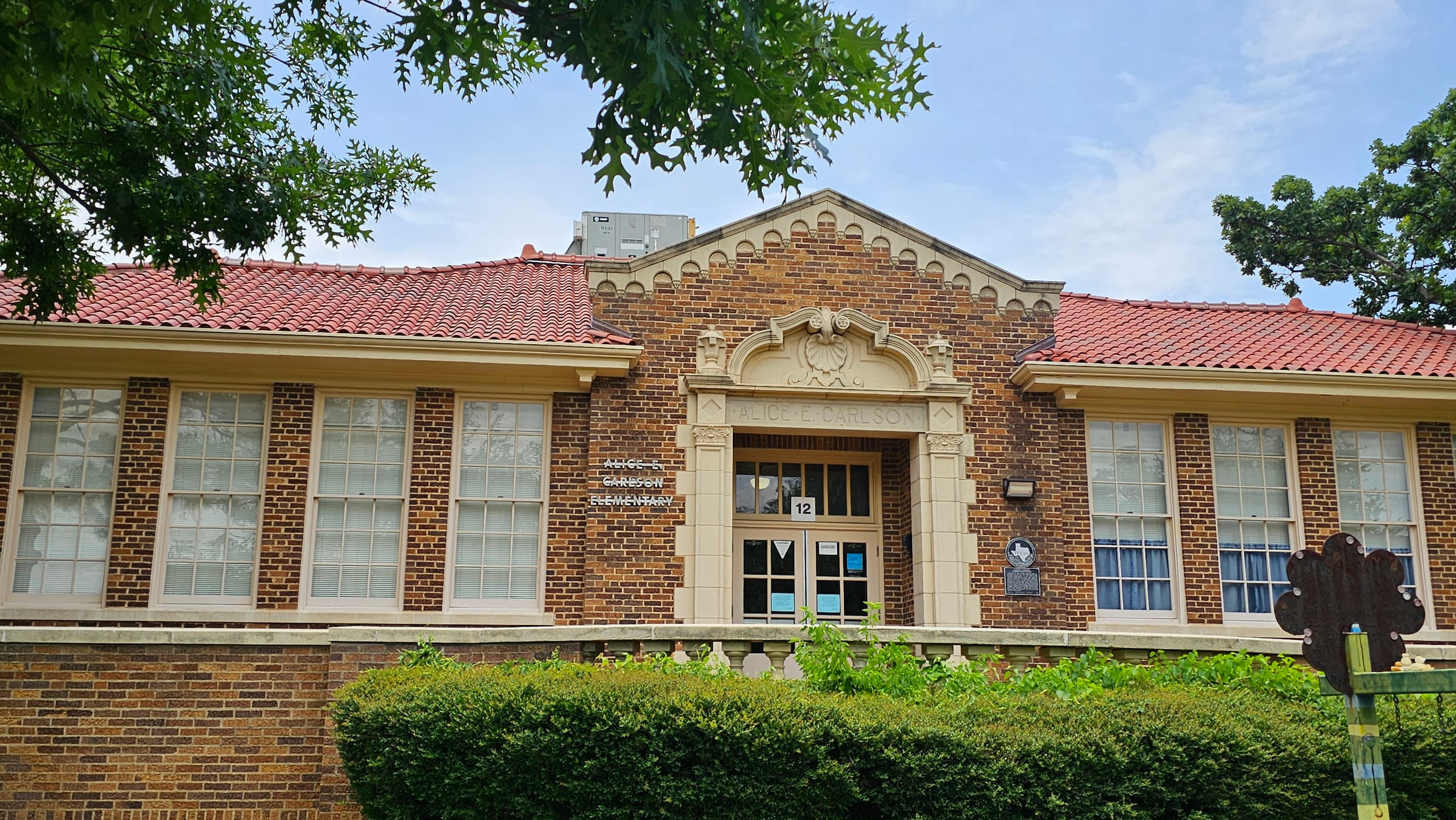
Schools have been woven into the history of these neighborhoods almost from the beginning.

Lily B. Clayton Elementary
Lily B. Clayton Elementary opened on Park Place Avenue in 1922 as Mistletoe Heights Elementary, beginning as a four-room schoolhouse with 79 students and three teachers. An expansion in 1934 was designed specifically with children in mind: bas-relief plaques and interior tiles depict nursery rhymes, and the kindergarten room still retains its original fishpond.
The school and the surrounding neighborhood have now passed their centenaries together, making Lily B. Clayton as much a piece of Berkeley Place history as many of the houses surrounding it.

McLean and the Paschal Pyramid
Berkeley Place is traditionally served by Lily B. Clayton Elementary, followed by McLean and R. L. Paschal High School. Park Hill addresses generally follow the same Paschal pyramid, although school assignments should always be confirmed for the individual property.
Paschal has its own long Fort Worth history. Its roots extend to Fort Worth's first public high school in the nineteenth century, and the school moved to its present Forest Park Boulevard campus in 1955. Its location between these neighborhoods makes it another institution that has become part of the landscape of this corner of Fort Worth.
Changes at Fort Worth ISD
Fort Worth ISD is currently undergoing significant changes, including state intervention and district-wide campus planning. School boundaries, programs, and campuses can change, so I recommend confirming current assignments directly with Fort Worth ISD and reviewing Texas Education Agency information for any property under consideration.
At a Glance
Berkeley Place and Park Hill at a Glance

Near South Side
Location
Fort Worth's near south side, about three miles south of downtown and a mile from TCU, on either side of Forest Park and the Fort Worth Zoo. Berkeley Place lies east of the park; Park Hill rises along the bluff to the southwest

76110 + 76109
ZIP Codes
Berkeley Place 76110; Park Hill 76109

1920s
Established
Berkeley Place developed primarily during the early 1920s on land that included the last working farm within the Fort Worth city limits. Park Hill was platted by the Fairmount Land Company in 1925, with its first houses following in 1926

Hare & Hare
Planning
Park Hill was designed with Hare & Hare of Kansas City as planning consultants, with the streets following the natural contours of the bluff rather than a traditional grid

Period revival
Architecture
Berkeley Place offers an eclectic mix of Craftsman, Tudor, Mediterranean, and other period-revival architecture, ranging from cottages to substantial two-story homes. Park Hill is more formally planned, with Tudor, Spanish Colonial Revival, and other period architecture particularly well represented along its estate streets.

5 landmarks
Landmarks
The Forest Park stone gates; the Rogers farmhouse on Warner Road; Joseph Pelich's Westbrook House; Lily B. Clayton Elementary; and the Winton Terrace site of the Fort Worth Free Baby Hospital, one of the institutional predecessors of today's Cook Children's

Forest Park
Parks and Trails
Forest Park, Forest Park Pool, the Fort Worth Zoo, Berkeley Park, and access to the Trinity Trails

3 campuses
Schools
Fort Worth ISD, traditionally including Lily B. Clayton Elementary, McLean and R. L. Paschal High School. Always confirm current assignments by property address

7 areas nearby
Nearby
Mistletoe Heights, Ryan Place, Fairmount, University Place, the Near Southside, Magnolia Avenue, and TCU

1920s to estates
Real Estate
Housing ranges from smaller 1920s cottages to architecturally significant estate properties. Street, lot, architecture, condition, and quality of renovation can matter considerably more than a neighborhood-wide median when determining value.
School attendance boundaries are subject to change and should be verified directly with Fort Worth ISD for a specific property. Texas is a non-disclosure state, so actual residential sale prices are not public record.
In Pictures
Berkeley Place and Park Hill
Related Reading



Questions
Frequently Asked Questions About Berkeley Place and Park Hill
Where are Berkeley Place and Park Hill in Fort Worth?
How much do homes cost in Berkeley Place and Park Hill?
What architectural styles are found in Berkeley Place and Park Hill?
What schools serve Berkeley Place and Park Hill?
What is Park Hill's connection to Cook Children's?
Who planned Park Hill?
What should I check when buying a 1920s house here?
Can I renovate a historic house in Berkeley Place or Park Hill?
Who should I call about buying or selling in Berkeley Place or Park Hill?
Berkeley Place and Park Hill sit about three miles south of downtown Fort Worth, on either side of Forest Park and the Fort Worth Zoo, and approximately a mile from TCU. Berkeley Place lies east of Forest Park, while Park Hill rises along the bluff to the southwest. Both are centrally located near the Near Southside, medical district, Cultural District, and Trinity Trails.
There is no particularly useful neighborhood-wide answer. Berkeley Place includes everything from smaller 1920s cottages to substantial homes on larger lots, while Park Hill ranges from smaller properties to significant estates along Medford Court, Winton Terrace, and Lofton Terrace. In both neighborhoods, street, lot, architecture, condition, and quality of renovation can matter as much as square footage. Texas is also a non-disclosure state, so residential sale prices are not public record. I would rather value a house against genuinely comparable properties than rely on a neighborhood-wide median.
Berkeley Place is particularly eclectic, with Craftsman, Tudor, Mediterranean, and other period-revival homes ranging from modest cottages to substantial two-story houses. Park Hill takes on a grander scale along its estate streets, where Tudor, Early English, Spanish Colonial Revival, and other period architecture is well represented. Both neighborhoods were largely developed during the 1920s and 1930s, and much of that architectural history remains visible today.
Berkeley Place is traditionally served by Lily B. Clayton Elementary, followed by McLean and R. L. Paschal High School. Park Hill addresses generally follow the same Paschal pyramid, although assignments should always be confirmed for a specific property. Lily B. Clayton has been part of the neighborhood since 1922, when it opened as a four-room schoolhouse. Paschal's history reaches even further back, with roots in Fort Worth's first public high school. Fort Worth ISD is currently undergoing district-wide changes, so current attendance boundaries and programs should be verified directly with the district.
One of the two institutional histories that eventually became today's Cook Children's began on Winton Terrace. The Fort Worth Free Baby Hospital opened there in 1918 with 30 beds and a mission to care for young children regardless of their families' ability to pay. It later became Fort Worth Children's Hospital. Fort Worth Children's Hospital remained a separate institution until 1985, when it merged with Cook Children's Hospital, whose own history began with W. I. Cook Memorial Hospital. One branch of today's Cook Children's story therefore began in Park Hill several years before the neighborhood itself was formally platted.
The Fairmount Land Company platted Park Hill in 1925 and engaged Hare & Hare of Kansas City as design consultants. Rather than imposing a conventional street grid, the plan followed the contours of the bluff, creating the curving streets that still distinguish Park Hill today. That landscape planning is an important part of the neighborhood's character. The streets, lots, mature trees, and houses were conceived in relationship to one another rather than as separate pieces.
Start with stewardship rather than age. Older electrical systems, cast-iron or clay sewer lines, original windows, plaster, tile or slate roofs, pier-and-beam foundations, drainage, and previous foundation work can all deserve closer attention. Depending on the house, I may recommend going beyond a standard inspection with a sewer scope, structural evaluation, or specialized roof assessment. I also encourage buyers to investigate insurance early, since roof age, materials, and older systems can affect coverage and cost. Just as important is understanding what previous owners have changed and what they had the good sense to leave alone.
In many cases, yes, but historic significance and legal designation are not the same thing. Before buying a property with plans to replace windows, alter a roofline, add square footage, or modify a rear structure, confirm whether the individual property is subject to a City of Fort Worth historic designation or other applicable restrictions. With a century-old house, I would rather you understand exactly what you are buying and which changes are permitted before you fall completely in love.
Susanna Gorski Bartolomei is a fifth-generation Fort Worth native and Broker Associate with Compass who has worked in Fort Worth real estate since 2012. Her practice focuses on architecturally significant homes, historic properties, and thoughtful representation. She studied History of Art and Architecture at Middlebury College and holds a master's degree in the History of Art from The University of Texas at Austin. She serves on the boards of the Modern Art Museum of Fort Worth, The Cliburn, Lena Pope, and Texas Ballet Theater and is ranked by RealTrends among the top 1.5 percent of real estate professionals nationwide. That background matters in neighborhoods where architecture, provenance, original materials, and the quality of a renovation can materially affect value. Understanding the comparables is important. Understanding the house itself is just as important. Call (817) 602-5465 or email sgb@compass.com.
Let's Talk About Berkeley Place and Park Hill
Susanna Gorski Bartolomei is a fifth-generation Fort Worth native and Broker Associate with Compass, who has guided buyers and sellers through Fort Worth real estate since 2012. She studied History of Art and Architecture at Middlebury College and holds a master's degree in the History of Art from The University of Texas at Austin. She serves on the boards of the Modern Art Museum of Fort Worth, The Cliburn, Lena Pope, and Texas Ballet Theater and is ranked by RealTrends among the top 1.5 percent of real estate professionals nationwide.
That background matters in neighborhoods like Berkeley Place and Park Hill. When the housing stock is a century old, architectural integrity, proportion, original materials, thoughtful additions, and the quality of a renovation all influence value. Two houses with similar square footage can tell very different stories and command very different prices.
Understanding those differences requires more than running the comparables. It requires understanding the house itself.
It would be my honor to be your guide throughout Fort Worth, helping you find your place in our vibrant community.
Agent
Susanna Gorski Bartolomei
Title
Broker Associate, Compass Real Estate
Phone
(817) 602-5465Office
5049 Edwards Ranch Road, Suite 200, Fort Worth, TX 76109
Hours
Monday to Friday, 9:00 am to 5:00 pm. Saturday and Sunday by appointment
Languages
English and French
Website
SusannaFortWorth.com
TREC License
0619175