By Susanna Bartolomei, Broker Associate, Compass Real Estate
A historic home offers details that are difficult to reproduce. Original woodwork, thoughtfully proportioned rooms, deep porches, and the relationship between a house and its street can make these properties especially compelling. For buyers exploring historic homes for sale in Fort Worth, neighborhoods such as Fairmount, Ryan Place, and Mistletoe Heights offer different expressions of that architectural history.
Buying one also means understanding what you are taking on. Age, maintenance, previous renovations, and historic designation all deserve attention. An older house is not automatically a designated landmark, and different designations come with different requirements. Knowing what applies to the specific property helps you plan improvements with realistic expectations.
As a fifth-generation Fort Worth native and Broker Associate with a background in art and architectural history, I have a particular affection for these homes. I appreciate the craftsmanship and stories, but I also want buyers to understand the condition, costs, and flexibility that come with ownership. This guide explores three of Fort Worth's historic neighborhoods, explains the distinctions between historic designations, and outlines what to investigate before making a home part of your own story.
Quick Facts About Historic Homes in Fort Worth
- Neighborhoods to explore: Fairmount, Ryan Place, and Mistletoe Heights offer early 20th-century homes with distinct architectural character and neighborhood settings.
- Architectural variety: Craftsman bungalows, foursquares, and period revival residences offer different layouts, scales, and restoration opportunities.
- Historic status: An older home is not automatically a designated historic property. National Register recognition and local historic designation have different implications for ownership.
- Exterior improvements: Locally designated properties may require a Certificate of Appropriateness before exterior work begins. Confirm the requirements for your project with the City's preservation staff.
- Boundaries matter: Historic district boundaries do not necessarily match neighborhood boundaries. Elizabeth Boulevard's designation, for example, does not mean every home in Ryan Place has the same protections or requirements.
- Ownership costs: Budget for the home's condition, previous renovations, insurance, and ongoing maintenance. Qualifying rehabilitation projects may also be eligible for historic property tax incentives.
- Before buying: Verify the property's designation, review available permits and preservation approvals, and discuss planned improvements before assuming they are possible.
National Register vs Local Historic Designation
"Historic" can describe a home's age, its architectural significance, or a formal designation. Those distinctions matter when you are planning changes.
Listing on the National Register of Historic Places recognizes historical or architectural significance. For a privately owned home, that listing alone generally does not restrict alterations made with private funds, although other regulations or preservation agreements may apply.
Local historic designation has a more direct role in renovation plans. Fort Worth's historic overlays provide for review of exterior changes under applicable preservation standards and district guidelines. A home can have both national and local recognition, so finding it on the National Register does not tell you the full story.
Before buying, confirm the specific address's local designation and discuss your plans with the City's preservation staff. That early conversation can help establish what is possible, which approvals are needed, and how to preserve the details that drew you to the house in the first place.
The Certificate of Appropriateness in Practice
A Certificate of Appropriateness, often called a COA, is the City's approval for proposed work on a locally designated historic property. Depending on the project, you may need it in addition to a building permit. Check before ordering materials or scheduling contractors, since some exterior changes require review even when a building permit is not needed.
The scope of the work determines the review process. Some requests can be handled by preservation staff, while others require consideration by the Historic and Cultural Landmarks Commission. Interior renovations are generally outside historic design review, although building permits and other requirements may still apply.
Before buying, ask for available records of past exterior approvals, particularly for additions, replacement windows, porches, and other substantial changes. For future projects, bring your ideas to preservation staff early. A thoughtful addition or renovation can make a historic house work beautifully for modern life while respecting the architecture that makes it special.
Historic District Boundaries Matter
A neighborhood name does not tell you whether a home falls within a historic district. Designation follows mapped boundaries, and nearby properties can have different requirements.
In Ryan Place, for example, Elizabeth Boulevard has its own historic district designation. That does not automatically extend to every house in the wider neighborhood. A property outside the district may still have an individual designation or recorded deed restrictions that affect your plans.
Before buying, confirm the address's status with the City's preservation staff and review the title documents for restrictions or preservation easements. If you envision an addition, replacement windows, or another exterior change, discuss it early. Knowing which requirements apply helps you choose a home that suits both your appreciation for history and your plans for its future.
Fairmount
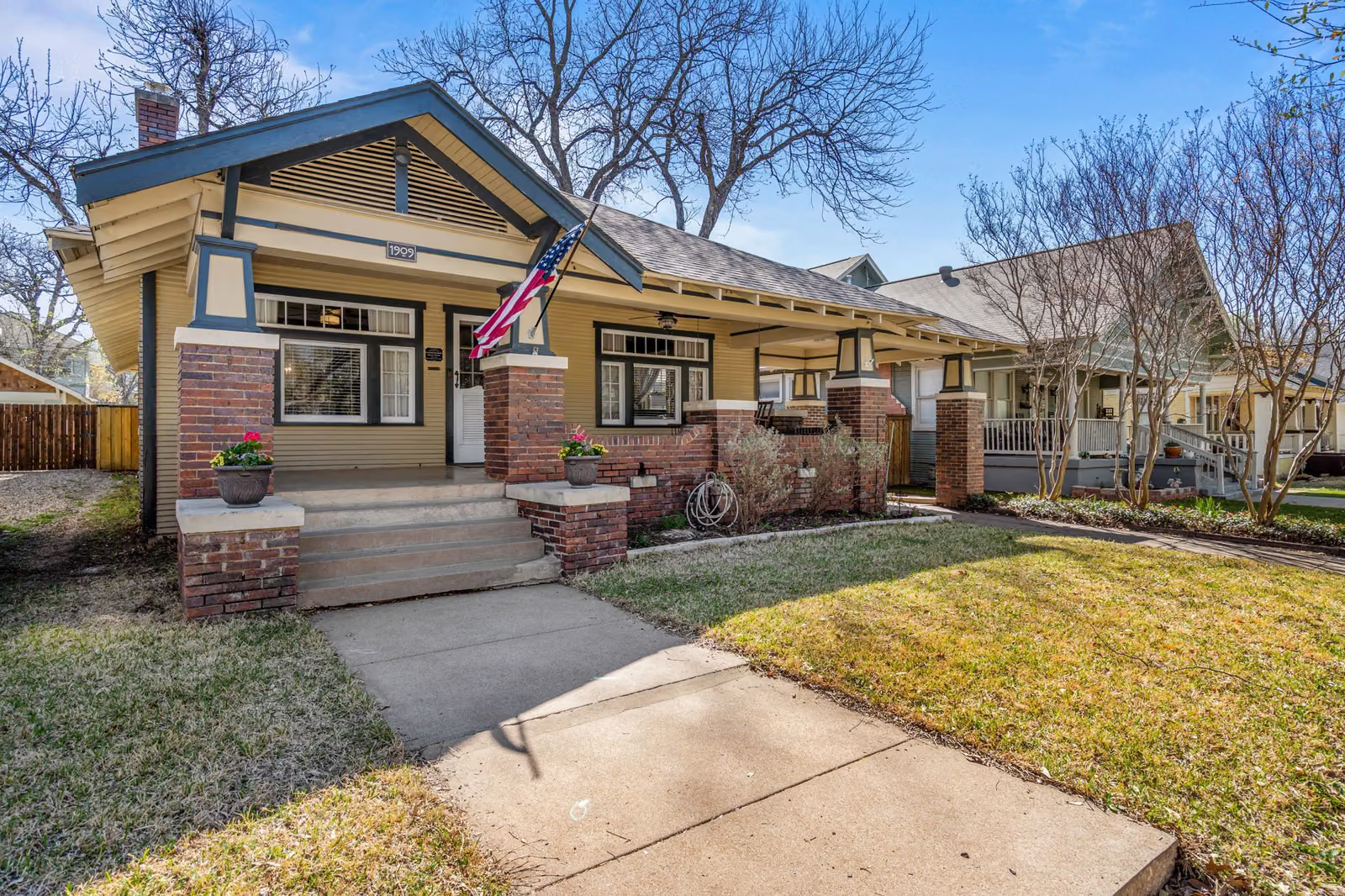
Fairmount's appeal begins at the porch. Craftsman bungalows and early 20th-century cottages line streets where front steps, gardens, and architectural details are part of the neighborhood experience. The nearby Magnolia Avenue corridor adds restaurants, coffee shops, and independent businesses within walking distance of many homes.
For buyers drawn to craftsmanship, there is plenty to appreciate. Broad roof overhangs, substantial porch columns, original woodwork, and thoughtfully arranged windows give individual houses their personality. Condition and surviving details vary, so a closer look can reveal meaningful differences between homes that appear similar in photographs.
Fairmount has both local historic designation and National Register recognition. Its preservation guidelines help protect the streetscape that attracts buyers in the first place, while providing a framework for exterior improvements.
The right home here might be a carefully restored bungalow or a property ready for thoughtful rehabilitation. Either way, understanding what is original, what has changed, and how the house has been maintained is part of appreciating what you are buying.
Ryan Place and Elizabeth Boulevard
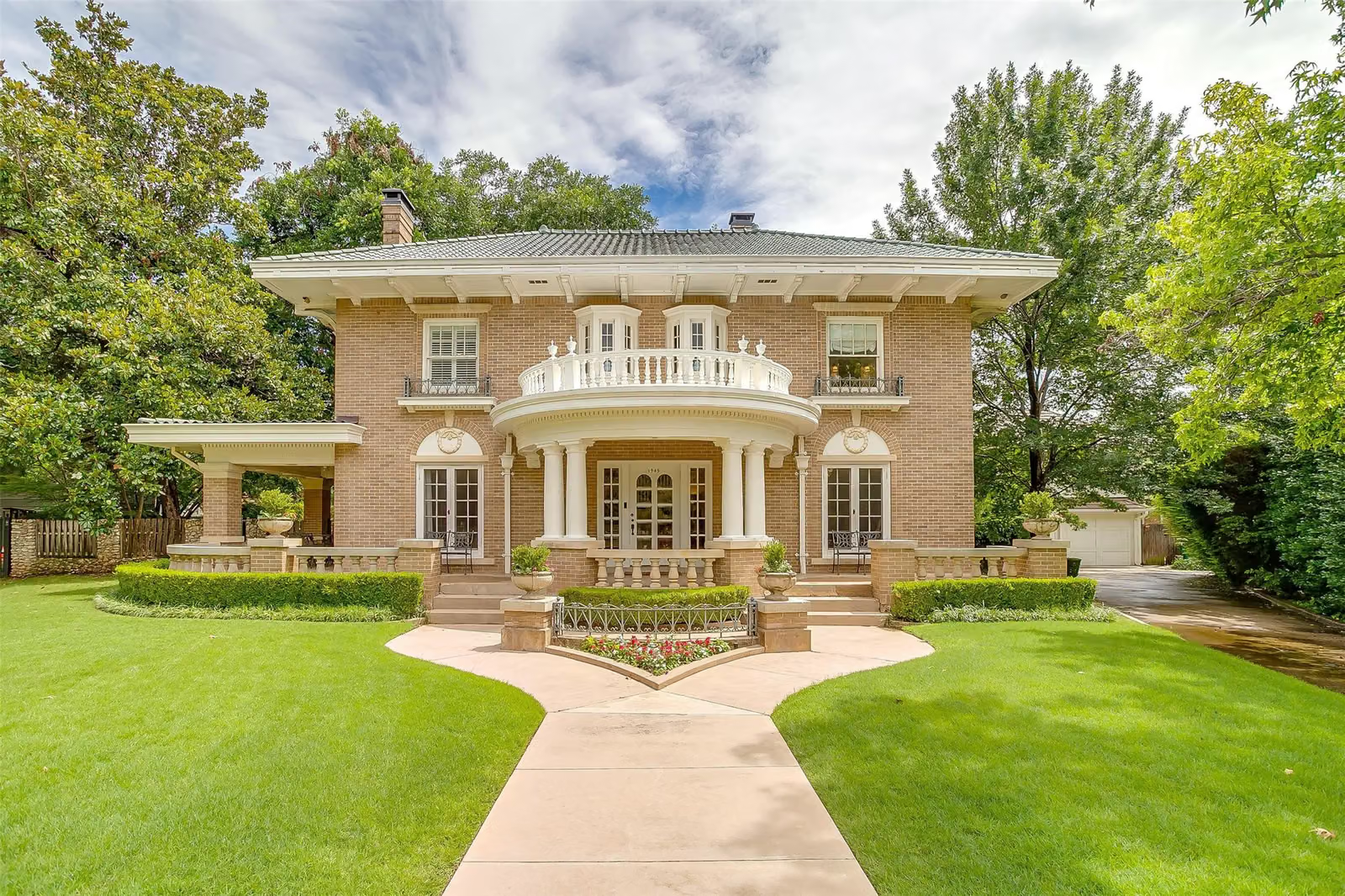
Ryan Place began in 1911 with developer John C. Ryan's vision for a residential neighborhood south of downtown. Elizabeth Boulevard, named for his wife, became its grand centerpiece. Substantial homes in Colonial Revival, Prairie, and Mission Revival styles reflect the ambition behind those early plans.
Today, the boulevard offers one expression of Ryan Place, while surrounding streets provide a broader range of houses, from smaller cottages and bungalows to larger residences. Buyers can appreciate the neighborhood's architectural history at different scales, with convenient access to Magnolia Avenue, the Medical District, and TCU.
Elizabeth Boulevard has both local historic designation and National Register recognition, but those boundaries do not encompass all of Ryan Place. When considering a home, distinguish the boulevard's requirements from any individual designation or deed restrictions affecting the specific property.
For me, part of Ryan Place's appeal is that variety. A grand boulevard home and a modest cottage tell different chapters of the neighborhood's story, and both deserve thoughtful attention to their architecture, condition, and potential.
Mistletoe Heights
Mistletoe Heights offers historic architecture in a setting shaped by mature trees, changing elevations, and proximity to the Trinity River. Its streets include bungalows, foursquares, and period revival homes, with front porches and established gardens contributing to the neighborhood's character.
The landscape gives individual properties different experiences. A shaded garden, an elevated porch, or a view through the trees can be as memorable as the house itself. Lot contours and the placement of neighboring homes deserve attention alongside room sizes and interior finishes.
The neighborhood also puts residents close to the Medical District, the Fort Worth Zoo, and the dining and activity of the Near Southside. That combination of a residential setting and access to central Fort Worth is an important part of its appeal.
Mistletoe Heights has a local historic district with its own preservation guidelines. For buyers, the opportunity is to find a home whose architecture and surroundings suit their lives, while understanding how those guidelines inform future exterior changes.
What Owning a Historic Home Costs
Original craftsmanship is part of the appeal, but a beautiful staircase will not tell you when the plumbing was replaced. Start with the condition of the house, including its foundation, roof, electrical systems, drainage, and previous renovations. Thorough inspections and estimates from contractors experienced with older homes help turn a vague renovation allowance into a workable budget.
Preservation requirements can also affect materials, methods, and timing. Repairing original windows or matching historic exterior details may call for specialized work. Before assuming replacement is the simplest option, explore what can be repaired and obtain estimates for the appropriate approach.
Get insurance quotes early, especially if the home has older systems or distinctive features that could be costly to reproduce. Include ongoing maintenance in your budget, even when the house has been extensively renovated.
Qualifying rehabilitation projects may be eligible for Fort Worth's Historic Site Tax Exemption program. Discuss eligibility and application timing with the City's preservation staff before beginning work. An incentive can be helpful, but it should support a sound renovation plan rather than make the budget depend on an assumed tax benefit.
For property taxes, the homestead exemption, and the rest of the ownership budget, see our guide to the true cost of owning a home in Fort Worth.
Schools Serving These Neighborhoods
Fairmount, Ryan Place, and Mistletoe Heights are served by Fort Worth Independent School District, but they do not all share the same school assignments. Elementary and middle school attendance can differ by address, so confirm the complete progression through FWISD's School Site Locator.
If schools are part of your purchasing decision, check the address early rather than relying on a listing description or assuming nearby homes attend the same campuses. The district also offers Gold Seal Programs and Schools of Choice, with separate application requirements, deadlines, and admission procedures.
Is a Historic District Right for You?
If original architecture and a cohesive streetscape are part of what draws you to a neighborhood, historic designation can be an asset. The review process helps preserve the porches, proportions, materials, and other details that give these streets their identity.
Ownership still allows room for change. Historic homes can accommodate updated kitchens, renovated baths, and thoughtfully designed additions. The important question is whether your plans work with the house and the requirements attached to it.
If your vision involves substantial exterior changes, explore their feasibility before buying. If you would rather maintain and adapt what is already there, look for a home whose existing layout and character suit you. The best match is a house you appreciate now, with a realistic path toward the changes you want to make.
Working With a Local Agent
A historic home deserves an agent who can appreciate the original woodwork and ask what is happening beneath the floorboards. My background in art and architectural history informs how I evaluate these properties, while my experience in Fort Worth helps put their condition, location, and pricing into context.
For buyers, I help identify the questions worth asking about past renovations, preservation requirements, and potential improvements. For sellers, I bring that same attention to presenting the home's history and architectural character, supported by relevant comparable sales and knowledge of private market activity.
If you are considering buying or selling a historic home in Fort Worth, schedule a consultation. I would love to help you write its next chapter.