By Susanna Bartolomei, Broker Associate, Compass Real Estate
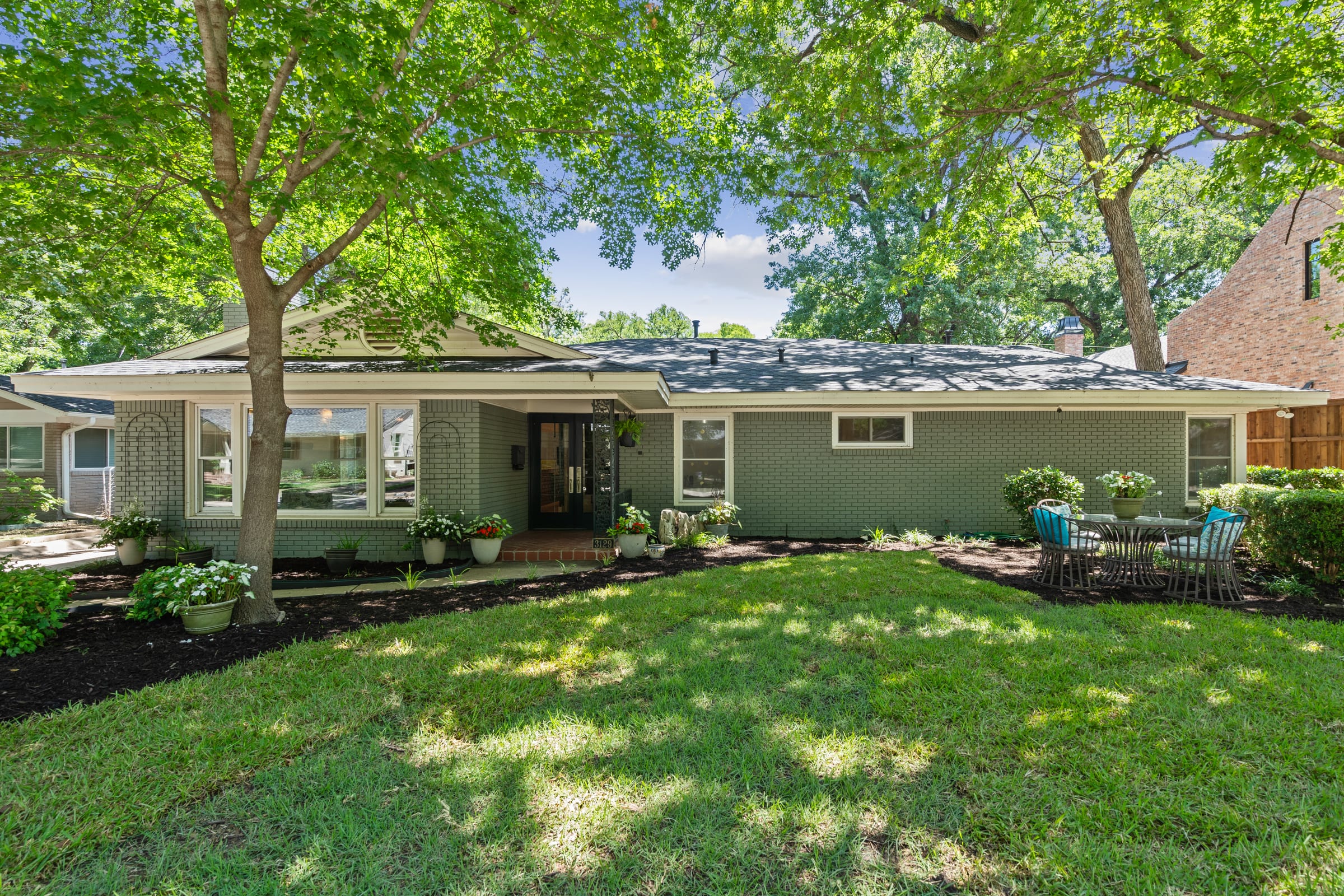
In Tanglewood, the park is part of the daily routine. A walk with the dog, an afternoon at the playground, or a bike ride toward the Trinity Trails can begin close to home. Mature trees, established gardens, and houses from different chapters of Fort Worth's growth give the neighborhood a character that extends well beyond its listings.
Schools are another important part of the draw. Tanglewood Elementary and Overton Park Elementary bring buyers to this part of Fort Worth, while proximity to TCU, University Park Village, and Clearfork keeps shopping, dining, and activities conveniently close. The experience varies by address, but the combination of outdoor space and everyday convenience helps explain the neighborhood's appeal.
Tanglewood's beginnings also deserve a closer look. Developed from Edwards family ranch land in the mid-1950s, it belongs to a larger story of how southwest Fort Worth grew. Original ranch-style homes now share the streets with renovated residences and newer custom construction, reflecting how the neighborhood continues to evolve.
As a fifth-generation Fort Worth native and Broker Associate with a background in art and architectural history, I appreciate both that history and the practical details of living here. This guide explores Tanglewood's setting, neighboring communities, schools, and daily life to help you picture what calling it home could mean.
Quick Facts About Living in Tanglewood
- Setting: An established southwest Fort Worth neighborhood near the Clear Fork of the Trinity River, with mature trees, gardens, and access to parks and trails.
- Daily recreation: Overton Park and the Trinity Trails provide places to walk, run, cycle, and spend time outdoors.
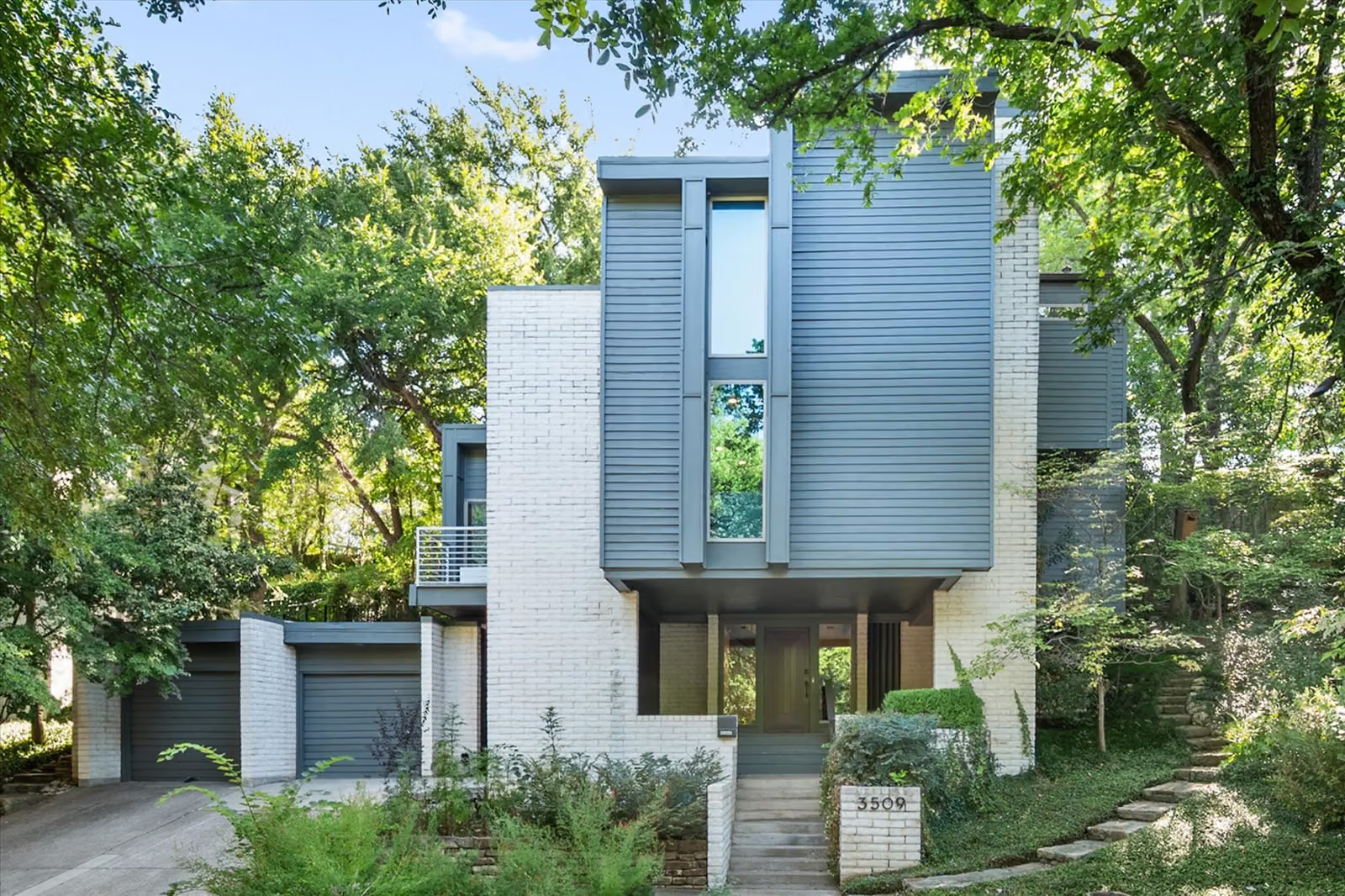
- Homes: Original ranch-style and mid-century residences share the neighborhood with expanded homes, extensive renovations, and newer custom construction.
- Schools: Tanglewood Elementary and Overton Park Elementary are important draws in the surrounding area. Both belong to the Paschal pyramid, with McLean Sixth Grade Center and McLean Middle School along the way. Confirm assignments by address.
- Nearby destinations: TCU, University Park Village, the Trailhead at Clearfork, and the Shops at Clearfork offer activities, shopping, and dining close to home.
- Getting around: Walking and cycling can be part of daily life, while most shopping trips and commutes involve a car.
- Neighborhood distinctions: Tanglewood, Overton Park, Riverhills, Stonegate, and Westbriar have their own identities and property considerations. A broad listing description does not tell the whole story.
The Edwards Ranch Story
Tanglewood's history begins with the Edwards Ranch, where land remained in the same family for generations before becoming part of Fort Worth's residential growth. In the mid-1950s, Cass Edwards II and Cassco Land Company began developing portions of the ranch into neighborhoods, including Tanglewood and Overton Park.
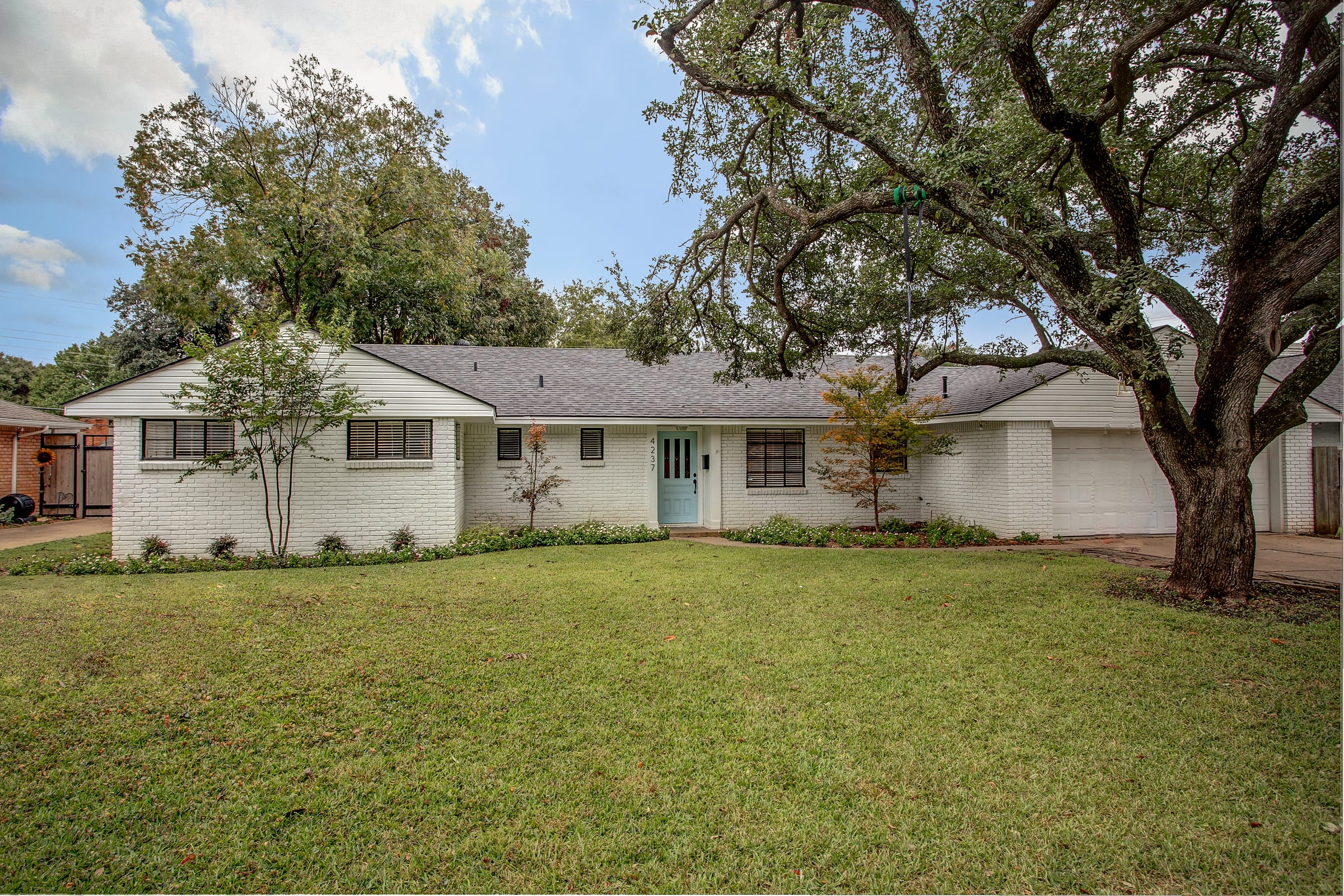
The early homes reflected the way people wanted to live after World War II. Ranch-style and mid-century designs emphasized single-story layouts, connections to outdoor space, and room for gardens and everyday recreation. Many of those houses remain, although additions, renovations, and newer construction have changed the streets over time.
The Edwards family connection extends to Tanglewood Elementary, which opened in 1960. The school recounts the story of Cass Edwards providing its land for one dollar, with the understanding that the site would become a public school. It is a memorable example of how the neighborhood and its community institutions grew together.
Fort Worth Country Day opened nearby in 1963, and the area's ranching past remained visible for decades afterward. I remember seeing cows from the school's soccer field before Riverhills was built. For all the changes in southwest Fort Worth, its ranch-land beginnings are hardly ancient history.
Later development of Edwards Ranch land included Riverhills and Clearfork. For residents today, that creates a connection between the established neighborhood, nearby newer homes, and the places they visit for shopping, dining, and time along the river. Tanglewood is one chapter in a much larger Fort Worth story.
Tanglewood, Overton Park, and Riverhills
People often use "Tanglewood" loosely when describing this part of Fort Worth, but the surrounding neighborhoods have distinct identities. Exploring them together makes sense. Treating them as interchangeable can leave you overlooking details that matter.
Tanglewood and Overton Park share an established residential character, with ranch-style homes, mature landscaping, and later renovations and construction. Overton Park is also the name of the green corridor, so a reference to living "near Overton Park" may describe proximity to the park rather than a particular subdivision.
Riverhills represents a later chapter of Edwards Ranch development, with newer homes and a more structured approach to architectural design. Its design review requirements deserve attention if you are considering building or making exterior changes. Nearby Stonegate and Westbriar offer gated settings with their own association requirements.
These distinctions affect more than the mailing address. They influence the streetscape, maintenance responsibilities, and flexibility to change a home over time. School attendance boundaries are another separate consideration. As you explore, pay attention to the specific community and address rather than relying on the broad neighborhood label attached to a listing.
Tanglewood Homes and How They Live
Tanglewood's original ranch-style and mid-century homes offer a particular appeal. Many have single-story layouts, generous windows, and living spaces connected to the yard. Depending on the house, that can mean a garden visible from the kitchen, a shaded patio off the living room, or outdoor space that becomes an extension of the home.
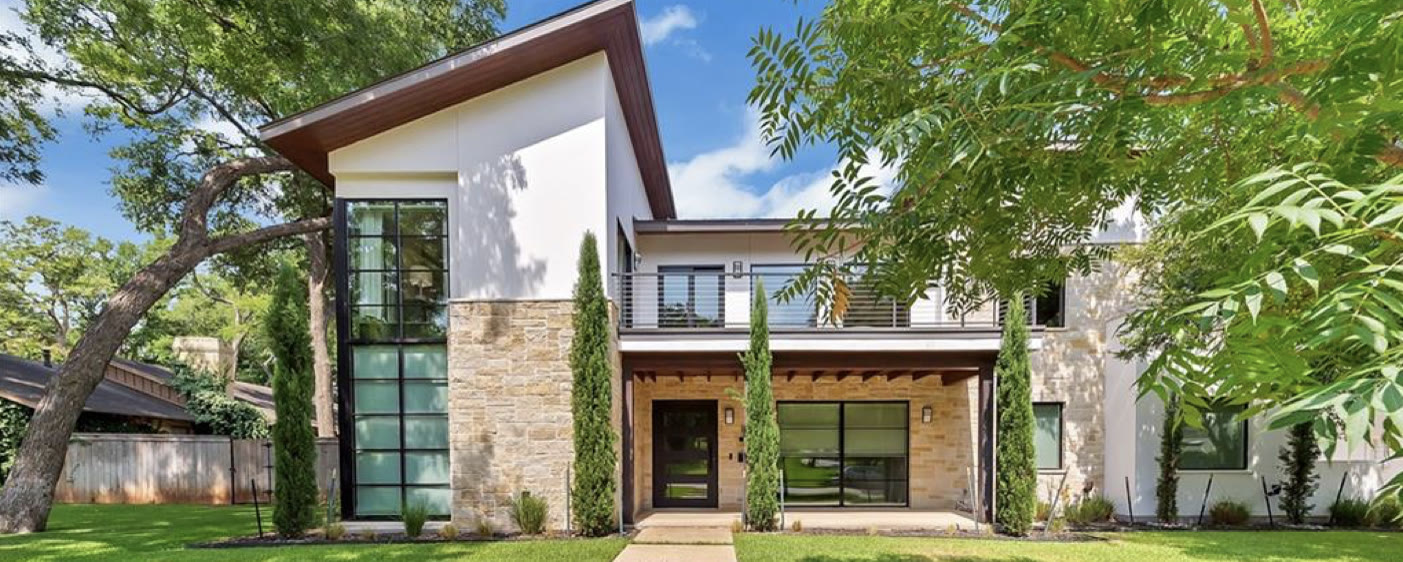
Renovations and additions have adapted those houses to changing needs, while newer custom construction offers another set of choices. Some buyers appreciate defined rooms and original details. Others want an open kitchen, a dedicated office, or additional bedrooms. The neighborhood accommodates different approaches, although no two properties deliver quite the same experience.
When exploring a home, consider how its layout would work on an ordinary day. Where would you have your morning coffee? Is there a comfortable place to work? How much yard would you enjoy maintaining? Those questions can reveal more about the right fit than square footage alone.
Value follows those practical details as well as location, lot size, and condition. For a closer look at pricing, inspections, and private market opportunities, see my Tanglewood buyer guide.
What to Check by Address
Two homes described as "Tanglewood" can come with different school assignments and different site considerations. Before settling on a property, confirm its complete school assignment through FWISD's School Site Locator. Tanglewood Elementary and Overton Park Elementary are both important parts of this area, but the listing's neighborhood label does not determine attendance.
The nearby creek and river also make drainage worth understanding. Review flood maps, seller disclosures, and any available history of water intrusion or drainage improvements. An inspection and an early conversation with your insurance provider can help clarify the property's condition and coverage options.
These checks help you understand the home you are choosing, so you can enjoy the setting with fewer surprises.
Daily Life Near the Park and the River
Overton Park gives the neighborhood a place to stretch out beyond the backyard. A morning walk, an after-school playground stop, or a few minutes outside between obligations can become part of the day. Along the river, the Trinity Trails offer longer routes for running, walking, and cycling.
The Trailhead at Clearfork makes it easy to combine time outdoors with a meal or coffee at Press Cafe. That connection between recreation and a place to linger is part of the appeal. A walk does not have to be a workout, and breakfast does not have to mean getting straight back into the car.
For shopping and dining, the Shops at Clearfork and University Park Village offer different options nearby. TCU brings games, performances, and campus activities into the mix, while the Fort Worth Zoo and Cultural District provide destinations for a longer outing.
How much of that becomes part of your routine depends on your address and preferences. Spend time following the paths, visiting nearby destinations, and making the everyday trips you would actually take. Those experiences help you picture living here far better than a map alone.
Taxes, Dues, and Ownership Costs
Living among mature trees and established gardens has its pleasures, along with upkeep worth planning for. Your budget should account for the home's condition, landscaping, insurance, property taxes, and any association dues.
The seller's current tax bill may not reflect what you will pay, and association responsibilities differ between standalone homes and nearby gated communities. Before purchasing, review the costs and restrictions attached to the specific address.
For a fuller explanation of property taxes, homestead exemptions, insurance, and maintenance considerations, see my guide to the true cost of owning a home in Fort Worth.
Is Tanglewood Right for You?
If your ideal week includes time outdoors, neighborhood walks, and easy access to school, shopping, and dining, Tanglewood deserves a closer look. Its appeal is as much about the routines it makes possible as the houses themselves.
You might prefer an original ranch with a garden to tend, or a newer home with room for guests and a dedicated office. Think about how much space you will use, what you want nearby, and how much upkeep you are comfortable taking on. The right fit may be a particular street or home rather than everything carrying the Tanglewood name.
Spend an afternoon exploring beyond a showing. Follow a park path, stop for coffee, and make the drive to places you visit regularly. If you can picture an ordinary Tuesday here, you will have a better sense of whether it feels like home.
Working With a Local Agent
Finding your place in Tanglewood starts with understanding how you want to live, then matching those priorities to the right home and setting. I help buyers look beyond photographs and square footage to consider layout, outdoor space, condition, and the surrounding street.
For sellers, those same details help tell the home's story. My background in art and architectural history informs how I present its character, while market research and knowledge of public and private sales guide pricing and strategy.
If you are considering buying or selling in Tanglewood or the surrounding neighborhoods, schedule a consultation. I would love to put my local knowledge and experience to work for you.